Local ruminants: Reducing reliance on imports
Although the 15 Caribbean Community and Common Market (CARICOM) countries consume over 11 million kg of goat and sheep meat annually, only about 30% is produced locally. Sustainable breeding techniques, strengthening value chains and appropriate livestock policies are all necessary to increase the Caribbean ruminant sector.
By 2050, CARICOM’s population will reach 22 million, which will undoubtedly impact food production and demand. Small ruminants, such as goat and sheep, are an integral part of Caribbean agriculture. Well-suited to the region, they require relatively low capital investment and little land space, meaning they are accessible for resource- poor farmers. There are approximately 2.6 million sheep and 3.5 million goats in CARICOM countries, the majority of which are found on small family farms which use a mixed, integrated crop-livestock farming system.
In light of the small ruminant industry’s year-round potential, FAO is playing an active role in improving the productivity of the sector through the provision of practical training workshops on small ruminant breeding technologies, for example artificial inseminations (AI) in goats. Currently, production of small ruminant’s milk and meat has not kept up with demand. As a result, imports from extra-regional sources and products from Australia and New Zealand account for more than 75% of supply. Obtaining high quality breeding animals is also a challenge for livestock farmers.
To address constraints, FAO is training livestock technicians and farmers in AI skills, techniques and best practices. This has enabled farmers in 10 Caribbean countries to import and utilise frozen semen to improve the genetic stock and diversity of their goat and sheep herds, increasing both production capacity and productivity. In Jamaica and Trinidad, in addition to AI, embryo transfer is also being explored as a breeding tool to rapidly improve the genetic composition of goat and sheep herds.
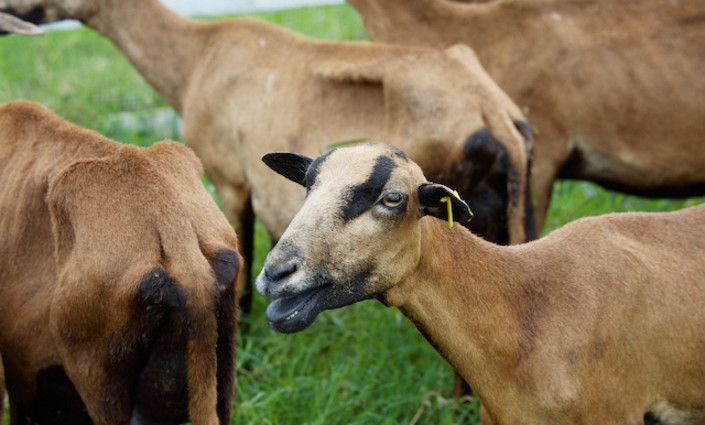
The initiative is also emphasising better management of small ruminant farms, as well as feeding, nutrition and marketing to expand and increase sustainability of the small ruminant sector, reducing CARICOM countries’ reliance on imports. For example, the indigenous Barbados Blackbelly sheep is uniquely positioned to be developed as a premium meat. Low in fat and cholesterol but high in protein, Blackbelly meat is prized for its lean, mild flavour, which has been compared to venison. Like venison, Blackbelly meat can be successfully marketed to restaurants, the tourism sector, and can be developed for export as a gourmet product.
by Jessica Summers
You may also be interested in:
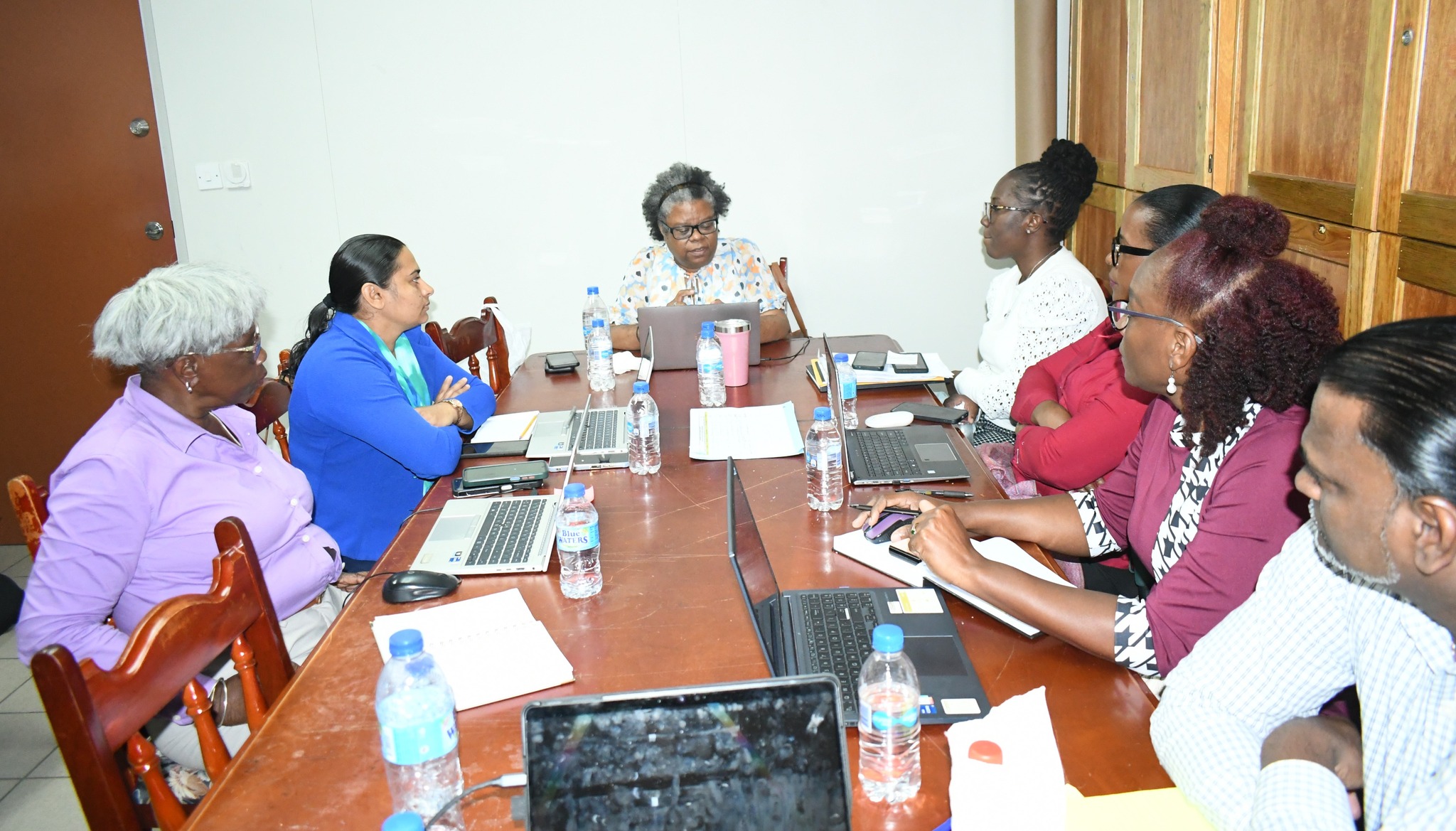
Stakeholders Engage in Consultations to Strengthen National Youth Policy
The Department of Youth Development and Sports, through its Youth Unit, has commenced a four-day series of half-day closed stakeholder consultations aimed at strengthening the development and...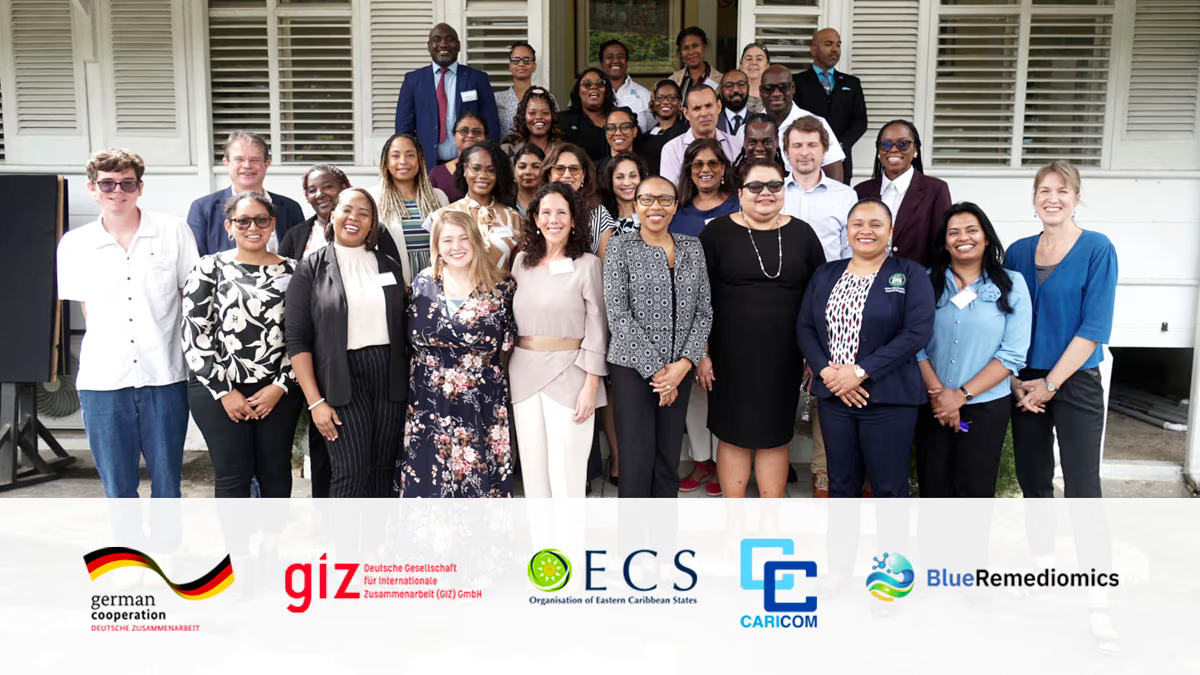
Regional Workshop Strengthens Caribbean Capacity on Genetic Resources
Regional policymakers, scientists, and biodiversity experts gathered from March 3-5, 2026, at The University of the West Indies (UWI), St.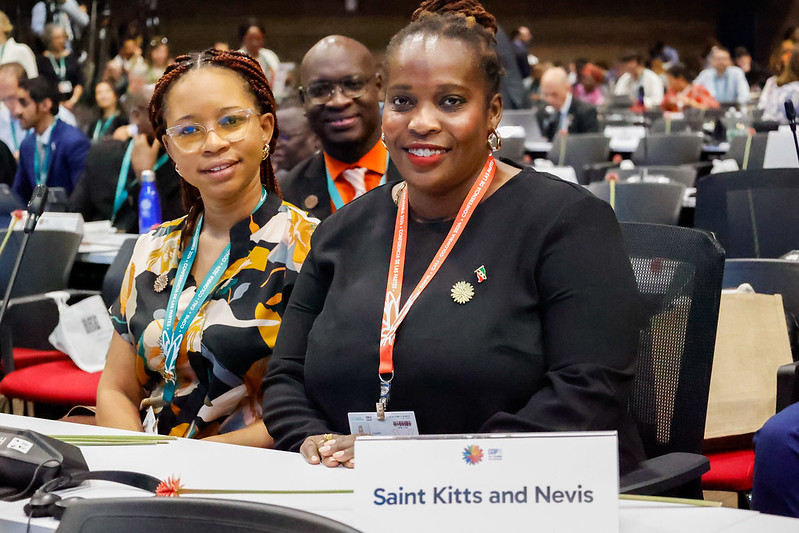
Statement by Hon. Dr. Joyelle Clarke, Minister of Sustainable Development, Environment, Climate Action and Constituency Empowerment of Saint Kitts and Nevis| High-Level Segment, 16th Meeting of the Conference of Parties of the UN Convention on Biological Diversity| Cali, Colombia| 30 October 2024
"The fight for biodiversity cannot be disentangled from the climate crisis. This is why our commitment to the Kunming-Montreal Biodiversity Framework is especially critical and why Saint KittsRelated Stories
Momentum accelerating towards fulfilling Region’s agriculture potential and food security
Raymond is passionate about farming. He is not one to simply plant a seed and expect it to grow, but he gets literally to the root of the science behind its growth.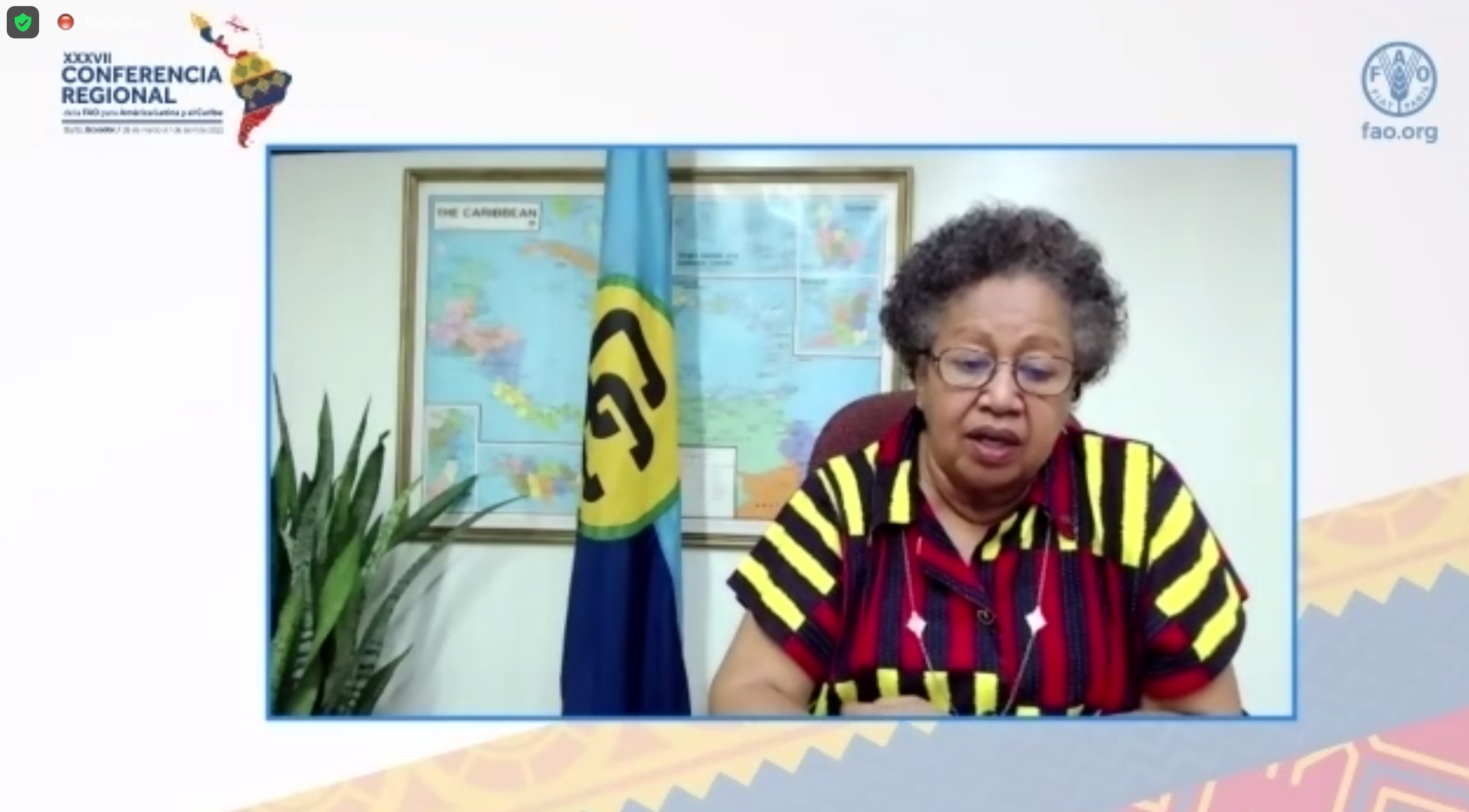
Remarks by CARICOM Secretary-General Dr Carla Barnett at the Meeting of Ministers of Agriculture of the Andean Community (CAN) and the Caribbean Community (CARICOM) being held during the Thirty-Seventh Session of the FAO Regional Conference for Latin America and the Caribbean
Distinguished Chair;Honourable Ministers;Delegates;Ladies and Gentlemen.