In Haiti, UNICEF looks for professionals to ‘nurture transition period’
UNICEF, along with many international organizations, has reduced its staff in Haiti as it transitions from humanitarian response and service delivery to development priorities following the devastating 2010 earthquake.
Now, the U.N. agency is looking to deliver on its goals of improving access to clean water and sanitation facilities and reducing malnutrition in the country, especially in rural areas. To do it, they’ll need to increase the capacity of the Haitian government to successfully provide these services, UNICEF Haiti representative Marc Vincent told Devex.
After an emergency like the one brought on by the magnitude-7.0 earthquake that struck Haiti five years ago, organizations must immediately source talent with experience setting up coordination structures, logistics and planning. And because Haiti is vulnerable to natural disasters, UNICEF will always make sure to have staff on hand for quick delivery surge capacity, but “it would be fair to say we’re looking more toward those with post-emergency development experience who know how to encourage and nurture the transition period,” Vincent said of current needs.
“Someone who can look at data, analyze the evidence, see where bottlenecks are in terms of delivery and who can resolve those bottlenecks …. it’s a lot more longer-term analysis and systems analysis,” Vincent expanded.
Moving beyond a short-term surge to longer-term goals also means mentoring and working with government officials to increase their capacity, he added, especially as the country makes the transition from clusters — like WASH, child protection and education — to government-led working groups.
It’s a case now of working with the government and partners to ensure multisectoral horizontal coordination between ministries as well as strong coordination vertically between the national and communal level.
Success with this process requires people who understand communication and coordination extremely well — but who can also base their actions on reason and research.
“I can’t underline enough the importance of basing decisions on evidence, so that we move forward in a way that is clearly addressing areas we’ve systemically determined need our attention,” Vincent said. “It’s important to have that kind of systematic approach to problem solving.”
You may also be interested in:
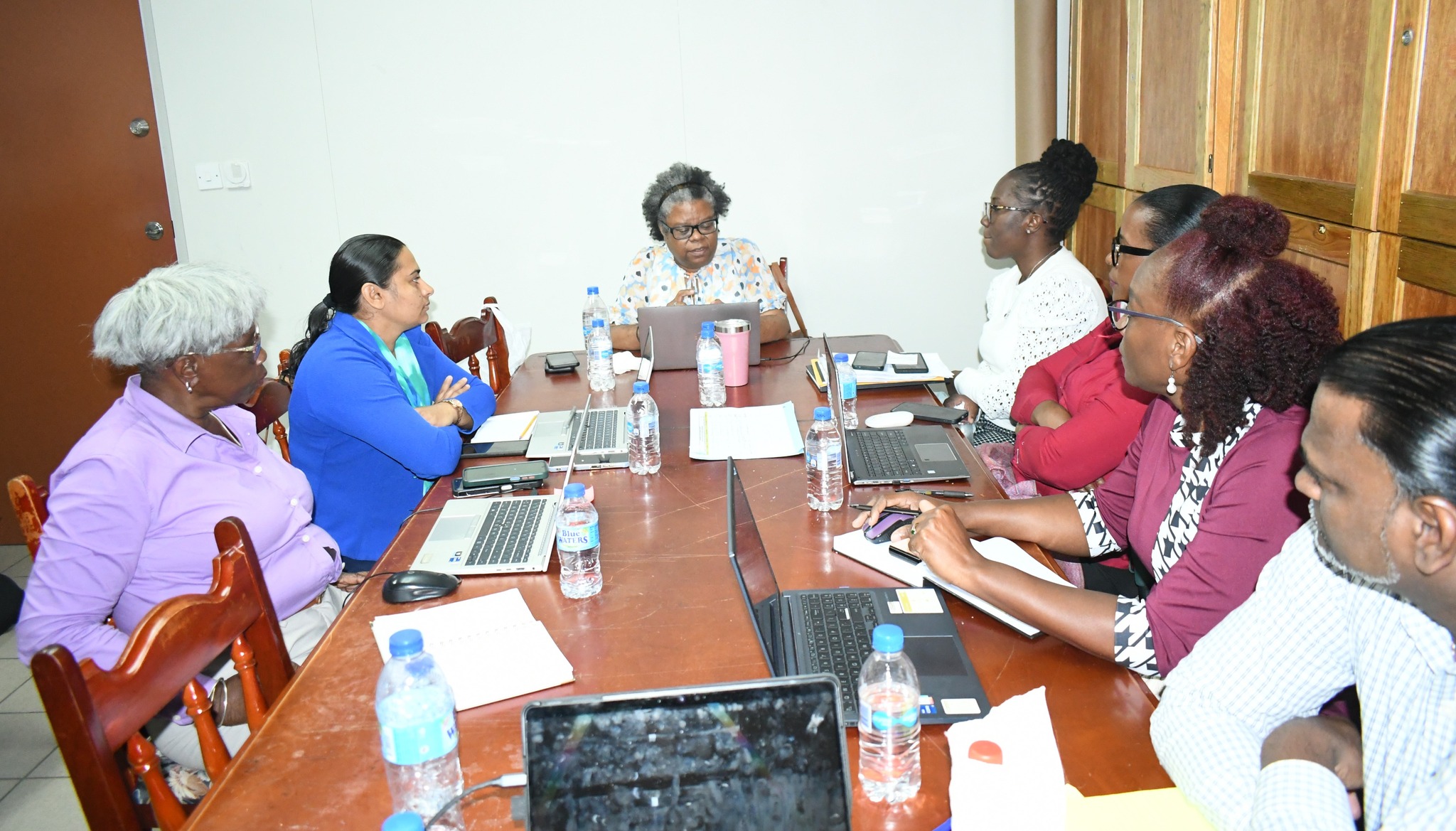
Stakeholders Engage in Consultations to Strengthen National Youth Policy
The Department of Youth Development and Sports, through its Youth Unit, has commenced a four-day series of half-day closed stakeholder consultations aimed at strengthening the development and...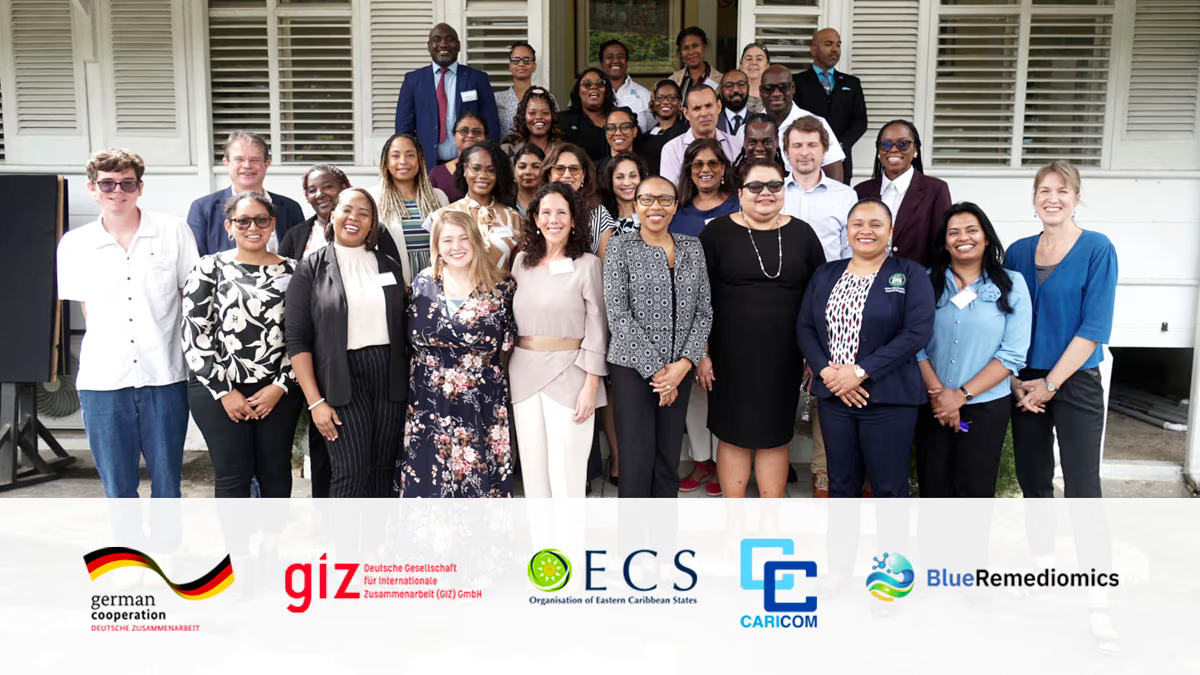
Regional Workshop Strengthens Caribbean Capacity on Genetic Resources
Regional policymakers, scientists, and biodiversity experts gathered from March 3-5, 2026, at The University of the West Indies (UWI), St.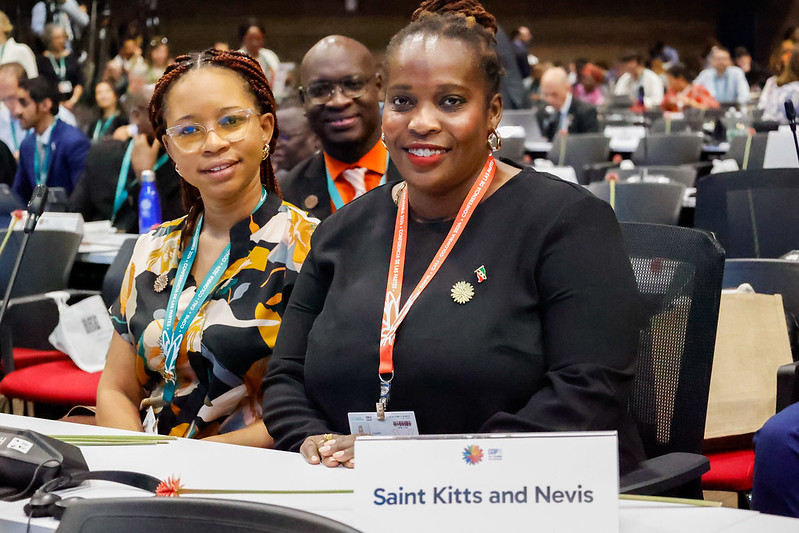
Statement by Hon. Dr. Joyelle Clarke, Minister of Sustainable Development, Environment, Climate Action and Constituency Empowerment of Saint Kitts and Nevis| High-Level Segment, 16th Meeting of the Conference of Parties of the UN Convention on Biological Diversity| Cali, Colombia| 30 October 2024
"The fight for biodiversity cannot be disentangled from the climate crisis. This is why our commitment to the Kunming-Montreal Biodiversity Framework is especially critical and why Saint KittsRelated Stories
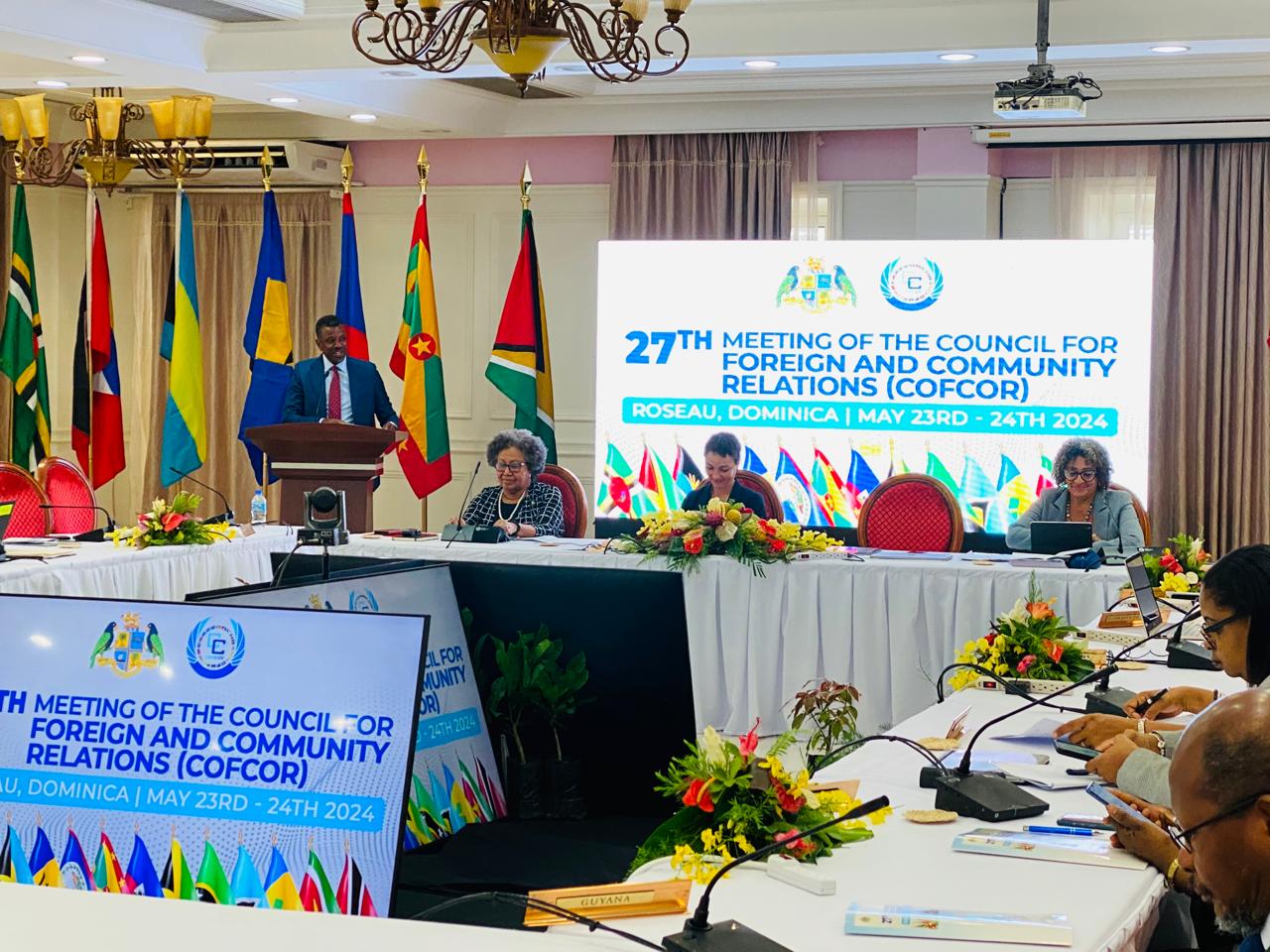

Statement from CARICOM on the Earthquake in Morocco
The Caribbean Community (CARICOM) is deeply saddened to learn of the death and devastation in the Kingdom of Morocco from the earthquake which struck on Friday 8 September.