IICA says Latin America and Caribbean Need new Strategies to Deal with EU Reforms
SAN JOSE, Costa Rica, Nov 25 2015 – The Inter American Institute for Cooperation on Agriculture (IICA) says the development of regional strategies could be the key if Latin American and Caribbean (LAC) countries are to meet the challenges posed by the latest reform of the Common Agricultural Policy (CAP) of the European Union (EU).
IICA said its experts have produced an analysis that explains the implications for Latin America and the Caribbean of the most recent form of the European Union’s Common Agricultural Policy, approved in 2013.
IICA said that while much of Europe’s traditional policy remains unchanged, the reform includes a series of new mechanisms designed to promote food production, the sustainable management of natural resources, and the inclusive development of rural areas, all of which could impact the rest of the world’s agriculture, depending on other countries’ relationships with the EU and their degree of dependence on the European market.
“That is the conclusion reached by a group experts of the Inter-American Institute for Cooperation on Agriculture (IICA) led by the organisation’s Director General, Víctor M. Villalobos, in their most recent technical analysis of the situation,” IICA said.
Villalobos said that the new vision for agriculture should be based on the region’s comparative and competitive advantages.
“We need an innovative medium- and long-term vision; it is not enough simply to implement measures in response to specific events, as that only provides temporary solutions,” Villalobos added.
The new study indicates that as a result of the reforms to the EU policy, LAC countries may face stiffer competition in local and international markets, and wider gaps in productivity between countries in the region and the EU.
IICA said that the impact of the CAP reforms on producers and consumers are likely to vary from country to country.
“For example, countries that produce the same foodstuffs as those they import from the EU, and those that also depend heavily on that region for food imports may face increased competition, which would push down the incomes of local producers.”
Villalobos suggested that the countries needed to focus on five key actions if they wish to reduce the possible impact of the CAP.
He said these include developing and strengthening policies aimed at enabling producers to take decisions based on market information; bridge the gaps in development between rural and urban areas and strengthen ties between the LAC and the EU
This news article is a production distributed through Caribbean News Service. It is made freely available to your media and we encourage publishing and redistribution, giving credit to Caribbean News Service (CNS).
You may also be interested in:
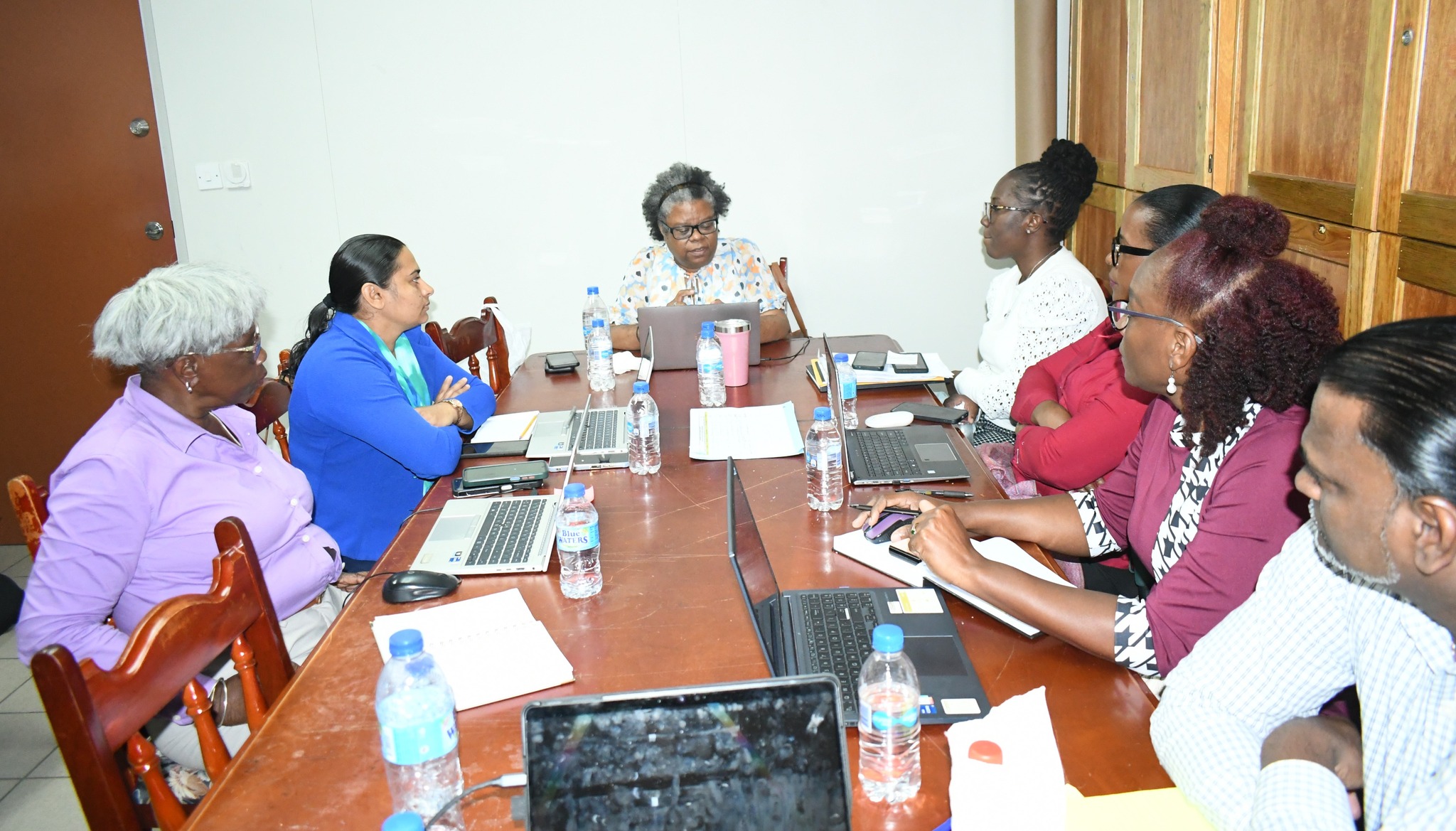
Stakeholders Engage in Consultations to Strengthen National Youth Policy
The Department of Youth Development and Sports, through its Youth Unit, has commenced a four-day series of half-day closed stakeholder consultations aimed at strengthening the development and...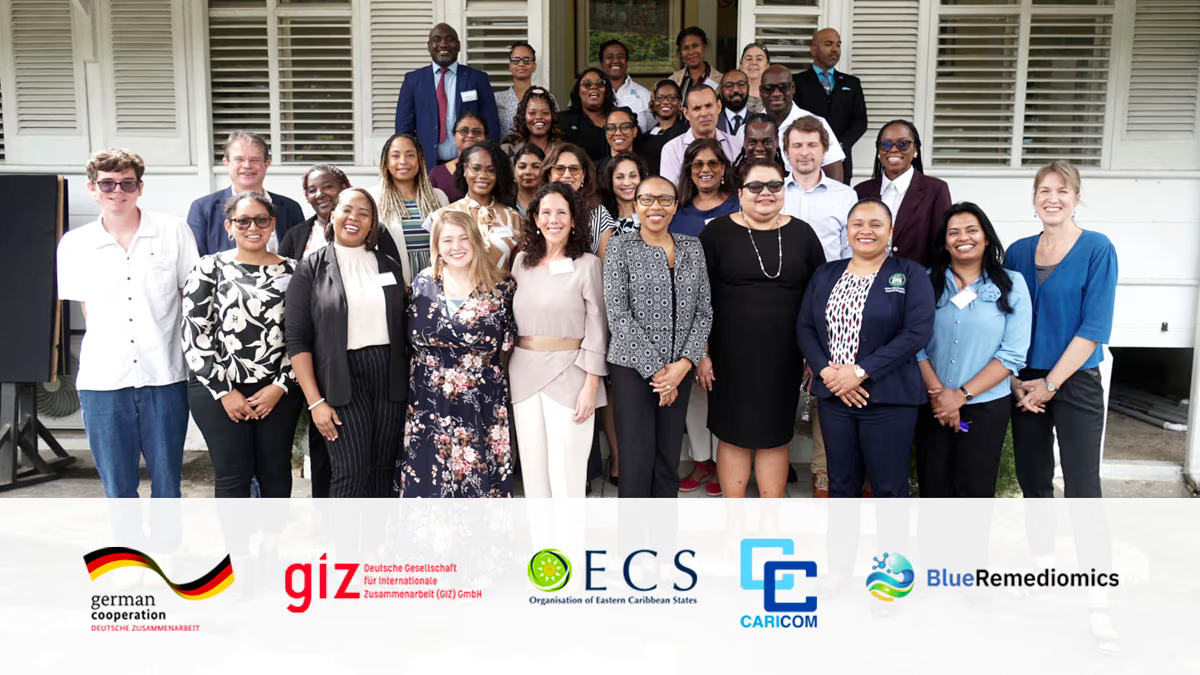
Regional Workshop Strengthens Caribbean Capacity on Genetic Resources
Regional policymakers, scientists, and biodiversity experts gathered from March 3-5, 2026, at The University of the West Indies (UWI), St.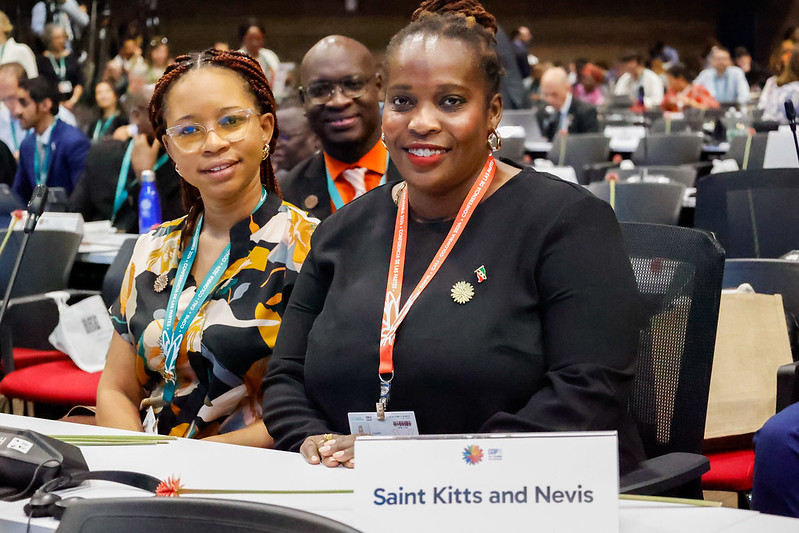
Statement by Hon. Dr. Joyelle Clarke, Minister of Sustainable Development, Environment, Climate Action and Constituency Empowerment of Saint Kitts and Nevis| High-Level Segment, 16th Meeting of the Conference of Parties of the UN Convention on Biological Diversity| Cali, Colombia| 30 October 2024
"The fight for biodiversity cannot be disentangled from the climate crisis. This is why our commitment to the Kunming-Montreal Biodiversity Framework is especially critical and why Saint KittsRelated Stories
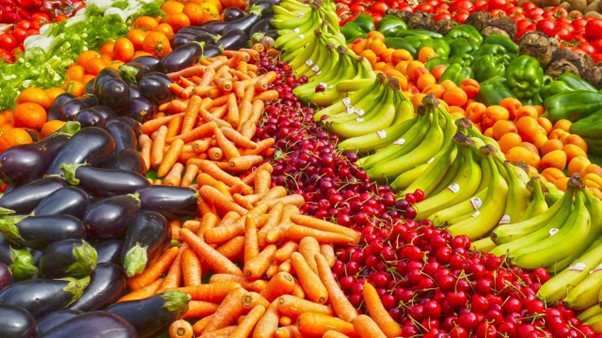
Momentum accelerating towards fulfilling Region’s agriculture potential and food security
Raymond is passionate about farming. He is not one to simply plant a seed and expect it to grow, but he gets literally to the root of the science behind its growth.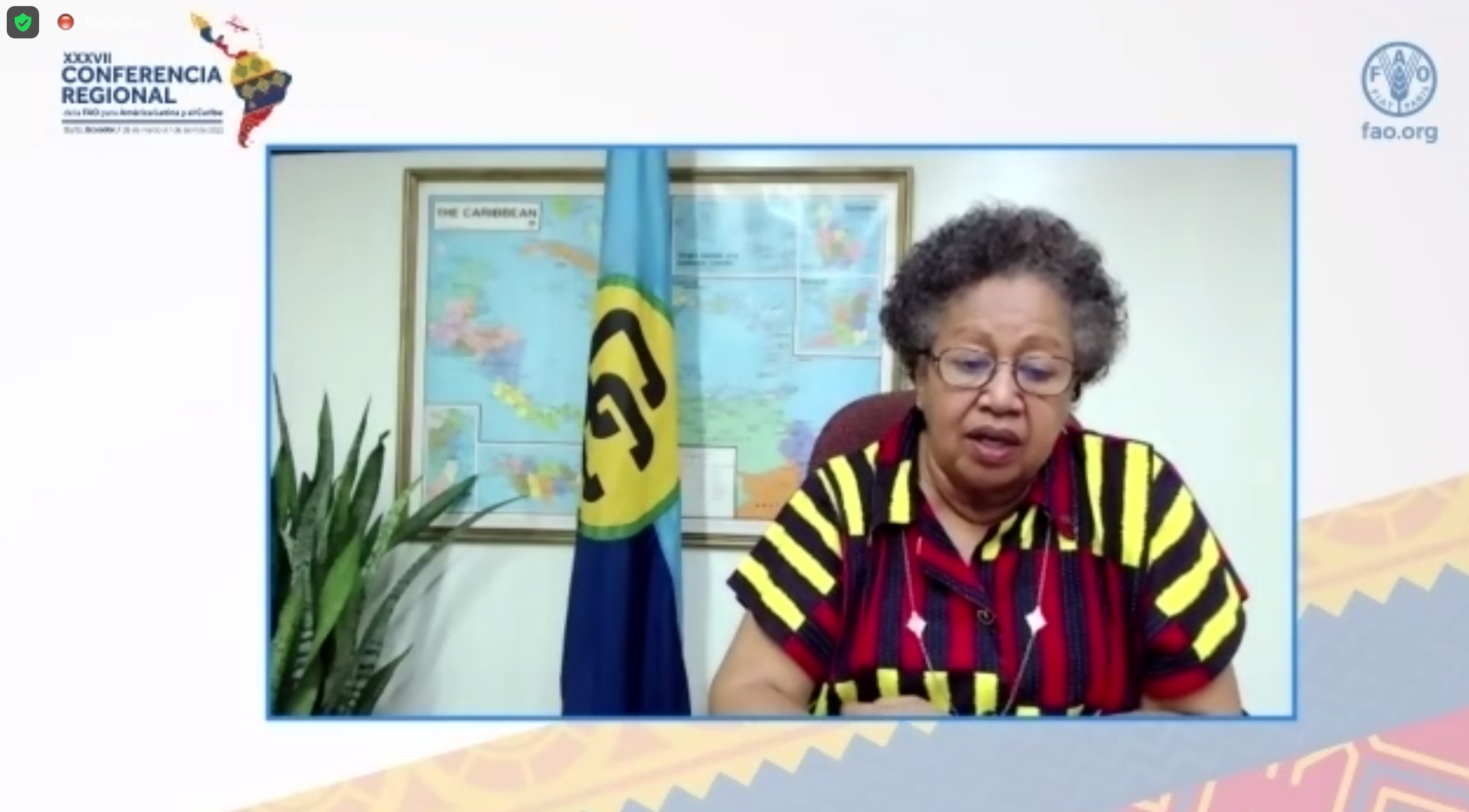
Remarks by CARICOM Secretary-General Dr Carla Barnett at the Meeting of Ministers of Agriculture of the Andean Community (CAN) and the Caribbean Community (CARICOM) being held during the Thirty-Seventh Session of the FAO Regional Conference for Latin America and the Caribbean
Distinguished Chair;Honourable Ministers;Delegates;Ladies and Gentlemen.