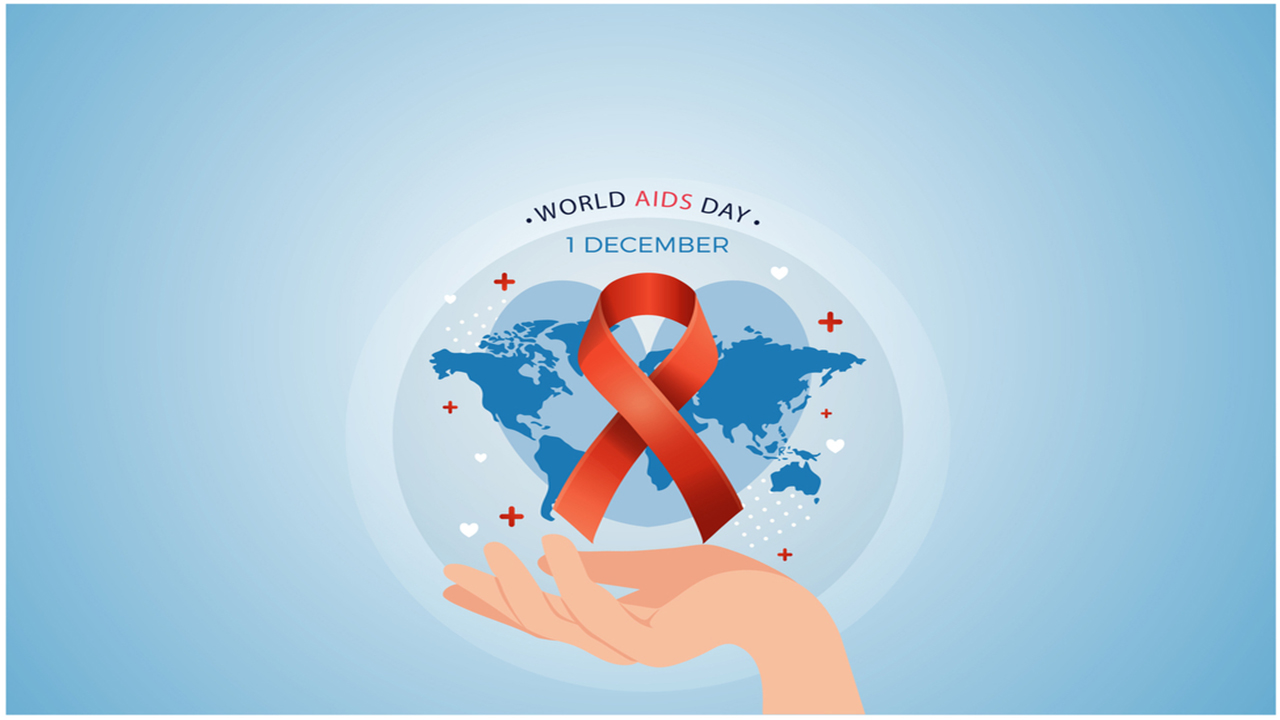
HIV programmes must be relatable to disabled

HIV programmes must be accessible and meet the needs of people with disabilities.
This is according to a new report by UNAIDS, which shows that people with disabilities are often denied the opportunity to articulate their specific needs or be heard, owing to their marginalised position in society.
The Gap Report states that people with disabilities should be fully included in national HIV responses.
“Like many individuals, people with disabilities need and want access to HIV education, testing and treatment, as well as to broader sexual and reproductive health services.”
“National strategic plans on HIV must include good practice on disability. HIV must also be included as an integral part of disability rights strategies, initiatives and programmes.”
“Since people with disabilities are vulnerable to physical and sexual abuse in both community and residential settings, protection safeguards are particularly important. Mechanisms to detect and prevent physical and sexual abuse in both formal and informal support services are needed.”
For national AIDS responses to genuinely address the unmet needs of people with disabilities, the Report acknowledges that improved disability data collection is needed.
In fact, it highlights that this can be achieved by including disability questions in existing surveys, such as national household or national health surveys.
“Data need to be disaggregated by population features, such as by the type of disability, age, sex, ethnicity and socioeconomic status, to uncover patterns, trends and information about subgroups of people with disabilities. Understanding the specific realities of people with disabilities better will help to remove barriers in country-level efforts and improve the provision of HIV and other health services.” (TL)
You may also be interested in:
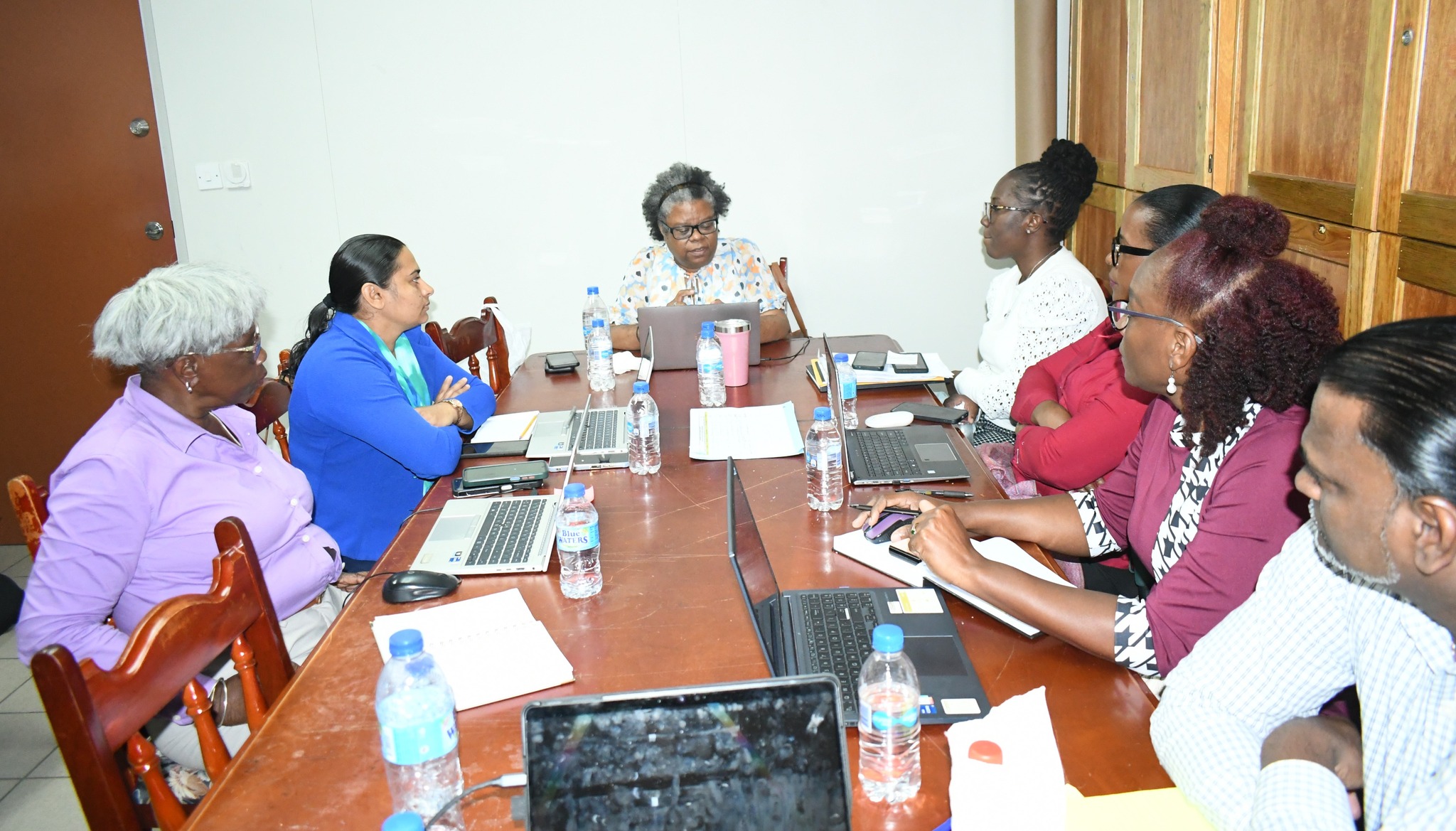
Stakeholders Engage in Consultations to Strengthen National Youth Policy
The Department of Youth Development and Sports, through its Youth Unit, has commenced a four-day series of half-day closed stakeholder consultations aimed at strengthening the development and...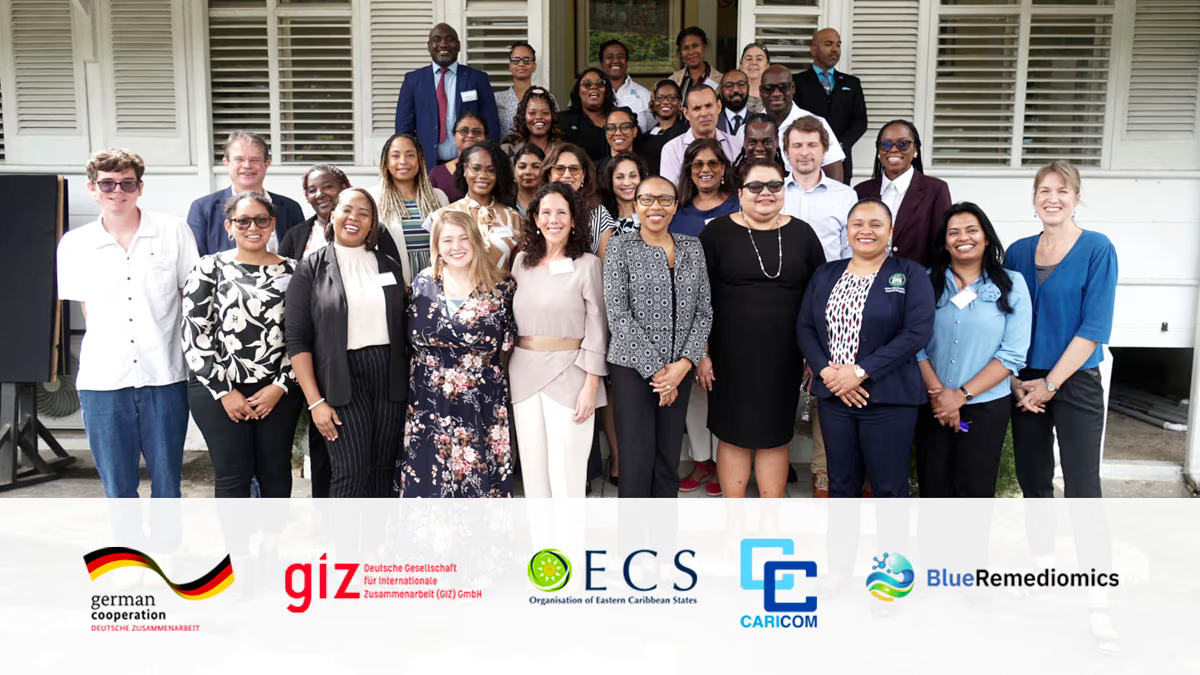
Regional Workshop Strengthens Caribbean Capacity on Genetic Resources
Regional policymakers, scientists, and biodiversity experts gathered from March 3-5, 2026, at The University of the West Indies (UWI), St.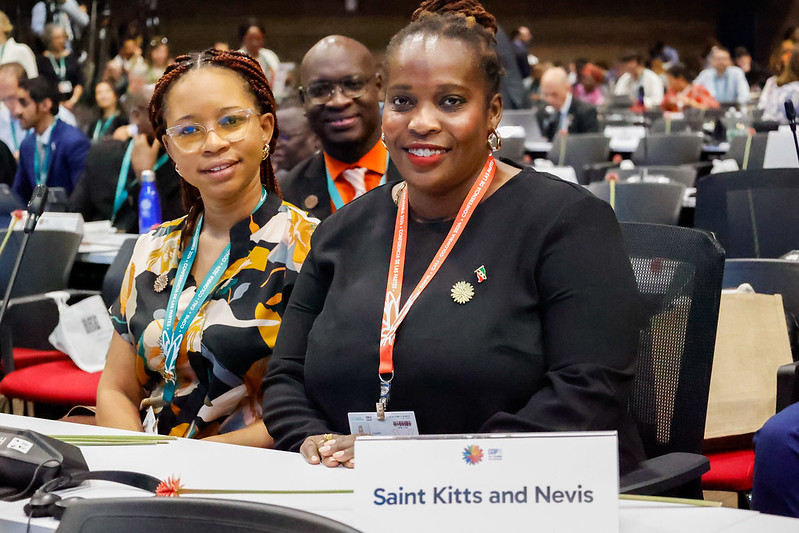
Statement by Hon. Dr. Joyelle Clarke, Minister of Sustainable Development, Environment, Climate Action and Constituency Empowerment of Saint Kitts and Nevis| High-Level Segment, 16th Meeting of the Conference of Parties of the UN Convention on Biological Diversity| Cali, Colombia| 30 October 2024
"The fight for biodiversity cannot be disentangled from the climate crisis. This is why our commitment to the Kunming-Montreal Biodiversity Framework is especially critical and why Saint KittsRelated Stories
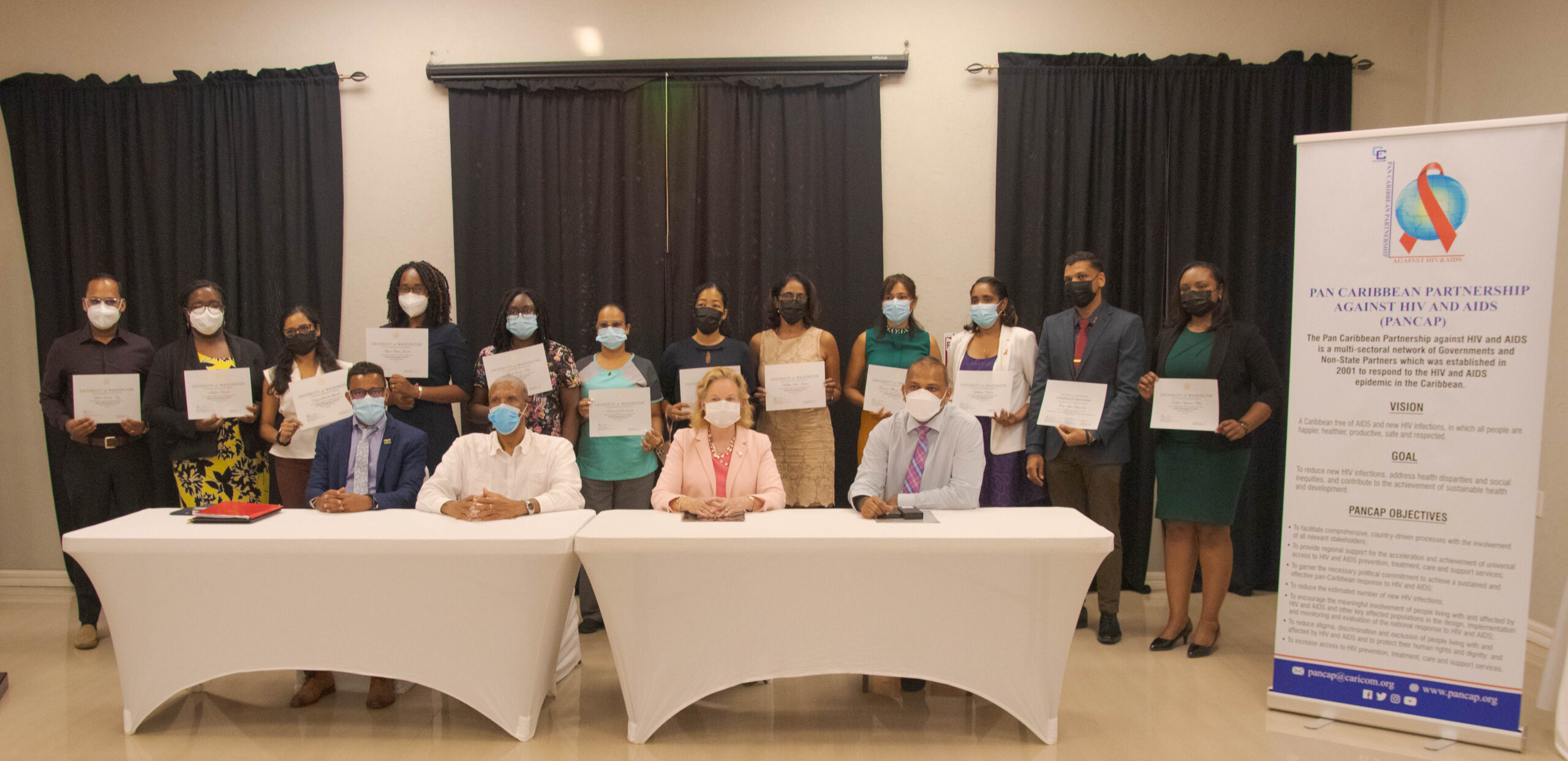
REGION’S PUBLIC HEALTH BOOSTED BY PANCAP CAPACITY-BUILDING INITIATIVE
EIGHTEEN (18) CLINICAL AND PUBLIC HEALTH PRACTITIONERS COMPLETE THREE-MONTH COURSE ON CLINICAL MANAGEMENT OF HIV Thursday, 7 October 2021 (PANCAP Coordinating Unit, CARICOM Secretariat): The...
Regional Stakeholders to discuss scaling up and Sustaining the Regional HIV Response during COVID-19
Tuesday, 18 May 2021 (PANCAP Coordinating Unit, CARICOM Secretariat): The Pan-Caribbean Partnership against HIV and AIDS (PANCAP), the mechanism that provides a structured and unified approach to t