Here’s what to do about diabetes – 4th leading cause of death in America
Think of 10 people close to you—family members, friends and coworkers. Chances are at least one is suffering from diabetes, though they might not know it. An estimated 10% of the population of the Americas—more than 62 million people—have diabetes, and more than half a million people die from it each year. That makes diabetes the fourth-leading cause of death in the hemisphere after heart attacks, strokes and dementias.
Yet deaths are only part of this disease’s devastating impact. Many people with diabetes develop serious complications, including blindness, nerve damage and circulation problems leading to amputated limbs, kidney failure requiring costly dialysis, and heart failure resulting in death. Those at highest risk are the 30-40% of people who don’t know they have diabetes and those who lack access to good health care.
Unfortunately, diabetes is on the increase in the Americas and around the world. As with other chronic diseases such as heart disease, cancer and stroke, the underlying causes of type 2 diabetes—the most common form—are lifestyle changes linked to development and globalization. If current trends continue, diabetes is expected to afflict more than 100 million people in our hemisphere by 2040.
What needs to be done?
Research shows that people who are overweight or obese are at highest risk of developing type 2 diabetes. Currently, 60% of people in the Americas fall into those categories. We know the main culprits for this are unhealthy diets and physical inactivity, which is why health advocates always urge us to “eat healthy” and “be more physically active.”
For World Health Day 2016 (April 7), the Pan American Health Organization (PAHO) and the World Health Organization (WHO) are repeating this good advice as part of a campaign to raise awareness of the burden of diabetes and the urgent need to step up action for its prevention and control.
But what kind of action and by whom?
First, eating healthy and being active are indeed important to prevent and even control diabetes. That means basing one’s diet on nutritious whole foods like fruits, vegetables, fish, and lean meats while avoiding sugar-sweetened beverages and ultra-processed foods that are high in calories and low in nutrition.
It’s also important to limit sedentary behaviour and take as many opportunities as possible to be active.
But preventing diabetes and other lifestyle-related diseases is not just an individual responsibility. Governments also have a key role to play through laws and regulations that help “make the healthy choice the easier choice” for people to make.
This is a lesson public health advocates learned from the battle with tobacco. Telling smokers how unhealthy cigarettes were and urging them to quit had only limited success. What proved much more effective were taxes to make tobacco products more expensive, bans on smoking in public places, and restrictions on tobacco advertising, marketing, and sponsorship.
A number of countries in our hemisphere have learned from this experience and are now taking strong regulatory action to promote healthy eating. Mexico, Barbados and Dominica, for example, have increased taxes on sugary beverages to reduce consumption. Brazil, Chile and Mexico now restrict junk food advertising aimed at children. Chile and Ecuador now require front-of-package nutrition labels that alert consumers to processed foods that are high in sugar, fat or salt. On the other side of the equation, cities throughout Latin America now sponsor regular Ciclovías, during which city streets are temporarily closed off to create safe spaces for walking, biking and other activities.
Governments have other critical responsibilities in fighting the diabetes epidemic. It is especially important that public health systems be capable of early diagnosis of diabetes and ensures that people receive good care. Toward this end, PAHO/WHO provides guidance in these areas and is also working with its member countries to advance toward universal health, in order to ensure that diabetes care—as well as other health services—are available to everyone who needs them.
This year’s World Health Day, April 7, is an opportunity to highlight the role that all of us—individuals, governments and all of society—can play to help reverse the diabetes epidemic in the Americas. It’s time for all of us to join together to “Step up and beat diabetes!”
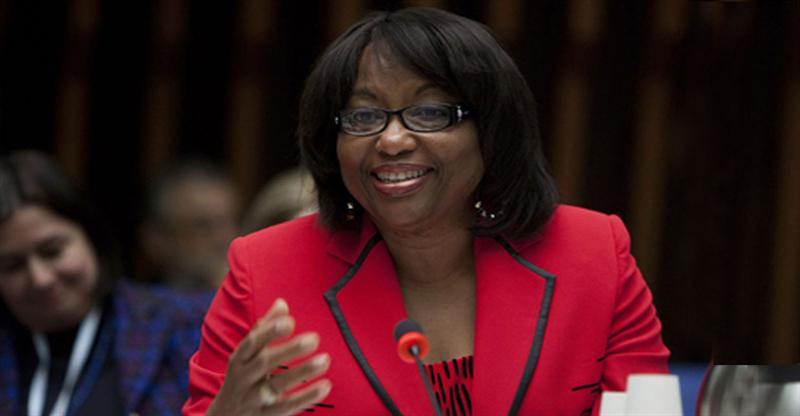
*Carissa F. Etienne is Director of the Pan American Health Organization, Regional Office for the Americas of the World Health Organization.
You may also be interested in:
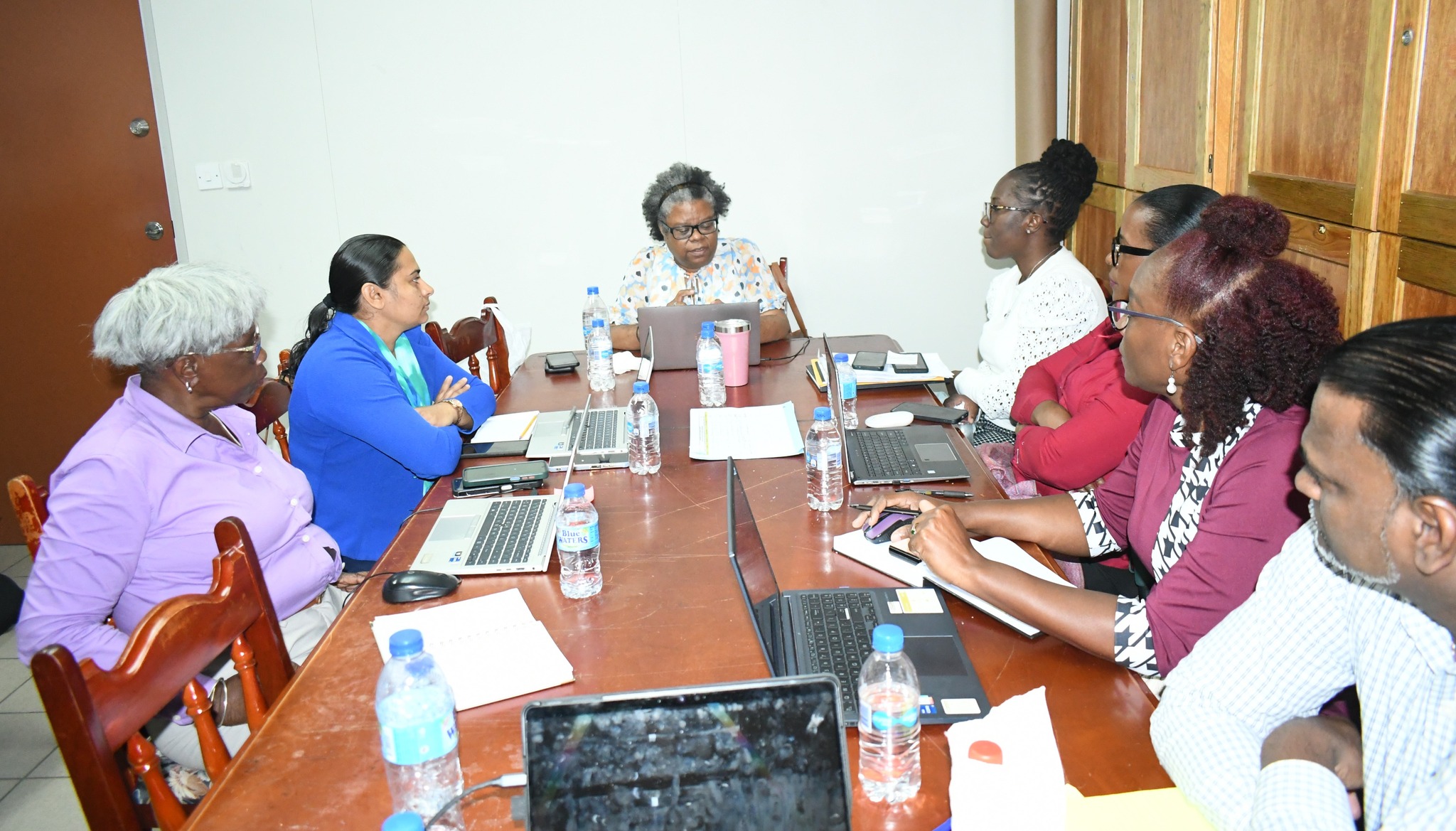
Stakeholders Engage in Consultations to Strengthen National Youth Policy
The Department of Youth Development and Sports, through its Youth Unit, has commenced a four-day series of half-day closed stakeholder consultations aimed at strengthening the development and...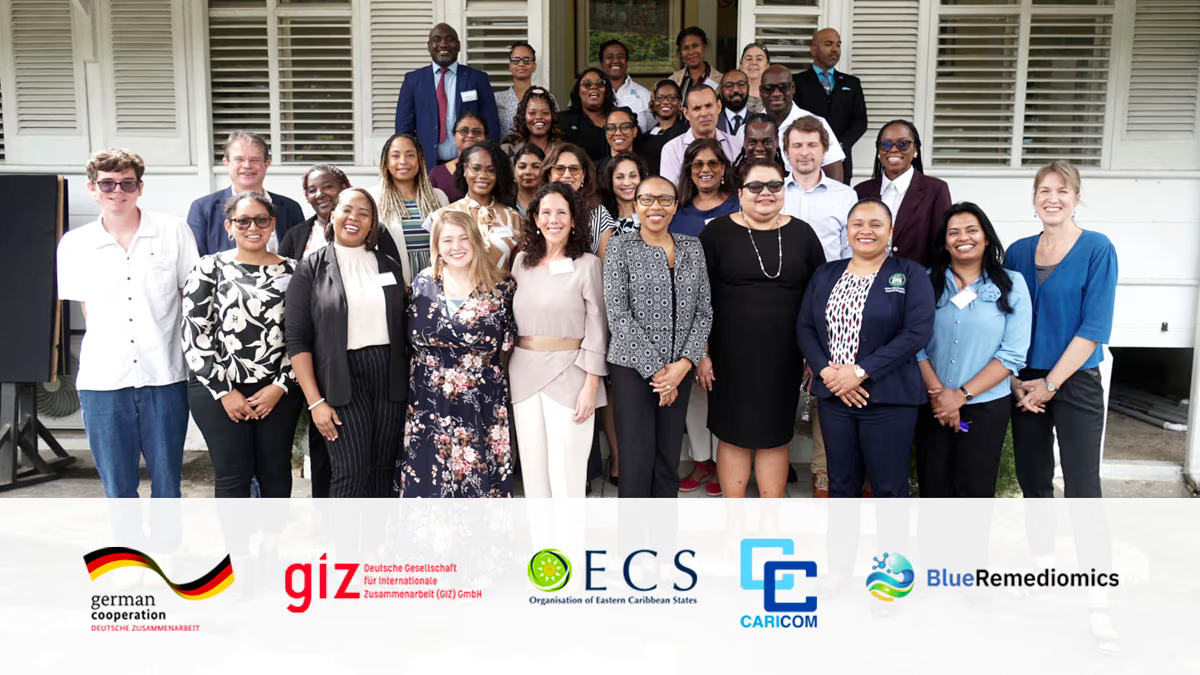
Regional Workshop Strengthens Caribbean Capacity on Genetic Resources
Regional policymakers, scientists, and biodiversity experts gathered from March 3-5, 2026, at The University of the West Indies (UWI), St.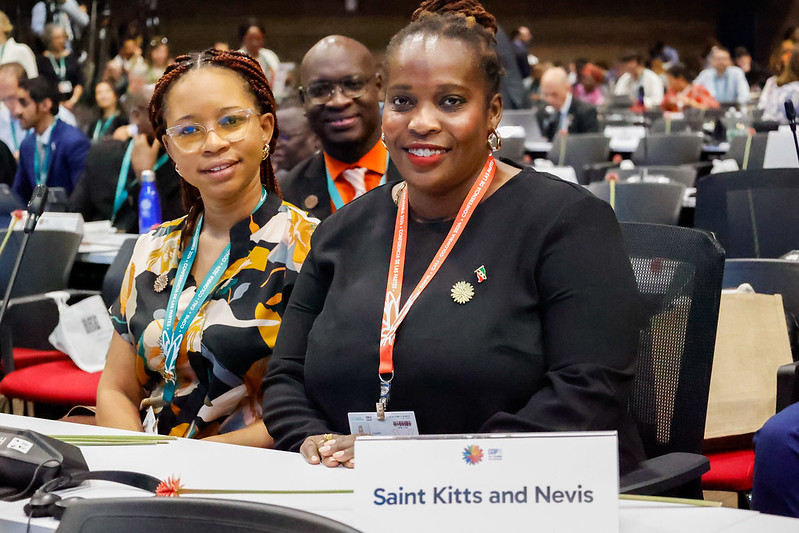
Statement by Hon. Dr. Joyelle Clarke, Minister of Sustainable Development, Environment, Climate Action and Constituency Empowerment of Saint Kitts and Nevis| High-Level Segment, 16th Meeting of the Conference of Parties of the UN Convention on Biological Diversity| Cali, Colombia| 30 October 2024
"The fight for biodiversity cannot be disentangled from the climate crisis. This is why our commitment to the Kunming-Montreal Biodiversity Framework is especially critical and why Saint KittsRelated Stories

EU/PAHO/CARIFORUM Climate & Health Project Builds Capacity with Health Co-Benefits Training
Bridgetown, Barbados, 7 June 2021 (PAHO/WHO) - During a recently held European Union (EU), Pan American Health Organization (PAHO), [1]CARIFORUM Health Co-Benefits webinar, representatives from 16.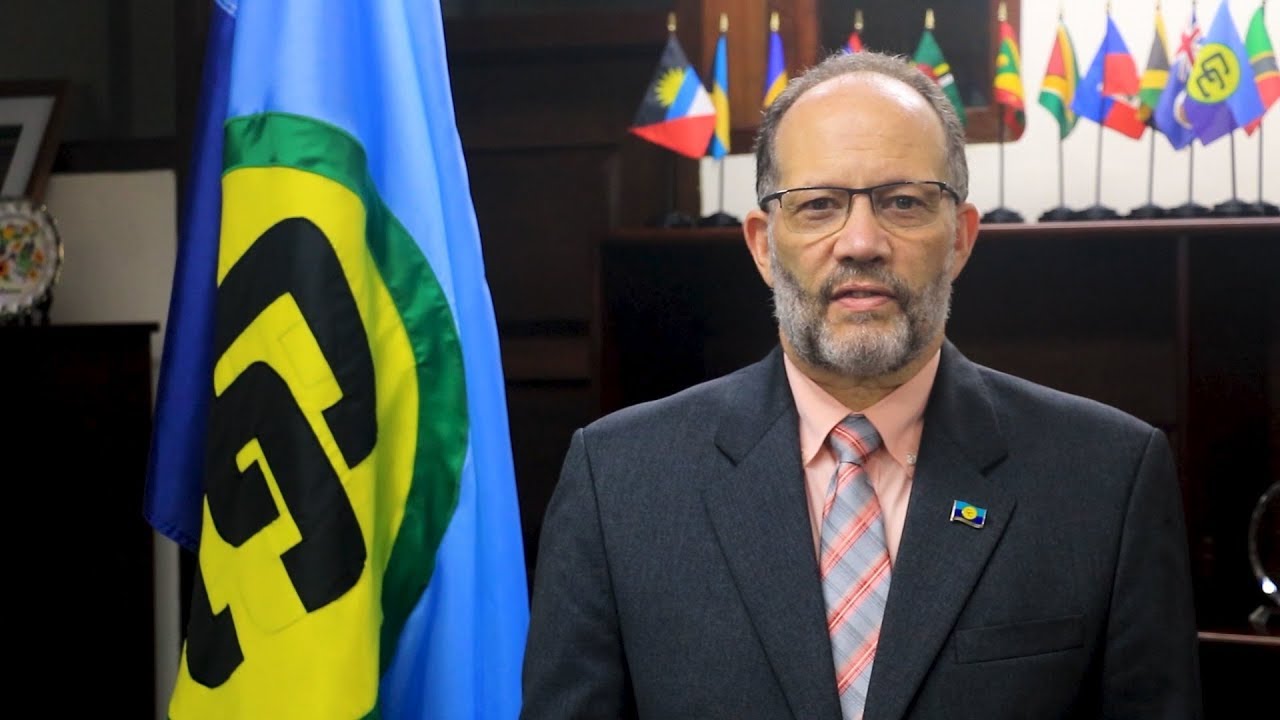
CARICOM SG's Address - Launch of EU/CARIFORUM Climate Change and Health Project in the Caribbean
ADDRESS BY THE SECRETARY-GENERAL AMBASSADOR IRWIN LAROCQUE on the occasion of the LAUNCH OF EU/CARIFORUM CLIMATE CHANGE AND HEALTH PROJECT IN THE CARIBBEAN “Impact of Climate Change and Health on..