Guyana among other CARICOM countries to cut back reliance on PetroCaribe
At least four Caribbean Community (CARICOM) member countries are taking steps to reduce their reliance on Venezuela’s PetroCaribe oil subsidy as crude prices plunge, according to the International Monetary Fund (IMF).
The four countries are Guyana, Haiti, Belize and Jamaica and it’s a move other countries should follow, said David Voght, managing director of energy consultancy IPD Latin America.
The future of the $8 billion PetroCaribe subsidy, which also allows countries to finance part of their oil purchases at 1 percent for 25 years, is looking less secure as Venezuela faces inflation that had risen to 63 percent and the world’s widest budget deficit.
Venezuela’s cheap financing has softened the blow of increased oil prices that have averaged $100 a barrel since the program was created in 2005. The Caribbean region spent 13 percent of its gross domestic product on oil imports, the World Bank said in a 2012 report.
Under PetroCaribe, Venezuela finances as much as 60 percent of the cost of oil shipments. The Bank of Nova Scotia said the program is more “noose” than lifeline for the region, the most indebted in the world.
Venezuela has the world’s largest oil reserves and is Latin America’s biggest oil producer, with 97 percent of its export income coming from sales of crude and its derivatives. It also has the world’s highest inflation and the worst recession in the region, the IMF said.
However, Venezuela lost 30 percent of its foreign currency earnings due to the drop in crude prices last month, President Nicolas Maduro said in a national address on November 13. The country’s average price for oil exports reached a four-year low of $69 a barrel last week, below the level it needs to keep making debt payments.
As one of its least profitable members, Venezuela is pushing the Organisation of Oil Producing Countries (OPEC) to reduce output in order to boost prices when it meets this week in Vienna.
The benchmark Brent crude price has declined 28 percent this year to $80.05 a barrel amid the fastest rate of US oil production in more than three decades.
An unfavourable decision by OPEC will be even more bad news for Venezuela’s economy, including its ability to maintain PetroCaribe.
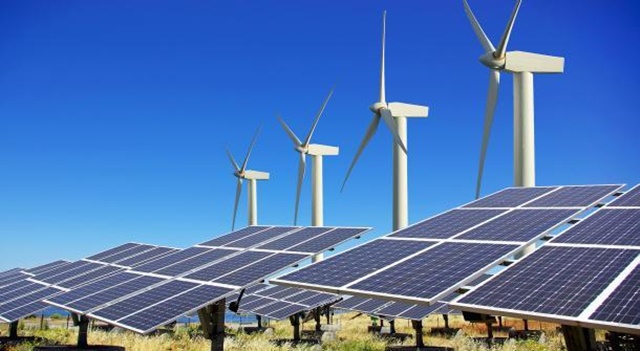
Meanwhile, Jamaica, one of PetroCaribe’s 19 members, is seeking to “build a resilience in the economy, restore the buffers and reserves, diversify from fuel oil, increase renewables and do something on conservation,” central bank Governor Brian Wynter said in a November 18 interview. The goal is “that our dependency is less” on PetroCaribe, he said.
Jamaica is boosting international reserves to hedge against a potential reduction in aid from Venezuela, the IMF said in a July report on regional financial risk.
Belize is using PetroCaribe financing to strengthen external buffers and Guyana is using the program to reduce debt and increase savings, the IMF said.
Haiti, which owes Venezuela the equivalent of 15 percent of its gross domestic product, is strengthening fiscal policies to boost government deposits.
PetroCaribe deliveries to Central America and the Caribbean averaged 100,000 barrels a day this year, unchanged from last year. This does not include about 100,000 barrels a day sent to Cuba, which pays Venezuela with medical care provided by about 30,000 medical and sports personnel sent to the country.
Belize has tapped about $100 million in financing from PetroCaribe in the past two years, according to John Mencias, the head of the country’s PetroCaribe fund.
Jamaica is swapping high-interest debt for a line of credit funded by the PetroCaribe agreement, according to the PetroCaribe Development Fund’s CEO. (CaribbeanNewsNow)
You may also be interested in:
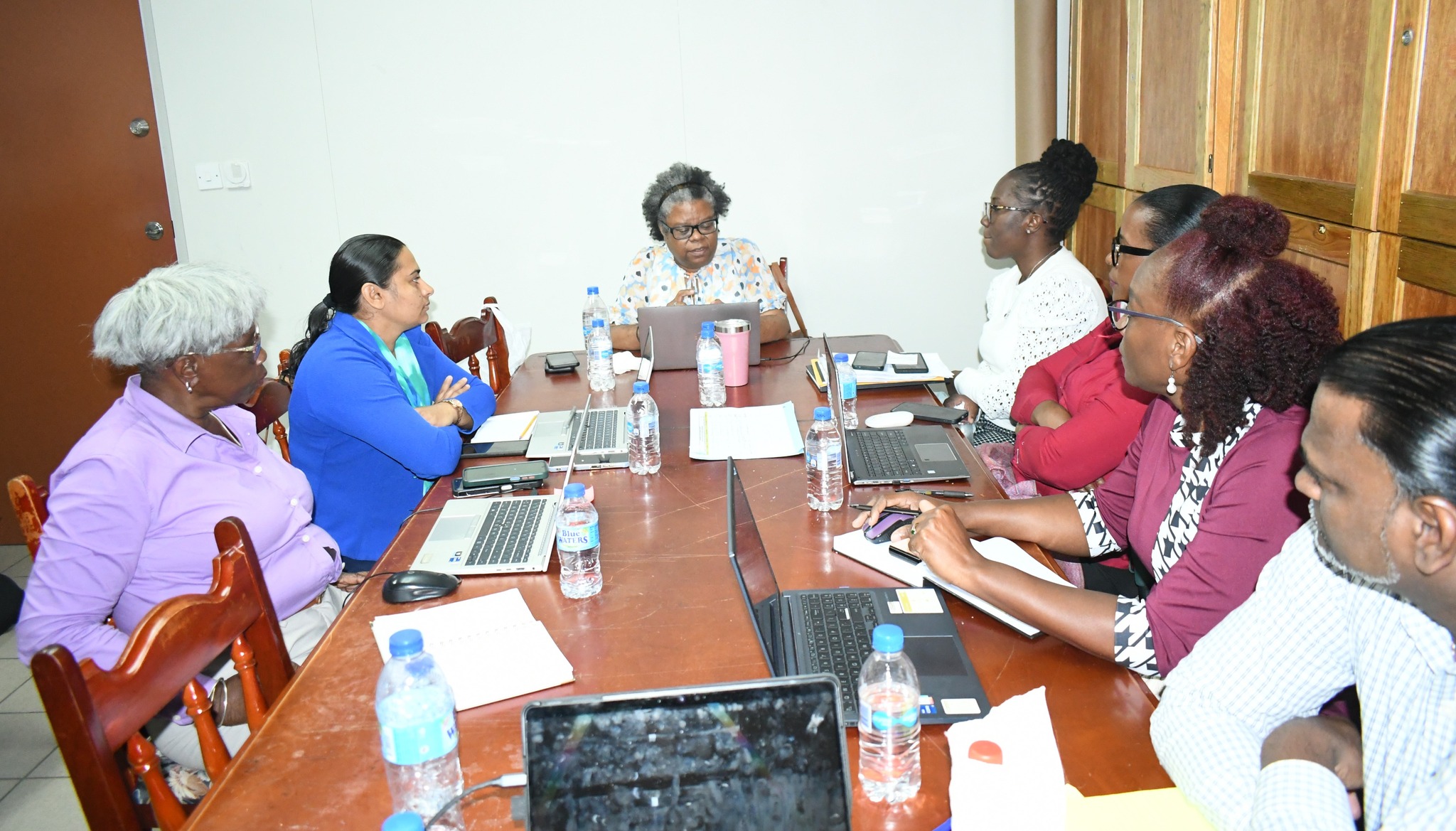
Stakeholders Engage in Consultations to Strengthen National Youth Policy
The Department of Youth Development and Sports, through its Youth Unit, has commenced a four-day series of half-day closed stakeholder consultations aimed at strengthening the development and...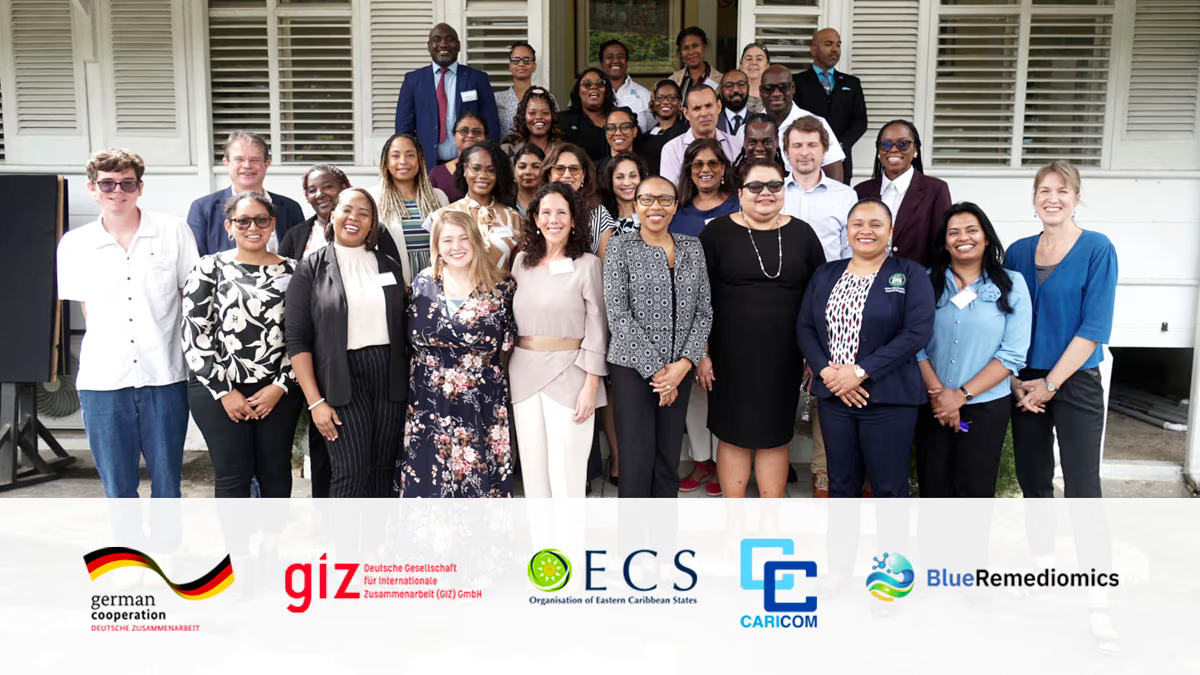
Regional Workshop Strengthens Caribbean Capacity on Genetic Resources
Regional policymakers, scientists, and biodiversity experts gathered from March 3-5, 2026, at The University of the West Indies (UWI), St.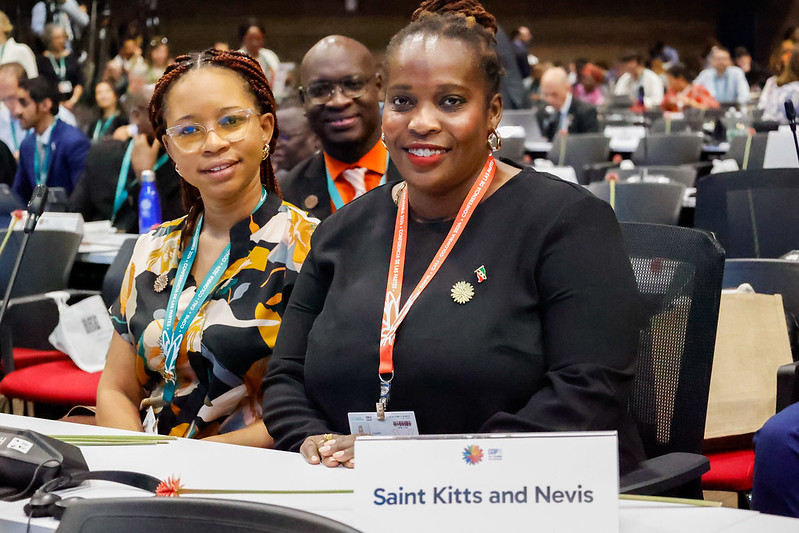
Statement by Hon. Dr. Joyelle Clarke, Minister of Sustainable Development, Environment, Climate Action and Constituency Empowerment of Saint Kitts and Nevis| High-Level Segment, 16th Meeting of the Conference of Parties of the UN Convention on Biological Diversity| Cali, Colombia| 30 October 2024
"The fight for biodiversity cannot be disentangled from the climate crisis. This is why our commitment to the Kunming-Montreal Biodiversity Framework is especially critical and why Saint KittsRelated Stories
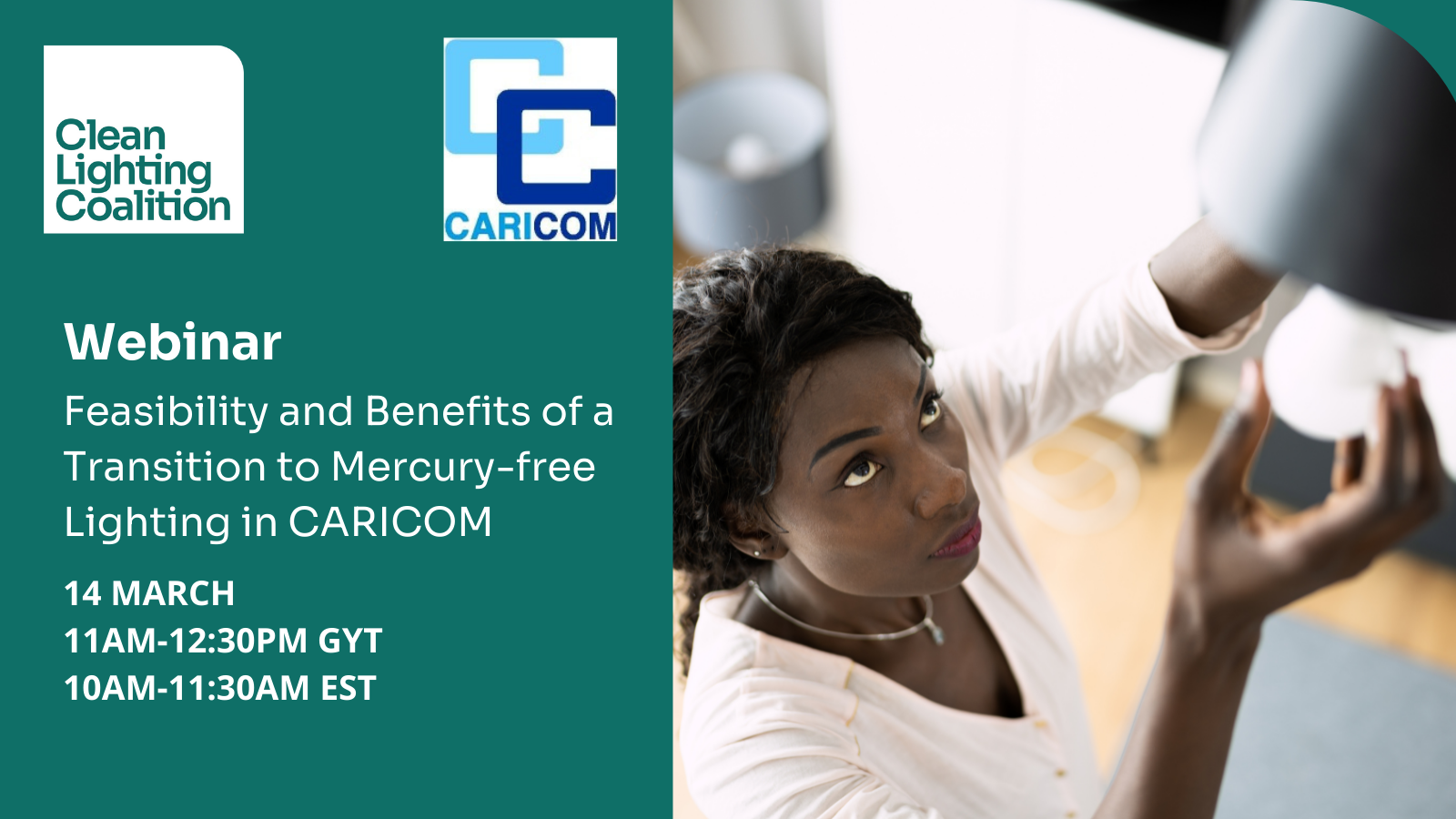
Feasibility and Benefits of a Transition to Mercury-free Lighting in CARICOM
In the lead up to #MinamataCOP4, the Caribbean Community (CARICOM) Secretariat and the Clean Lighting Coalition are hosting a virtual conversation to highlight the feasibility and benefits of a...<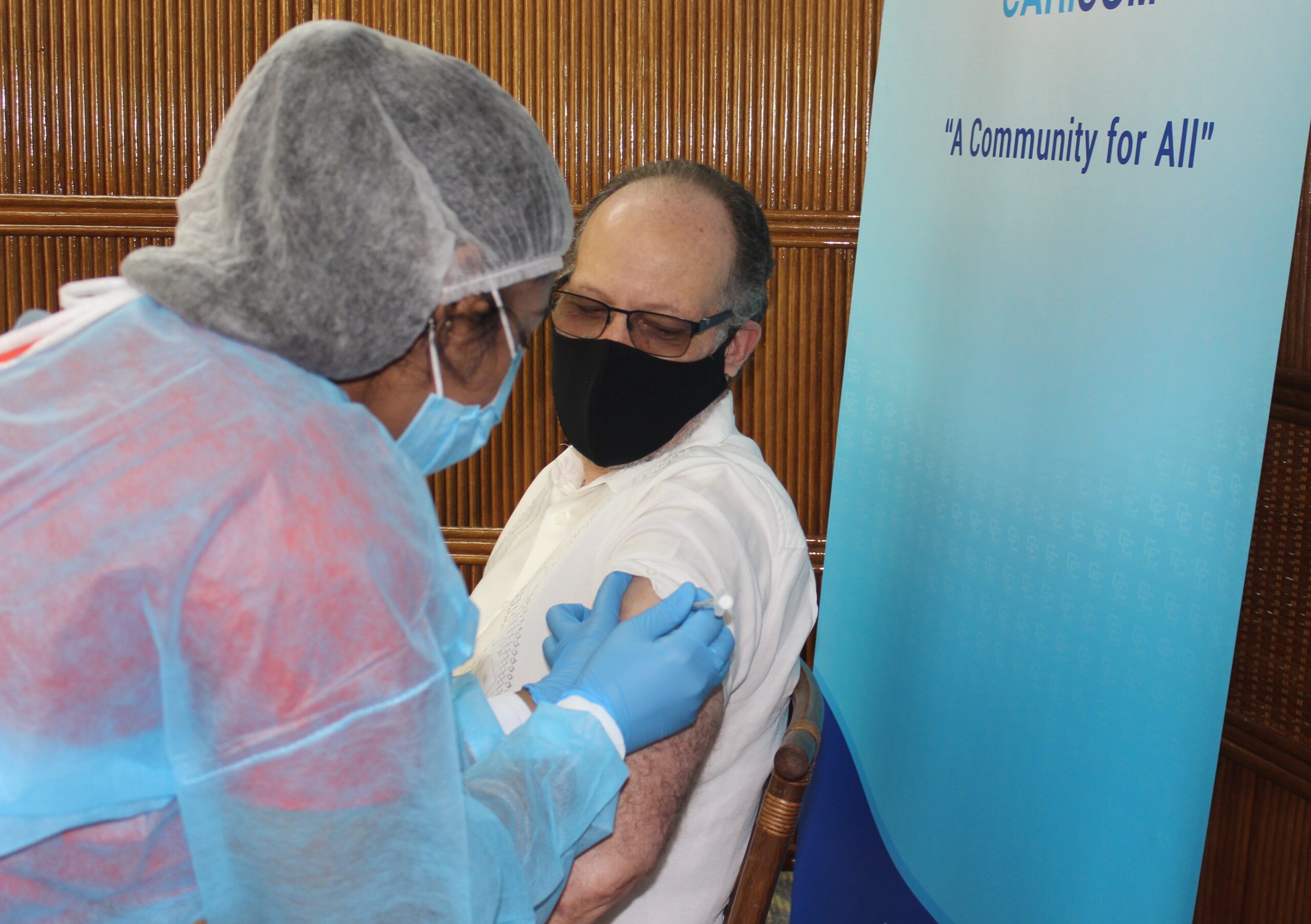
Secretary-General praises strong CARICOM Solidarity in COVID-19 vaccine sharing
CARICOM Secretary-General Ambassador Irwin LaRocque on Friday praised the strong solidarity within CARICOM as Member States share their limited first batches of COVID-19 vaccines. The...