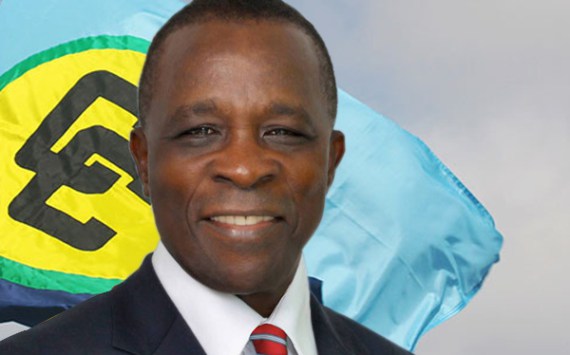
Grenada pilot project to improve court administration to be launched
The Caribbean Court of Justice (CCJ) through the Judicial Reform and Institutional Strengthening (JURIST) Project in collaboration with the Eastern Caribbean Supreme Court (ECSC) is embarking on a delay and backlog reduction pilot project for the Supreme Court of Grenada. The pilot project commences in Grenada during the week of February 2, 2015 and is an activity under the JURIST Project which is a five year regional Caribbean (English speaking) initiative funded under an arrangement with the Government of Canada with the CCJ as the implementing agency.
The Project seeks to improve court administration and the administration of justice in the Caribbean region by strengthening the ability of the courts and the judiciary to resolve cases efficiently and fairly. The Project will be rolled out in six pilot countries namely Barbados, Belize, Grenada, Guyana, Jamaica and one other country to be identified from the Organization of Eastern Caribbean States (OECS). Special attention will be paid to improving the capacity and skills of judges, court administrators and court personnel to deliver services that address the different needs of women, men, girls and boys as well as those of their “customers” from the governmental and private sector.
Grenada is the first country to commence activities under the JURIST Project with support from its Government. The pilot project aims to eliminate a backlog of approximately 200 civil cases in the Supreme Court of Grenada which are ready for trial but dates have not been set for them to be heard by a judge. It is estimated that the pilot project will be undertaken in nine months with two additional temporary judges being assigned to the Supreme Court of Grenada to assist with hearing the matters.
A public awareness campaign on mediation will also be undertaken to sensitise litigants and their attorneys on the benefits of and with a view to, referring the cases to mediation in order to provide an opportunity for early settlement before trial. Over the next few months, the campaign will be extended to the Grenadian general public through the local media and the hosting of town hall meetings.
In addition to using mediation as a method of resolving disputes at an early stage, the pilot project will also utilise modern technology tools in the courtroom to access information on court files and to record the proceedings digitally for use at later stages of the process, if necessary. It is anticipated that technological efficiency will allow for more timely completion of matters throughout the life of trial processes.
Rules and procedural practices will also be developed during the pilot project all aimed at expediting the trial process and minimizing the likelihood of creating backlog in the future. Performance measures and standards will also be introduced which will inform policies to be established by the ECSC. These rules, procedural practices, performance measures and policies will also be implemented in other Member States of the ECSC on completion of the pilot project and will be made available for implementation in other Caribbean Community (CARICOM) Member States.
Another objective of the pilot project is to complete all part heard matters and implement measures to ensure that all currently outstanding reserved decisions are delivered.
The pilot project starts with a special training session for judges of the ECSC as well as other legal practitioners who will be assisting the Supreme Court of Grenada in the capacity of acting judges. This training programme has been developed by the Commonwealth Judicial Education Institute (CJEI) which is based in Halifax, Canada together with the Judicial Education Institute (JEI) of the ECSC, the President and Judges of the CCJ and the Trinidad and Tobago Judicial Education Institute. Shortly thereafter once all the facilities are in place, the two temporary additional judges will be assigned to Grenada to commence their work to complete the 200 cases which have been identified.
It is estimated that the project will cost approximately EC $1 million which includes counterpart funding from the Government of Grenada and the ECSC. (CCJ Media Release)
You may also be interested in:
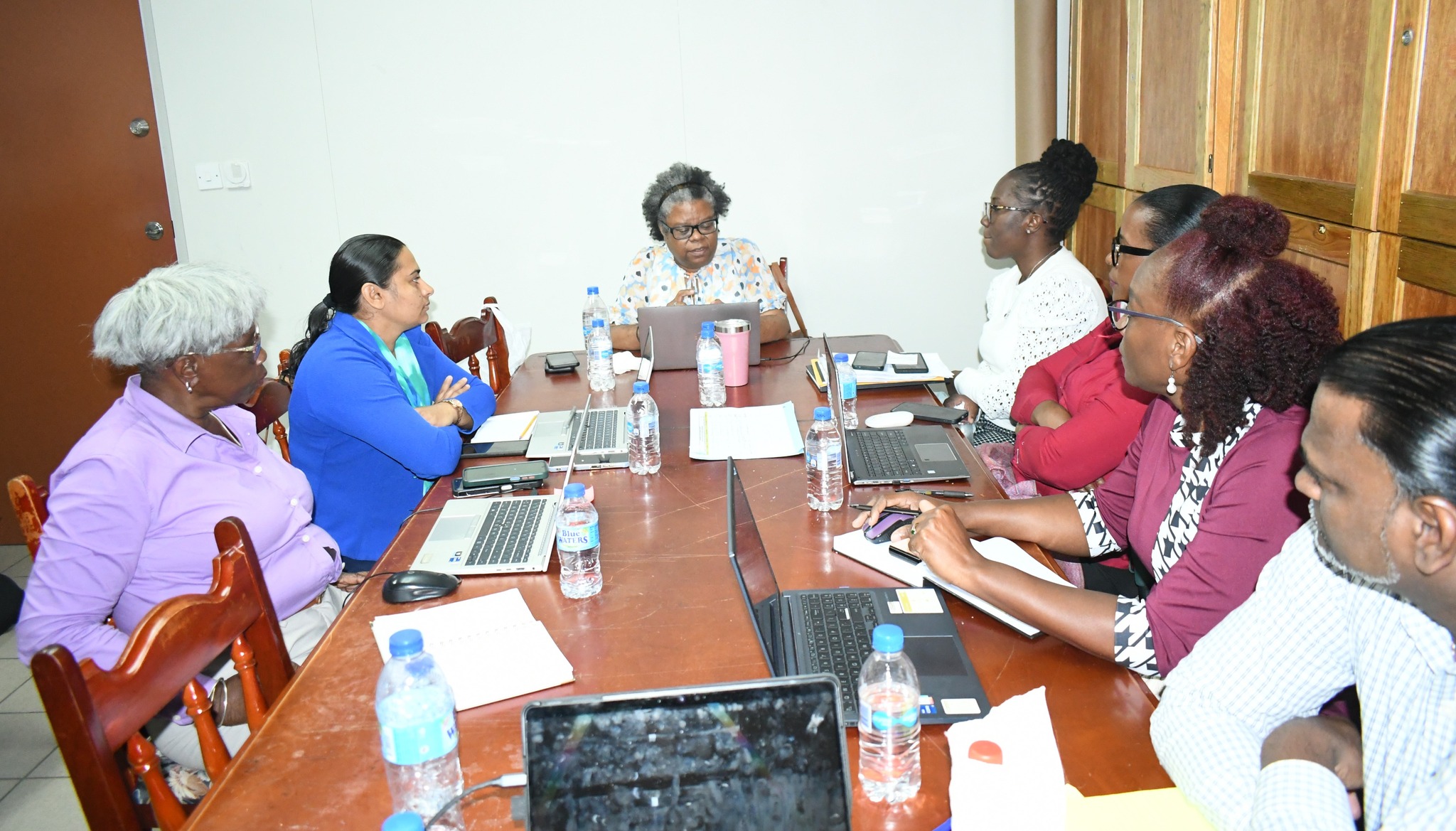
Stakeholders Engage in Consultations to Strengthen National Youth Policy
The Department of Youth Development and Sports, through its Youth Unit, has commenced a four-day series of half-day closed stakeholder consultations aimed at strengthening the development and...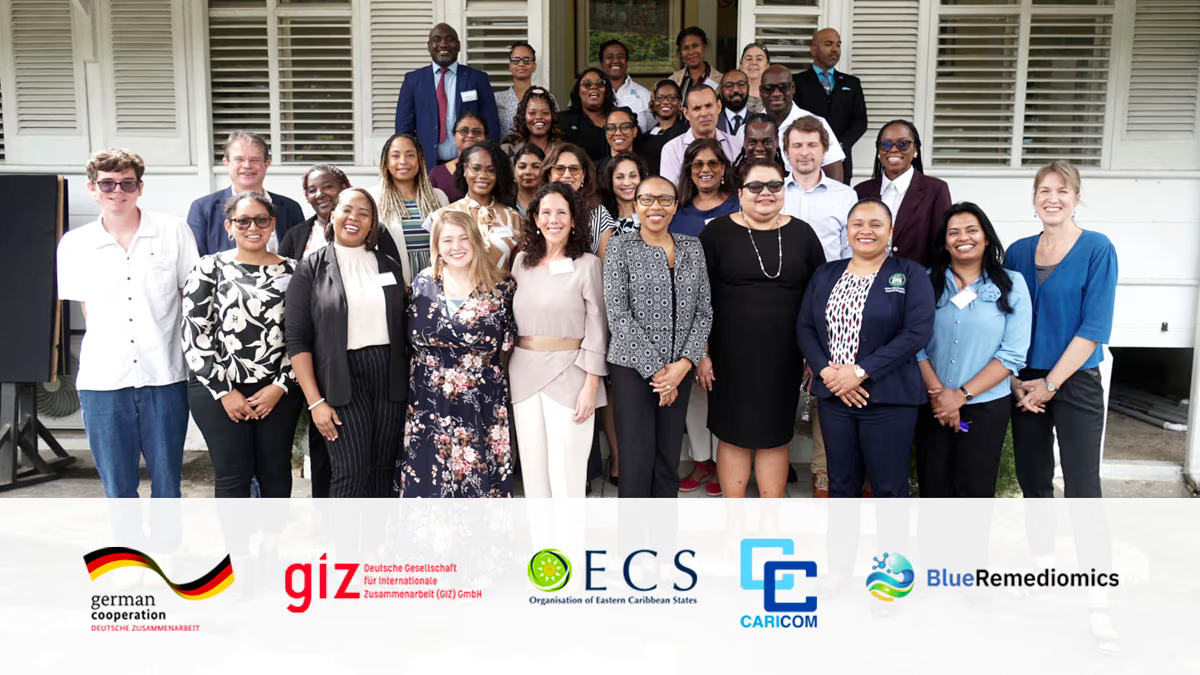
Regional Workshop Strengthens Caribbean Capacity on Genetic Resources
Regional policymakers, scientists, and biodiversity experts gathered from March 3-5, 2026, at The University of the West Indies (UWI), St.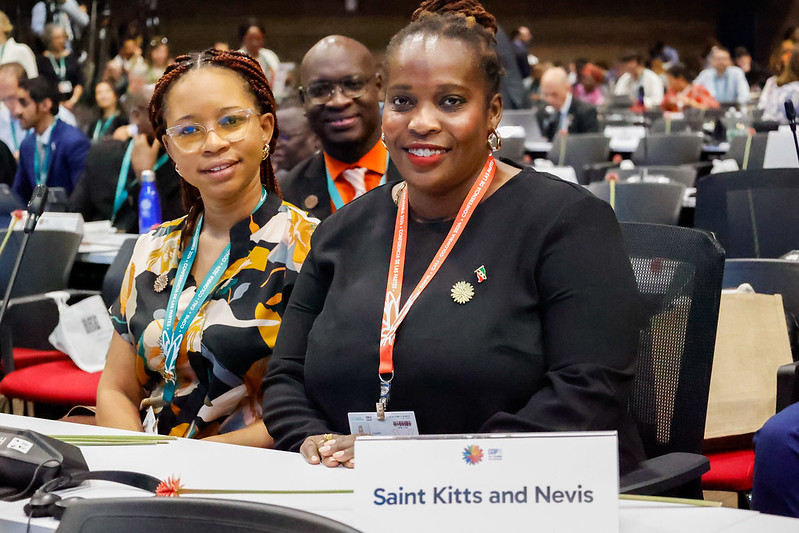
Statement by Hon. Dr. Joyelle Clarke, Minister of Sustainable Development, Environment, Climate Action and Constituency Empowerment of Saint Kitts and Nevis| High-Level Segment, 16th Meeting of the Conference of Parties of the UN Convention on Biological Diversity| Cali, Colombia| 30 October 2024
"The fight for biodiversity cannot be disentangled from the climate crisis. This is why our commitment to the Kunming-Montreal Biodiversity Framework is especially critical and why Saint KittsRelated Stories
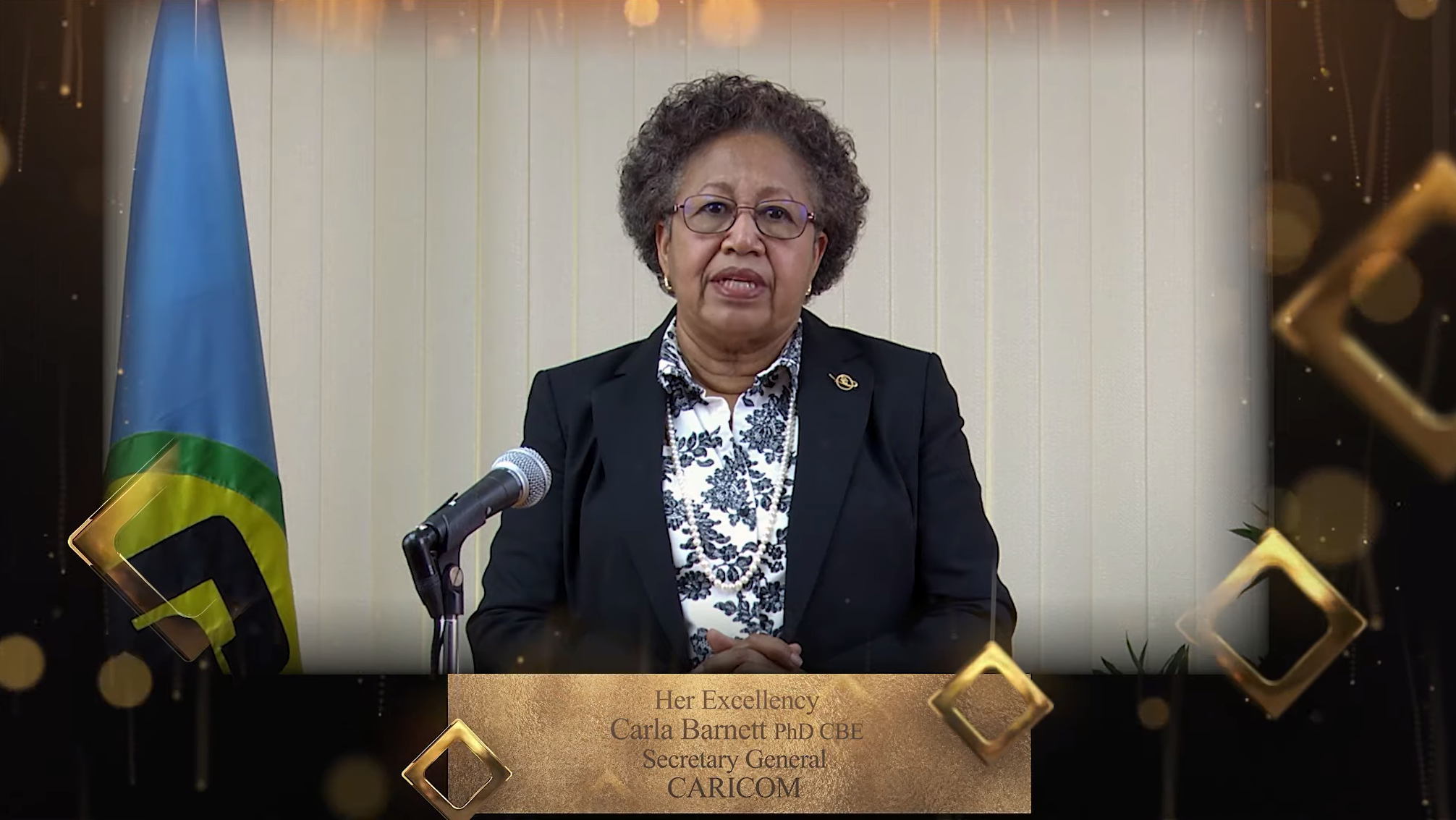
Remarks by CARICOM Secretary-General Dr. Carla Barnett to the Pioneering Caribbean Women Jurists Awards Ceremony, 8 March 2022
Her Excellency Paula-Mae Weekes, President of the Republic of Trinidad and Tobago; Honourable Mia Amor Mottley, Prime Minister of Barbados; Honourable Mr.