Governments can do better
GEORGETOWN, Guyana - Dr Moisés Naím, a senior associate at the Carnegie Endowment for International Peace, a global international relations think tank, was trade and industry minister of Venezuela in the early 1990s and then editor-in-chief of the acclaimed Foreign Policy journal for 14 years. His is a highly respected voice on international politics and economics and, in an article on June 23, in the Spanish daily, El País, for whom he is chief international columnist, he puts forward some interesting observations on the recent street protests in Turkey and Brazil, as well as the precursor movements in Tunisia and Chile. Dr Naím posits six common characteristics, which we think it useful to discuss.
The first is that the protests all had their origins in relatively small, localised events, which suddenly snowballed – much to the surprise of the demonstrators themselves and even more so, to that of the respective governments – into mass, national movements encompassing big issues such as corruption, inequality, the high cost of living and governance.
Secondly, without exception, the governments in question reacted badly, which, of course, only served to fan the flames of dissent. Perhaps because the protests were so surprising, governments were incapable of understanding their nature and their root causes. Thus, their clumsy responses were almost certainly responsible for the spontaneous combustion that followed – the more heavy-handed the official response, the more fiery the demonstrations.
You may also be interested in:
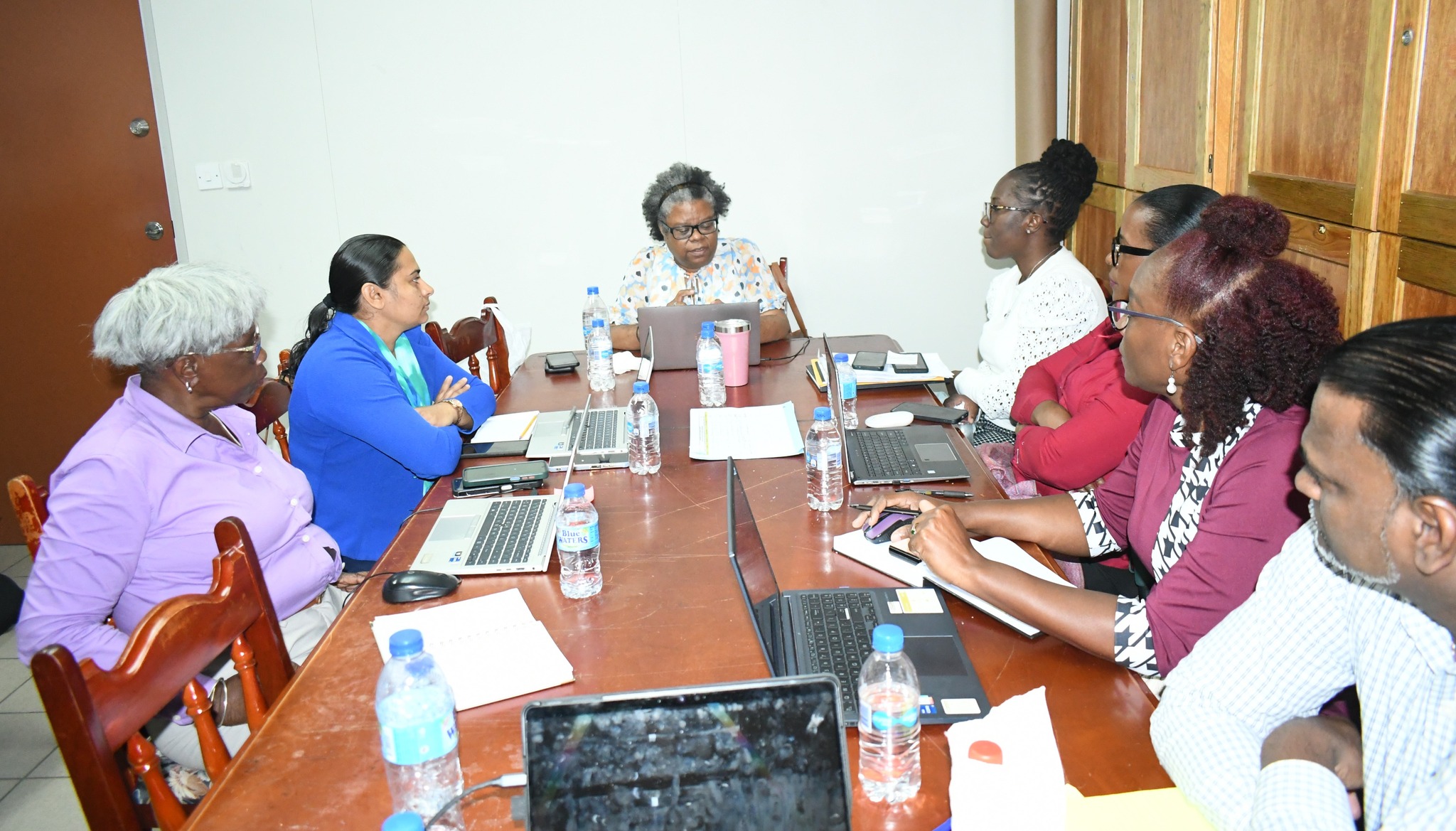
Stakeholders Engage in Consultations to Strengthen National Youth Policy
The Department of Youth Development and Sports, through its Youth Unit, has commenced a four-day series of half-day closed stakeholder consultations aimed at strengthening the development and imple