Global Fund convenes forum to help countries sustain projects
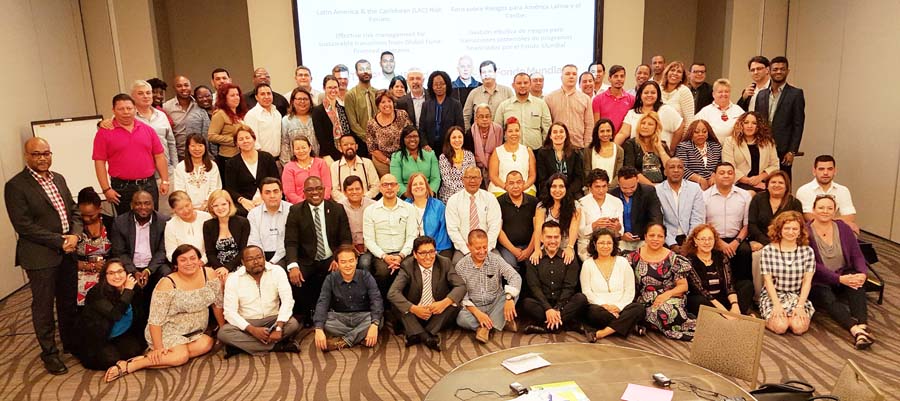
-dubbed ‘enlightening and rewarding’ by Ministry of Public Health, Dr. Karen Cummings
“It is always a challenge for countries to transition smoothly from internationally funded projects and to sustain them effectively to the benefit of the people…” This is according to Minister within the Ministry of Public Health, Dr. Karen Cummings.
She recently attended a Global Fund forum for principal administrators within the health sector throughout Latin America and the Caribbean. The forum was held in Panama last month.
According to Cummings, “Being able to explore ways to identify, reduce and ultimately avoid the risks associated with transition and sustainability, will better position the Ministry of Public Health to practically engage in transparent and accountable actions in the continuity of essential projects.”
Moreover, the Minister said that she was very pleased to have attended the forum which was very enlightening and rewarding.
Participants engaged each other at the two-day forum entitled: ‘Risk Forum: Effective risk management for sustainable transitions from Global Fund-financed programmes’. The objectives of the Implementers Risk Forum were to: Dialogue on Global Fund sustainability and transition policy and its integration with risk management; Prioritize risk factors associated with sustainability and transition from Global Fund-financed programmes in Latin America and the Caribbean (LAC); Share current approaches and good practices among LAC implementers (particularly civil society), Global Fund Secretariat and partners to mitigate sustainability-related risk factors; Discuss alignment opportunities across partners’ sustainability plans and strategies.
The presentations and discussions were focused mainly on Sustainability and Transition: Global Fund Policy and associated processes; Global Fund transition experiences; Risk Management approach and tools to effectively sustain Global Funded financed programmes; Key risks and mitigating actions associated with sustainability and transition. The last session provided opportunities for groups to discuss and agree on the key risks and mitigating actions associated with sustainability and transition.
The current investment of the Global Fund in the Caribbean Region for the period 2014-2017 is US$225,141,154 for three diseases. They are: HIV ($156,994,451), TB ($37,381,405) and Malaria ($30,765,707).
The forum was convened by The Developing Country NGO Constituency (DCNGO), with technical and funding support from The Global Fund, German BACKUP Initiative (GIZ), the Swiss Agency for Development and Cooperation (SDC) and AIDS Healthcare Foundation (AHF) and in collaboration with the Caribbean Vulnerable Communities Coalition (CVC).
The Global Fund to Fight AIDS, Tuberculosis and Malaria is an international financing organization that aims to attract and disburse additional resources to prevent and treat HIV and AIDS, tuberculosis and malaria.
Based on information from Global Fund, under the Global Fund financing model, each eligible country is allocated a certain amount of funding for each disease component for which they are eligible – AIDS, tuberculosis and/or malaria – for a three-year allocation period. Each country’s Country Coordinating Mechanism can submit concept notes to access this funding during any submission “window” during that period.
Allocations are approved by the Board of the Global Fund. In the 2014-2016 periods, the amounts allocated to each country have been based on a combination of disease burden and the country’s ability to pay (income level).
These initial amounts have then been adjusted based on a number of qualitative factors, including Previous grant performance, Impact, Increasing rates of infection, Absorptive capacity and Risk.
According to Global Fund, countries can make adjustments to show their overall allocation is divided among the diseases if needed, with the approval of the Global Fund. For example, a portion of the allocation for one disease can be used for another disease instead, or for many applicants some of the funding can be used to support health systems strengthening rather than a specific disease.
To access the final 15 percent of their allocation, countries must demonstrate increased national funding commitments above and beyond what is required by the Global Fund’s counterpart financing policy. This is also known as ”increasing future commitments” and formerly called “willingness to pay.”
The amount of funding available for allocation to countries is based on how much money is raised through the Global Fund’s replenishment process. Using the total amount of funding pledged, the Global Fund determines the amount of resources expected to be available over the three-year period.
Then, based on the Board decision that a specified percentage of all programme funding should initially go to HIV and AIDS, TB and malaria, the Global Fund will announce how much total funding is available for each eligible country and disease.
You may also be interested in:
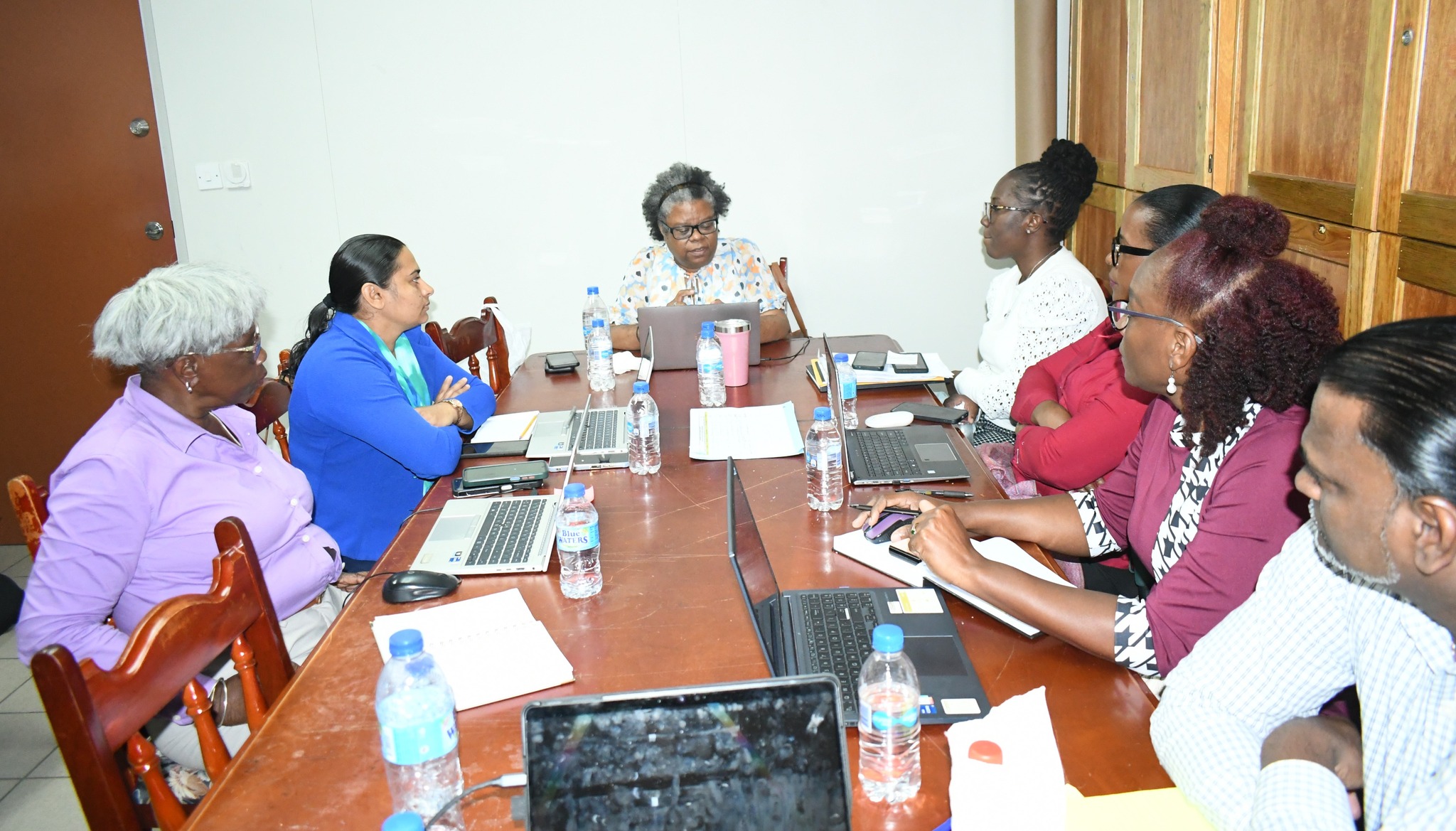
Stakeholders Engage in Consultations to Strengthen National Youth Policy
The Department of Youth Development and Sports, through its Youth Unit, has commenced a four-day series of half-day closed stakeholder consultations aimed at strengthening the development and...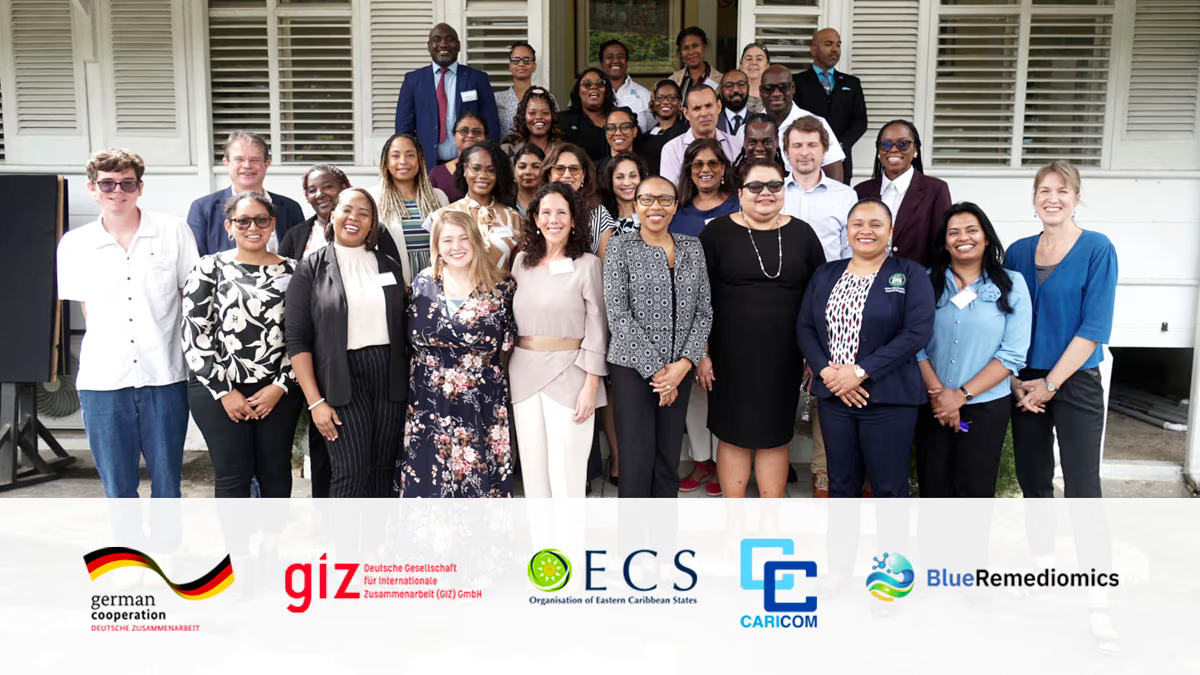
Regional Workshop Strengthens Caribbean Capacity on Genetic Resources
Regional policymakers, scientists, and biodiversity experts gathered from March 3-5, 2026, at The University of the West Indies (UWI), St.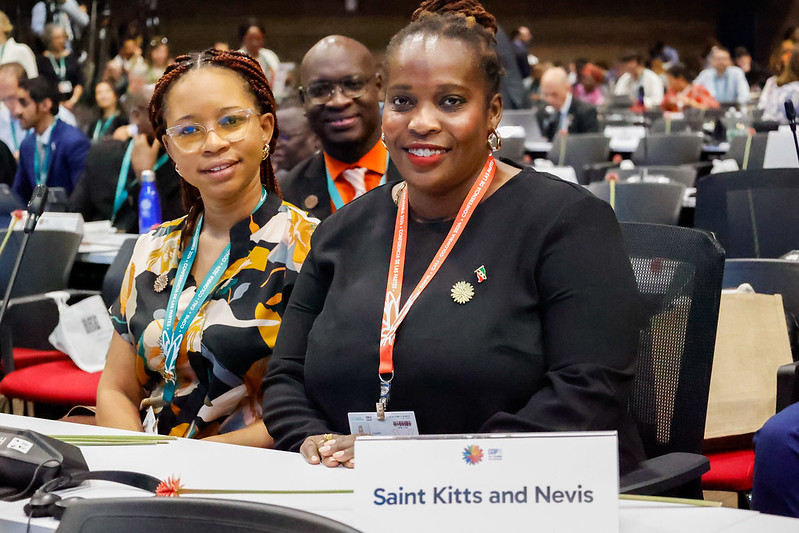
Statement by Hon. Dr. Joyelle Clarke, Minister of Sustainable Development, Environment, Climate Action and Constituency Empowerment of Saint Kitts and Nevis| High-Level Segment, 16th Meeting of the Conference of Parties of the UN Convention on Biological Diversity| Cali, Colombia| 30 October 2024
"The fight for biodiversity cannot be disentangled from the climate crisis. This is why our commitment to the Kunming-Montreal Biodiversity Framework is especially critical and why Saint KittsRelated Stories
Global Fund Stakeholders to discuss challenges affecting expansion of HIV, TB and Malaria responses at Regional Dialogue
Forum to maximise Learning, Coordination and Synergies among recipients of Global Fund Multi-Country Grants The Pan-Caribbean Partnership against HIV and AIDS (PANCAP), the mechanism that provides
REGION’S PUBLIC HEALTH BOOSTED BY PANCAP CAPACITY-BUILDING INITIATIVE
EIGHTEEN (18) CLINICAL AND PUBLIC HEALTH PRACTITIONERS COMPLETE THREE-MONTH COURSE ON CLINICAL MANAGEMENT OF HIV Thursday, 7 October 2021 (PANCAP Coordinating Unit, CARICOM Secretariat): The...