Getting past the chill in US-Russia relations
GEORGETOWN, Guyana, Stabroek News - Once US President Barack Obama had announced that the planned September one-on-one meeting with Russian President Vladimir Putin had been removed from his itinerary, the announcement was bound to become the subject of immediate and intense interest among foreign policy analysts, keen to contemplate the implications of the announcement for longer-term relations between Washington and Moscow. The cancellation of the summit was predictable. It was always likely that Vladimir Putin would hold on to what he regarded as a considerable propaganda coup arising out of the unlikely development of an American national security functionary tendering fear of official persecution in the US as a basis for seeking asylum in Moscow. During the Cold War era it used to be the other way around ‒ mostly. For its part, Washington had made no secret of its intention to make an issue out of the affair if it did not get Snowden back. Russia made its call and an already embarrassed US responded. The Obama administration had expended far too much political and diplomatic currency trying to retrieve Snowden from Moscow to take the asylum decision lying down. Saving face is a legitimate form of diplomatic behaviour. Neither the Americans nor the Russians are unfamiliar with the option. This is not, however, the era of the Cold War. While, predictably, the calling off of the planned Obama-Putin meeting has generated an element of hype in both the international media community and in global foreign policy circles, the hype will pass. The truth is that the whole business of calling off the summit had been a carefully choreographed affair, a measured decision on Washington’s part, designed to signal its displeasure over Moscow’s handling of the Snowden affair without creating a disproportionately serious rupture in bilateral relations with Russia.
You may also be interested in:
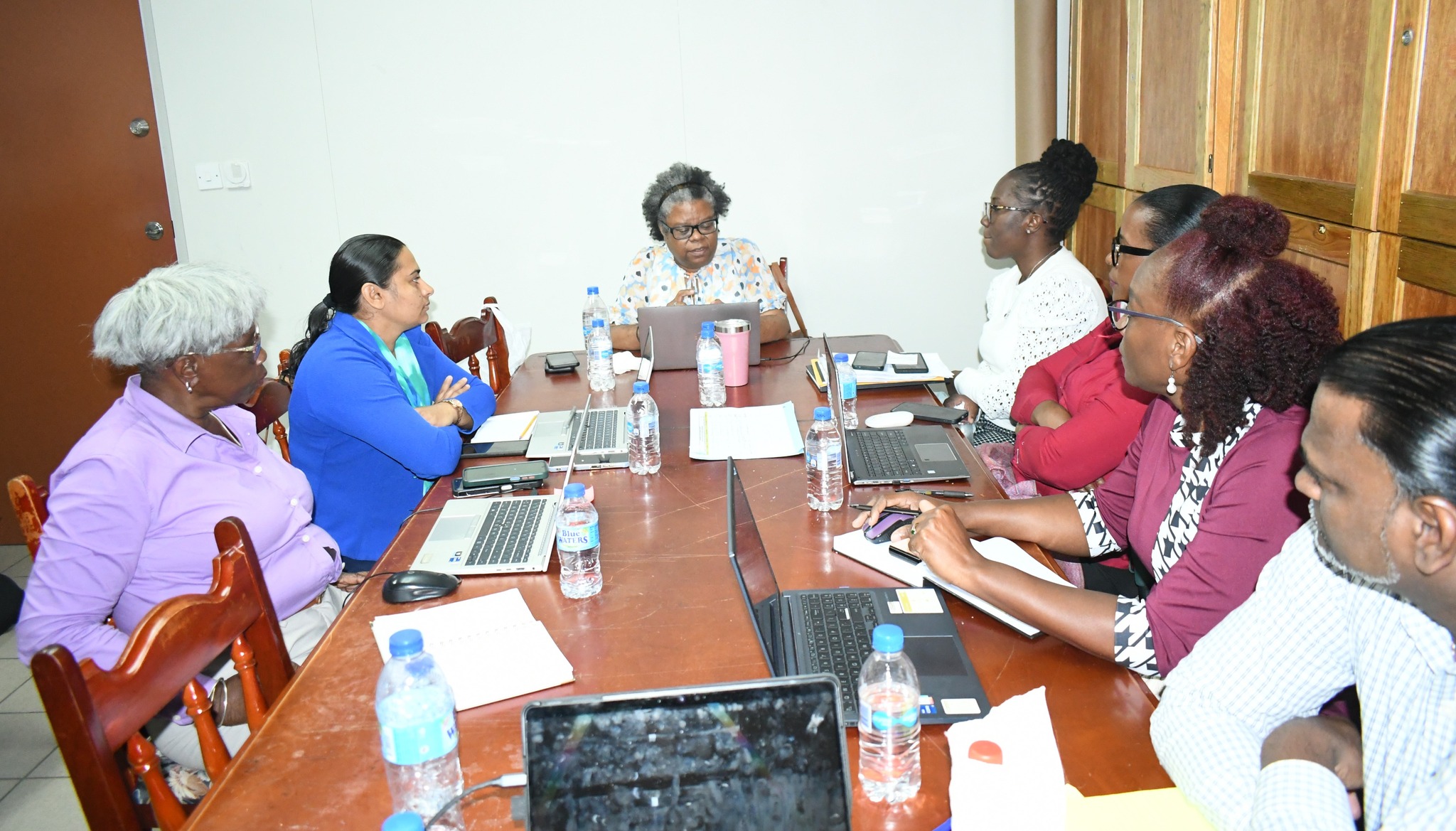
Stakeholders Engage in Consultations to Strengthen National Youth Policy
The Department of Youth Development and Sports, through its Youth Unit, has commenced a four-day series of half-day closed stakeholder consultations aimed at strengthening the development and imple