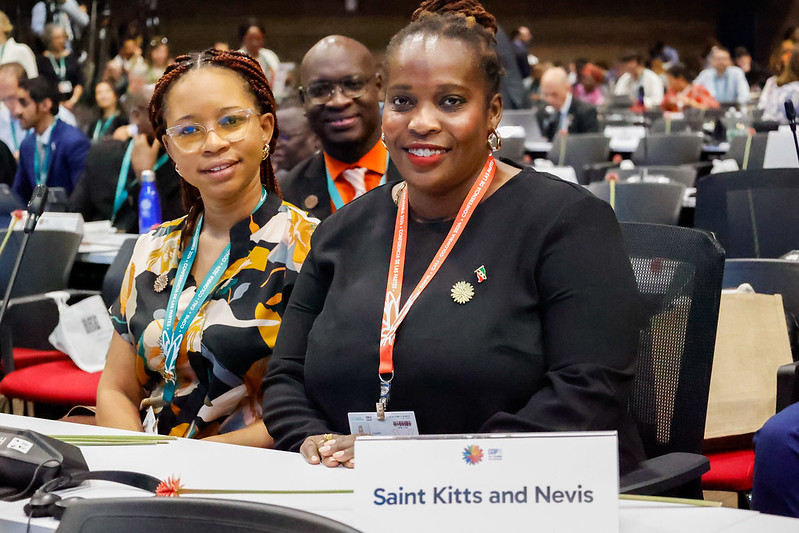
Get more youth involved
BRIDGETOWN, Barbados - The world’s population is expected to reach nine billion by 2025. If for no other reason, this fact should place the issue of food and water security at the top of any national agenda. How will all of these people be fed? Will we be able to produce enough food? How will we engage in the type of food economics that will ensure that no one country is wasting its surpluses while other countries remain starved? If we struggle to do this now, how much harder will it be in coming years, unless we change our approach?
We ask these questions knowing that despite many calls for a greater push to get persons producing more food locally, our youth – those who will be responsible for feeding our nations tomorrow – are not all inclined to get into what they perceive to be such “laborious” means of earning an income.
You may also be interested in:
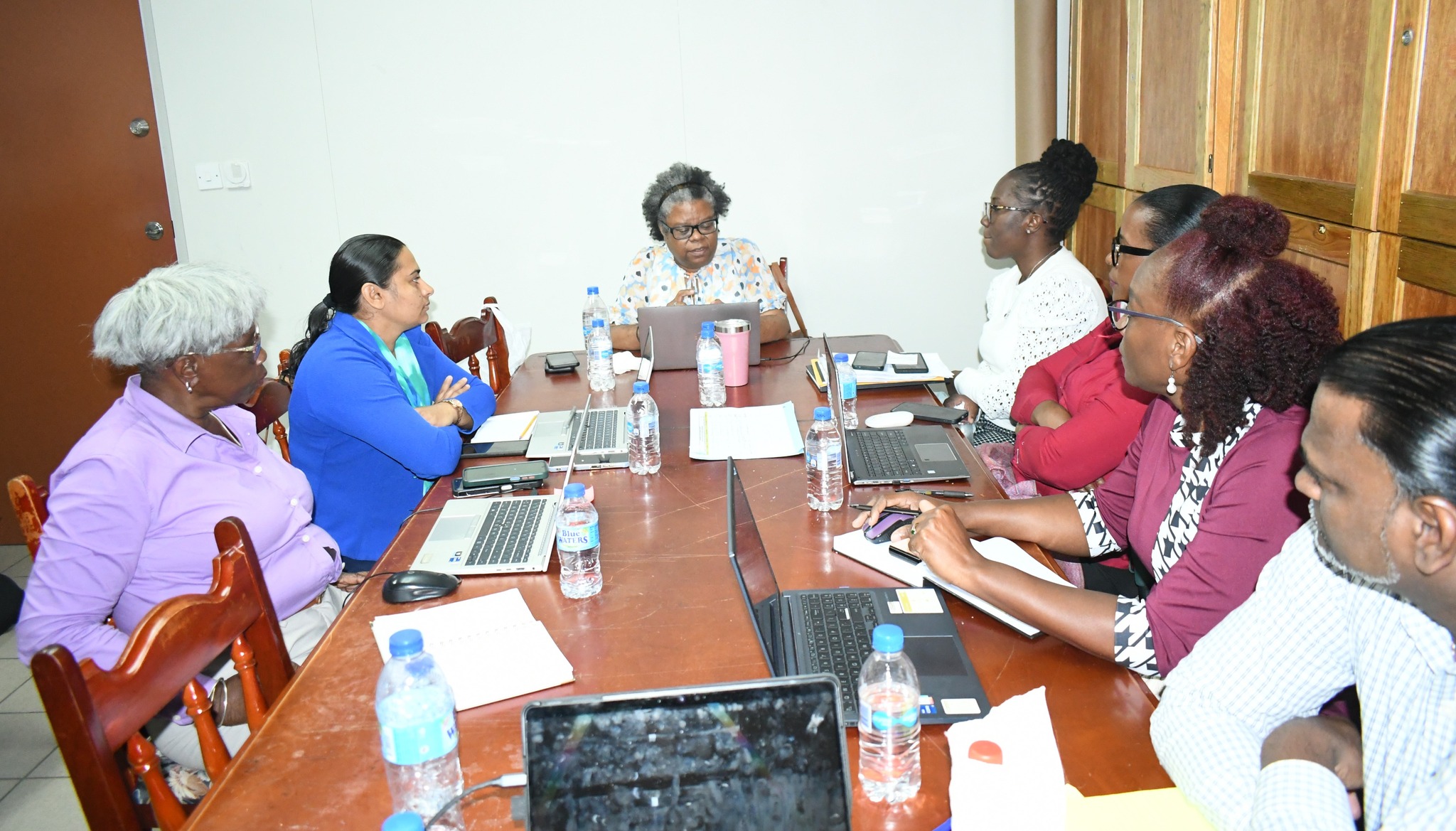
Stakeholders Engage in Consultations to Strengthen National Youth Policy
The Department of Youth Development and Sports, through its Youth Unit, has commenced a four-day series of half-day closed stakeholder consultations aimed at strengthening the development and...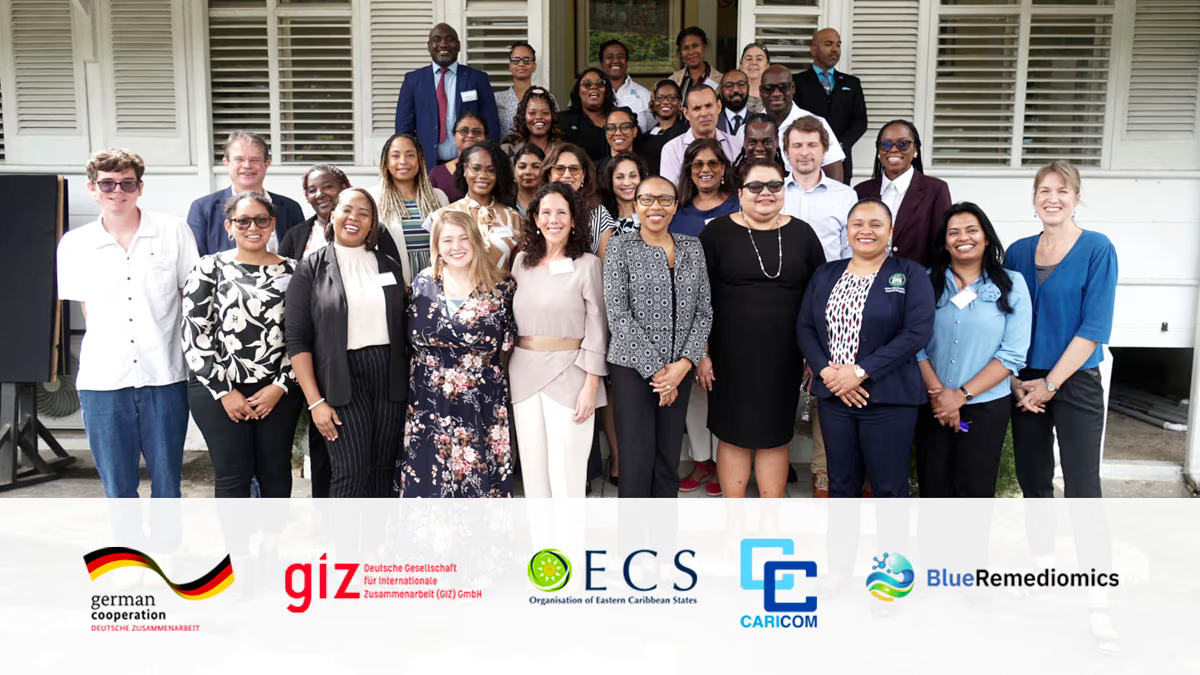
Regional Workshop Strengthens Caribbean Capacity on Genetic Resources
Regional policymakers, scientists, and biodiversity experts gathered from March 3-5, 2026, at The University of the West Indies (UWI), St. Augustine Campus in Trinidad and Tobago, for a three-day...