From farm to fork: improving nutrition in the Caribbean
GEORGETOWN, Guyana- Researchers from universities in Canada and the Caribbean will discuss improvements in the region's agriculture and nutrition during the Caribbean Week of Agriculture (CWA2013): Linking the Caribbean for Regional Food and Nutrition Security and Rural Development, to be held in Guyana, October 4-12, 2013.
Since 2011, researchers from the University of the West Indies in Trinidad and Tobago and McGill University in Canada have been working together to improve to improve food production in the region, as well as the nutrition and health of CARICOM populations. The project is funded under the Canadian International Food Security Research Fund (CIFSRF), a CA$124 million program that supports partnerships between Canadian and developing-country researchers to increase food security through applied research in agriculture and nutrition.
The From farm to fork: improving nutrition in the Caribbean project seeks to address rising obesity rates in the region, due in large part to the limited attention Caribbean countries have paid to local food production. As a result, there is a high dependence on imports of high-calorie, low-nutrition foods. This has created a paradox of obesity and poor nutrition, which threatens people's health throughout the region.
You may also be interested in:
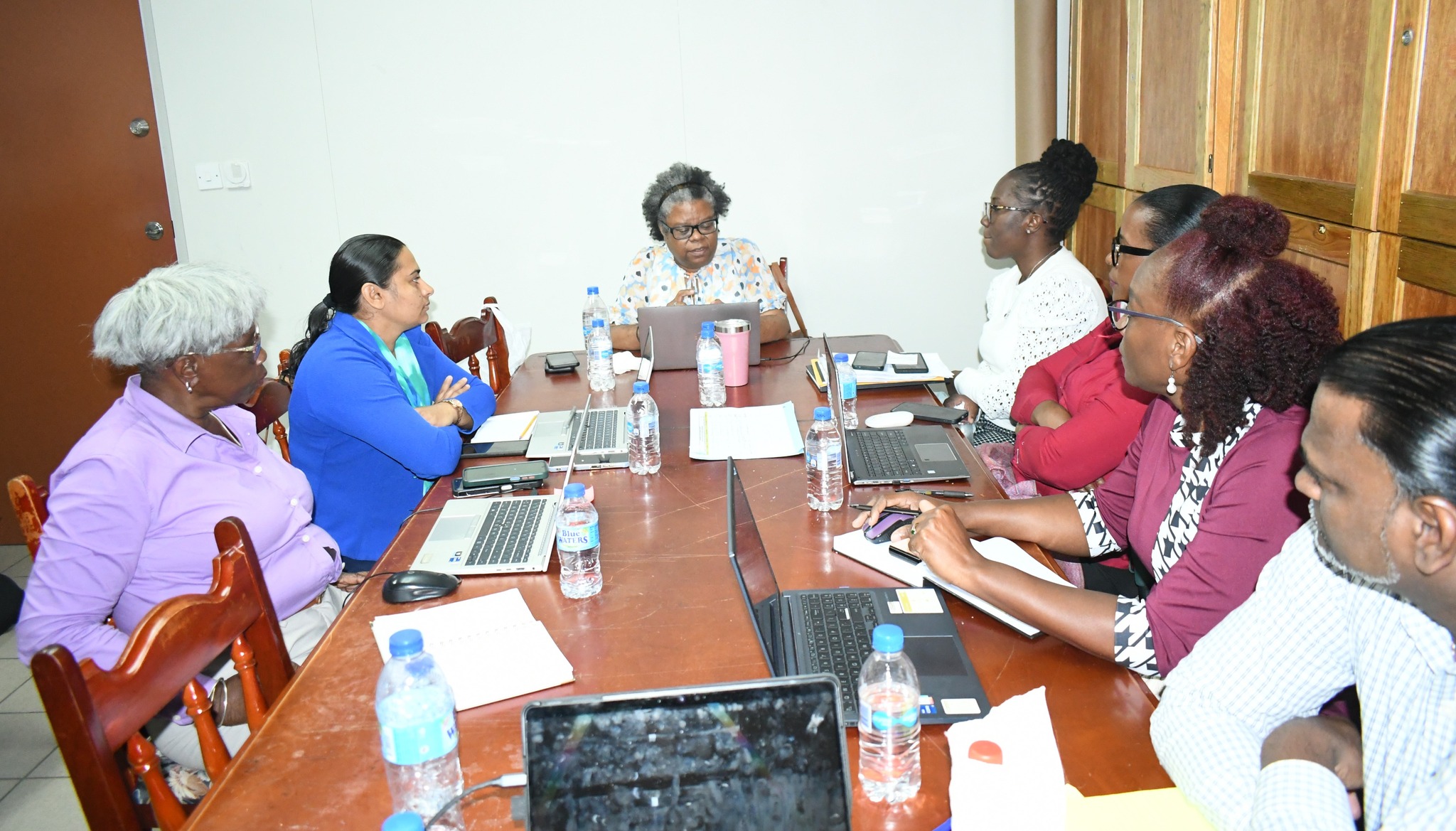
Stakeholders Engage in Consultations to Strengthen National Youth Policy
The Department of Youth Development and Sports, through its Youth Unit, has commenced a four-day series of half-day closed stakeholder consultations aimed at strengthening the development and imple