FAO promoting cassava root as a food crop in Caribbean
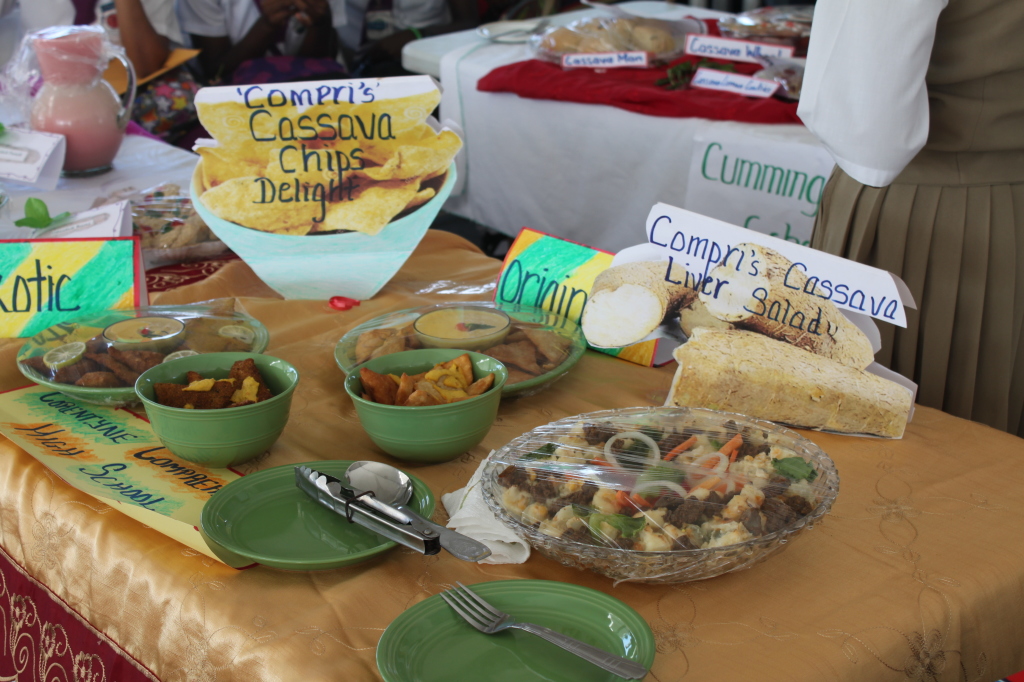
BRIDGETOWN, Barbados, March 15, 2015—The Food and Agriculture Organization’s Sub-Regional Office for the Caribbean is intensifying its promotion of the cassava root as a food crop in the region.
The FAO is using opportunities such as the recent Barbados Agrofest to dispel myths associated with the cassava, and to promote its wide-ranging health benefits and diversity in food use.
Cassava, which is often classified as either “sweet” or “bitter” depending on the levels of naturally-occurring quantities of cyanide within the root, is toxic if consumed raw, or if improperly prepared.
With the increased availability of foreign substitutes over time, the appetite for the root is waning among younger generations – as is the knowledge of how to properly prepare it.
Local chefs have demonstrated the correct methods of preparing the root, and extolled the gluten-free crop as an alternative to wheaten flour, while praising its high protein and carbohydrate content.
The chefs have also demonstrated the versatility of the crop, using it as the main ingredient in several breakfast, lunch dessert options.
Benefits of cassava: In his remarks at the cooking demonstrations, the FAO’s Coordinator for the Caribbean, Dr. Deep Ford, emphasised that an increased use of locally grown crops such as cassava would help to reduce CARICOM’s Food Import Bill, which stands at over US $4 billion.
He also added that a wide adoption of the crop would also contribute to local job creation at the production, processing and marketing levels.
A number of the FAO’s personnel were also on hand to offer advice to the booth’s visitors on planting, cooking and consuming the crop. Among the personnel in attendance at the information booth was FAO’s Regional Cassava Project Coordinator, Ms. Vermaran Extavour, who explained that the main variety of cassava grown in the Caribbean is the sweet variety. She further reiterated that both the bitter and sweet varieties were safe to eat once cooked at temperatures of above 30° C.
Cassava and regional food imports: The FAO is actively involved in ensuring the inclusive development of the cassava industry in CARICOM, and is seeking to ensure the establishment of linkages for increasing productivity and competitiveness along the cassava value-chain in the region.
According to the agency, cassava has the potential to replace 400,000 metric tons of wheaten flour in CARICOM countries; substitute up to 30% of the corn in poultry rations as well as a portion of other animal feeds, and contribute to a reduction of the Food Import Bill by approximately 5 per cent.
You may also be interested in:
Stakeholders Engage in Consultations to Strengthen National Youth Policy
The Department of Youth Development and Sports, through its Youth Unit, has commenced a four-day series of half-day closed stakeholder consultations aimed at strengthening the development and...
Regional Workshop Strengthens Caribbean Capacity on Genetic Resources
Regional policymakers, scientists, and biodiversity experts gathered from March 3-5, 2026, at The University of the West Indies (UWI), St.
Statement by Hon. Dr. Joyelle Clarke, Minister of Sustainable Development, Environment, Climate Action and Constituency Empowerment of Saint Kitts and Nevis| High-Level Segment, 16th Meeting of the Conference of Parties of the UN Convention on Biological Diversity| Cali, Colombia| 30 October 2024
"The fight for biodiversity cannot be disentangled from the climate crisis. This is why our commitment to the Kunming-Montreal Biodiversity Framework is especially critical and why Saint KittsRelated Stories
Momentum accelerating towards fulfilling Region’s agriculture potential and food security
Raymond is passionate about farming. He is not one to simply plant a seed and expect it to grow, but he gets literally to the root of the science behind its growth.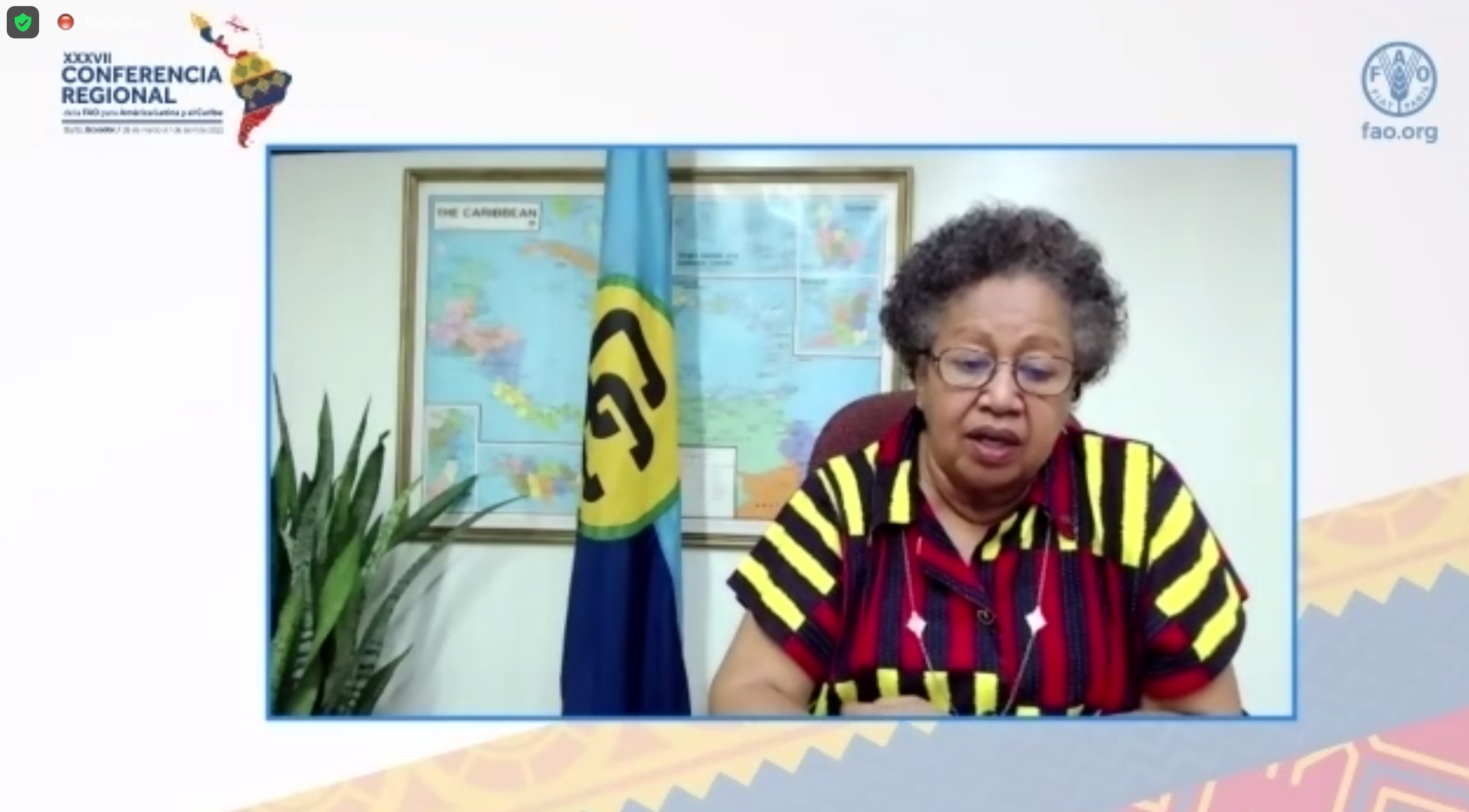
Remarks by CARICOM Secretary-General Dr Carla Barnett at the Meeting of Ministers of Agriculture of the Andean Community (CAN) and the Caribbean Community (CARICOM) being held during the Thirty-Seventh Session of the FAO Regional Conference for Latin America and the Caribbean
Distinguished Chair;Honourable Ministers;Delegates;Ladies and Gentlemen.