FAO presents plan for eradicating hunger in Latin America and the Caribbean
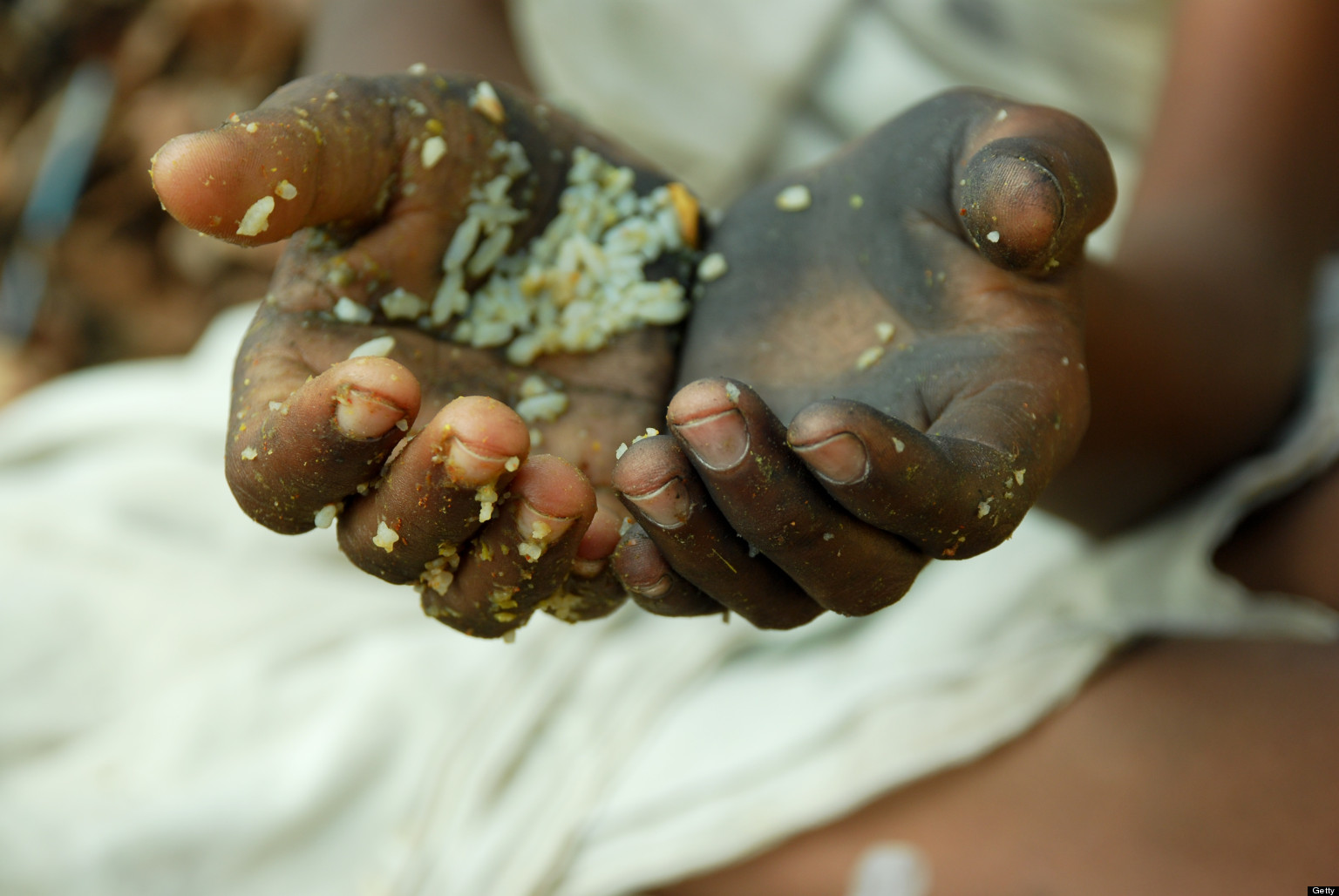
Fight against hunger and poverty on the table at the Community of Latin American and Caribbean States summit.
27 January 2015, San José, Costa Rica - Today FAO Director-General José Graziano da Silva presented a new regional Plan for Food Security, Nutrition and Hunger Eradication by 2025 during a summit of the Community of Latin American and Caribbean States (CELAC) taking place here.
"This proposal is a tool to help CELAC countries design national plans to transform their commitment to eradicating hunger and extreme poverty in the region into a reality," said Graziano da Silva.
The plan was developed by FAO -- with support from the Latin American Integration Association (ALADI) and the Economic Commission for Latin America and the Caribbean (ECLAC) -- at the request of CELAC governments. It is based on four broad pillars: strategy coordination at the national and regional levels, with a special focus on gender issues; sustainably ensuring access to safe and nutritious foods; widening school feeding programmes with a priority on addressing all forms of malnutrition, from undernutrition to obesity, and; tackling the challenges posed to food security by climate change.
The plan brings together successful experiences in the region, with an eye to facilitating their application in other parts of the world, and seeks to identify and establish linkages that can generate "virtuous circles of development." An example is linking family farming with school feeding programmes.
Regional achievements
According to FAO, Latin America and the Caribbean represent the only region in the world which has collectively achieved the first Millennium Development Goal of halving the proportion of people who suffer from hunger by 2015. And the region is set to reach the more stringent World Food Summit goal of halving the total number of undernourished people.
FAO's representative to Latin America and the Caribbean, Raúl Benítez, highlighted that "political commitment to food security is what makes the difference between Latin America and the Caribbean and other regions". This commitment is "expressed through a variety of strategies and public policies focused on vulnerable populations," he added.
Benítez noted that the region was a pioneer in proposing to eradicate hunger eradication by 2025, leading to the Hunger-Free Latin America and the Caribbean Initiative, endorsed by all countries of the region in 2005.
You may also be interested in:
Stakeholders Engage in Consultations to Strengthen National Youth Policy
The Department of Youth Development and Sports, through its Youth Unit, has commenced a four-day series of half-day closed stakeholder consultations aimed at strengthening the development and...
Regional Workshop Strengthens Caribbean Capacity on Genetic Resources
Regional policymakers, scientists, and biodiversity experts gathered from March 3-5, 2026, at The University of the West Indies (UWI), St.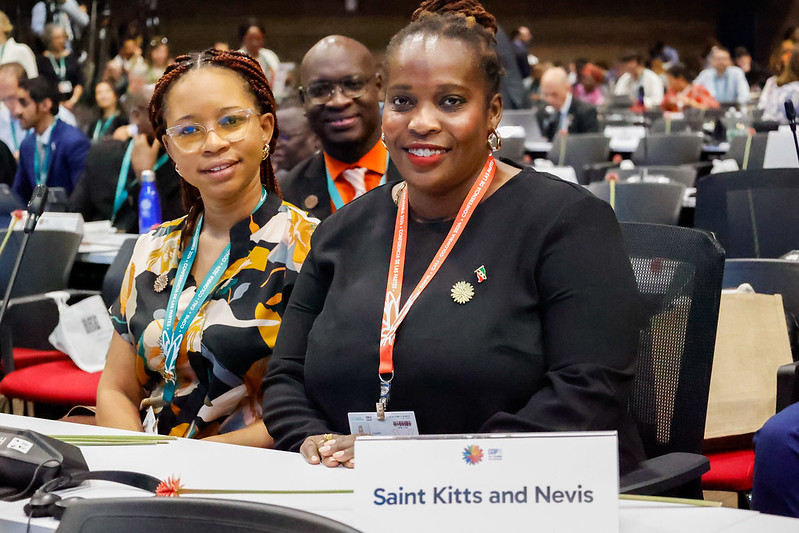
Statement by Hon. Dr. Joyelle Clarke, Minister of Sustainable Development, Environment, Climate Action and Constituency Empowerment of Saint Kitts and Nevis| High-Level Segment, 16th Meeting of the Conference of Parties of the UN Convention on Biological Diversity| Cali, Colombia| 30 October 2024
"The fight for biodiversity cannot be disentangled from the climate crisis. This is why our commitment to the Kunming-Montreal Biodiversity Framework is especially critical and why Saint KittsRelated Stories
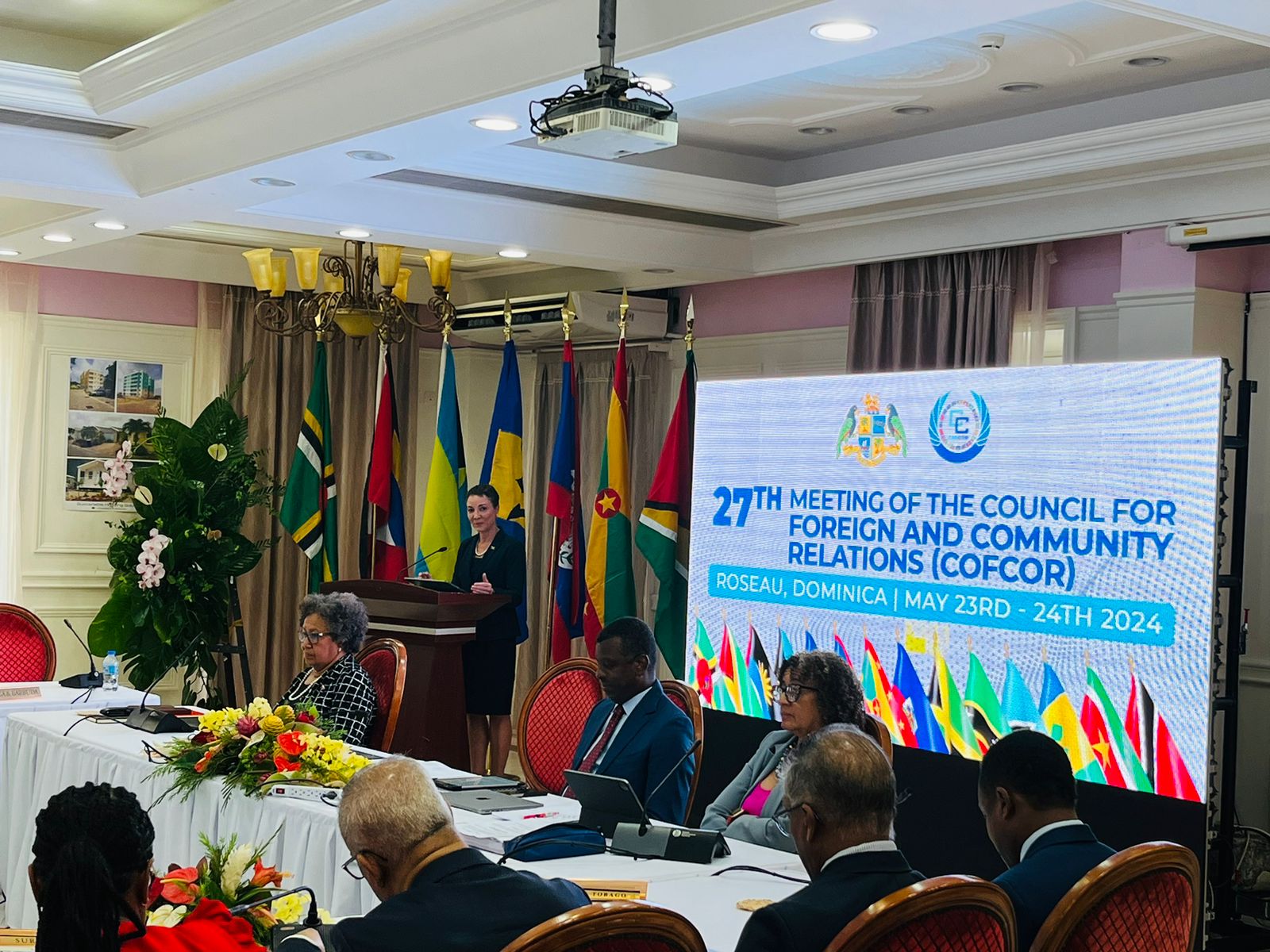
Remarks by the Outgoing Chair of the Council for Foreign and Community Relations (COFCOR), Senator the Hon. Kamina Johnson Smith, Minister of Foreign Affairs and Trade of Jamaica, at the Opening Ceremony of the Twenty-Seventh Meeting of COFCOR, 23 May 2024, Roseau, Dominica
Dr. Carla Barnett, Secretary-General of the Caribbean Community (CARICOM); Honourable Dr.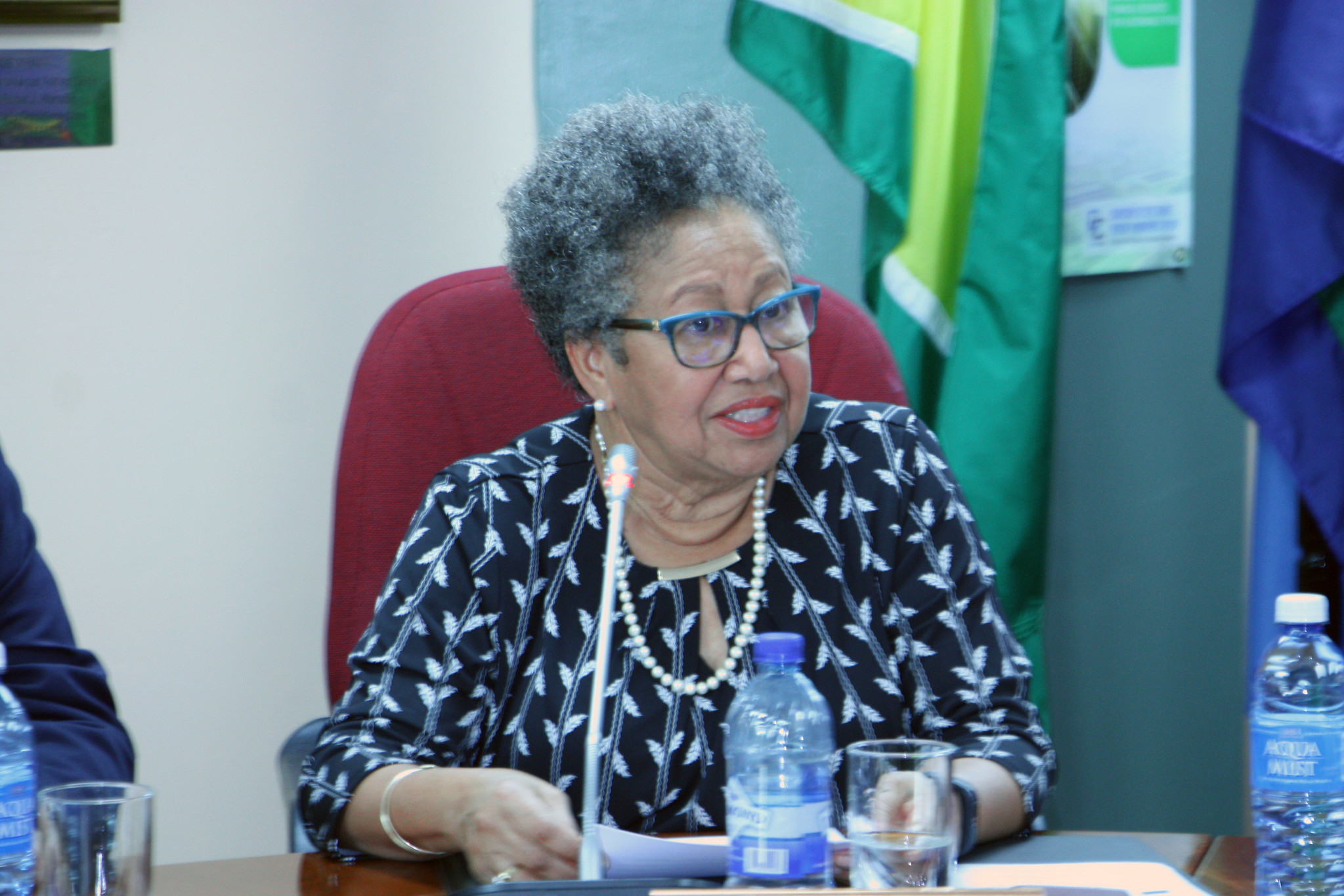
Remarks by Dr Carla N. Barnett, Secretary-General CARICOM/CARIFORUM, at the Launch of the EU-CARIFORUM Food Security Programme, CARICOM Secretariat, Guyana, 23 November 2023
Honourable Zulfikar Mustapha, Minister of Agriculture of Guyana; Ms.