Faith-Based Organisations commit to prevent spread of HIV/AIDS
(CARICOM Secretariat, Georgetown, Guyana)Approximately 100 leaders from Faith-based Organisations (FBOs) across the Caribbean Community (CARICOM) committed themselves to cooperate with and actively support governmental, non-governmental and other agencies, and people living with HIV/AIDS in an effort to prevent the spread of HIV/AIDS and to provide care, support and treatment to people infected with and affected by the disease.
The FBOs drawn from the Baha’i, Christian, Hindu, Muslim, and Rastafarian faiths made this commitment when they met at Champions for Change II: Regional Conference of FBOs, in Georgetown, Guyana on November 22-23. The Conference sponsored by the UK Department for International Development (DFID) with support from the UN agencies, United Nations Population Fund (UNFPA) and the Joint United Nations Programme on HIV/AIDS (UNAIDS) is a follow-up to the St. Kitts and Nevis Conference which involved representatives from a number of sectors in the Region and which came up with a Framework for a Plan of Action to deal with the issue of HIV/AIDS stigma and discrimination in the Region.
One of the highlights of the Conference was a presentation by Canon Gideon Byamugisha of Uganda, the first practicing priest to break the silence about his HIV + status. The presentation titled “Culture, Gender and Faith-based Organisations in relation to Stigma and Discrimination in HIV/AIDS” essentially sought to establish that HIV is preventable, manageable and that FBOs did not need to resolve all doctrinal and theological differences in order to form a partnership for defeating HIV/AIDS.
One of the major sources of reference for delegates was a document produced by the Caribbean Conference of Churches (CCC) on guidelines for Faith-based Organisations in developing policies and action plans to deal with HIV/AIDS. Another was the Caribbean Regional Strategic Framework for the Pan Caribbean Partnership Against HIV/AIDS (PANCAP).
It was agreed that this Conference would act as a catalyst for deepening the dialogue on HIV/AIDS within and among Faith-based Organisations, focus its follow up on educating its membership, engaging youth and other vulnerable groups, and incorporating people living with HIV/AIDS in the planning and advocacy for reducing stigma and discrimination. This includes support for model legislation and for behaviour change in the places of worship, the workplace, schools and communities.
Among the major outcomes of this conference were
- A Declaration of Commitment of FBOs targeted at specific actions and aimed specifically at the reduction of stigma and discrimination within the various faith-based bodies, with outreach to the wider national and regional communities.
- Making the declaration available across the Caribbean to wider audience and to highlight its major resolutions during the period coinciding with World AIDS Day.
- Symbolising the connection between the Conference and the wider communities in the Caribbean by designating 25 Champions for Change during the period of World AIDS Day across 10 countries, that were involved in a process of nomination and selection involving denominational and national consultations.
- Highlighting the main issues involved in reducing stigma and discrimination by special sermons during the period leading up to and following World AIDS Day.
- The Development of a Plan of Action based on the recommendations of five working groups which presented priorities and activities with respect to advocacy, training, care and support, counselling, and mobilising resources.
- Establishment of an Executive Committee of Faith-based Organisations coordinated by the Caribbean Council of Churches in collaboration with CARICOM/PANCAP to guide the implementation of short and medium term strategies.
- Establishment of a database of advocates within Faith-based Organisations.
- Sharing information through the PANCAP monthly Enews and other publications.
During the meeting most delegates made pledges to contribute toward the reduction of stigma and discrimination and will report to CARICOM/PANCAP on the status of these pledges.
It was also agreed that specific timelines be established to assess the impact of the Plan of Action which would include a progress report to the Annual General Meeting of PANCAP in October 2006.
You may also be interested in:
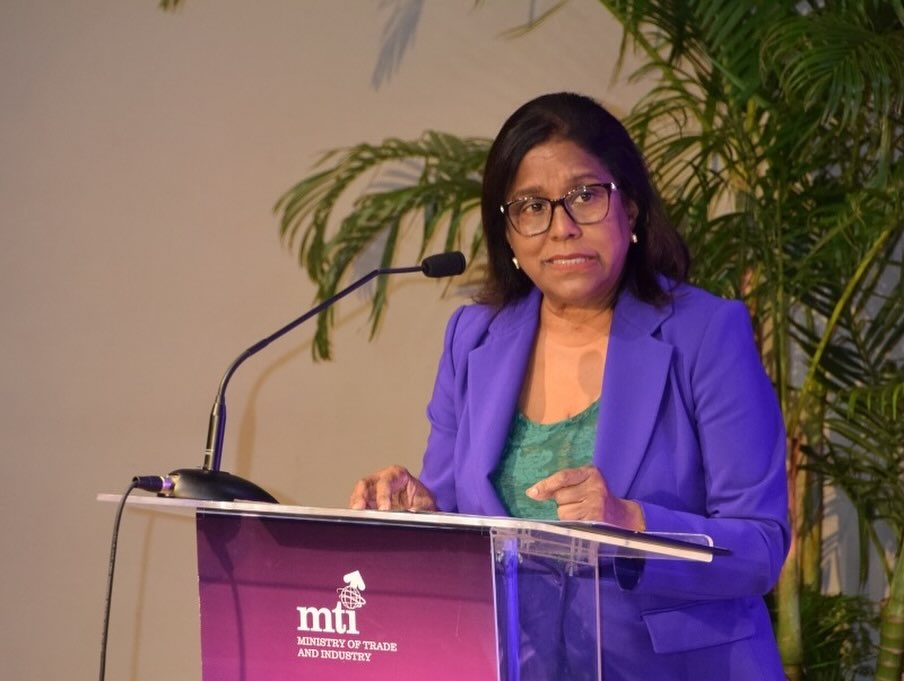
Remarks by Senator the Hon. Paula Gopee-Scoon, Minister of Trade and Industry of Trinidad and Tobago, and Chair of the Council for Trade and Economic Development (COTED), at a meeting with Ambassador Katherine Tai, U.S. Trade Representative, 2 August 2024.
Let me first express my extreme delight in joining Minister Todd and representatives of the CARICOM Secretariat in welcoming Ambassador Tai to Guyana and CARICOM.