Statement on Expectations of Small, Vulnerable Economies from The Doha Development Agenda to the 6th WTO Ministerial Conference, 13-18 December 2005, Hong Kong
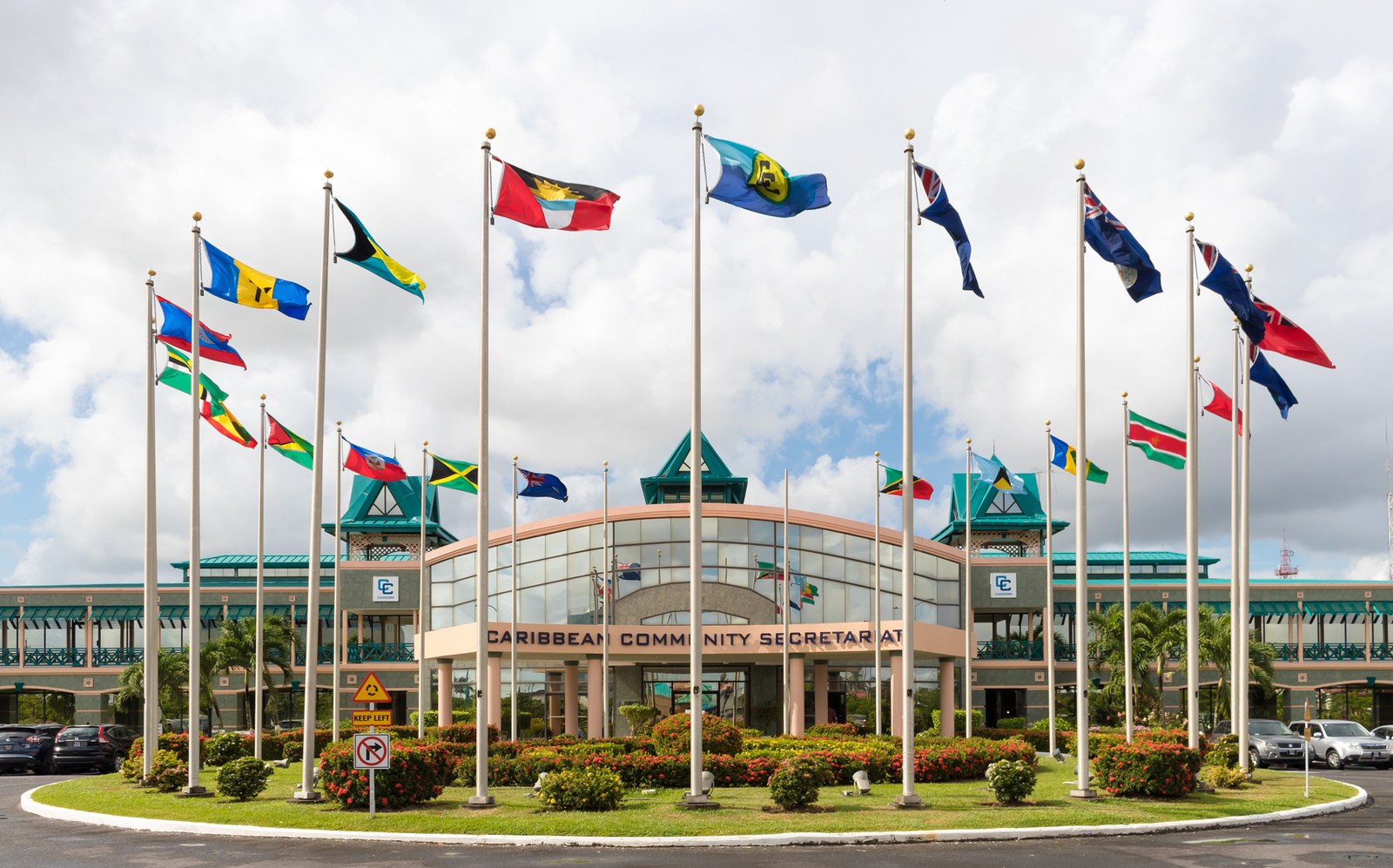
(CARICOM Secretariat, Turkeyen Greater Georgetown, Guyana)Small, vulnerable economies have, for the last four years, been working with the wider membership of the WTO to ensure that the Doha mandate on small, vulnerable economies, which was agreed to by all Ministers at the Doha Ministerial Conference, is respected and meaningful solutions found to the trade related problems and concerns of these economies.
The particular characteristics of small, vulnerable economies have made it difficult for them to benefit from global trade in an equitable and sustainable manner. Each of these economies has a minimum share of world trade but continues to contribute to the development of a multilateral rules based trading system and to accept commitments consistent with their capacity.
Over the past few months, there have been some very constructive discussions in the WTO on the subject of small, vulnerable economies. The proponents have tabled a number of general and administrative documents. In addition, the proponents have made specific proposals in the negotiating and other bodies of the WTO. Documents and/or negotiating proposals have been tabled in the negotiating bodies on non-agriculture market access, agriculture, services and rules. Additional proposals are being currently prepared.
The work by the proponents has enhanced the profile of the small, vulnerable economies and has also raised the stakes for the WTO to urgently and meaningfully agree to trade related solutions to the trade related issues of these economies.
Small, vulnerable economies emphasize that this 6th Ministerial Conference must specifically chart the way forward for the small, vulnerable economies in the Doha negotiations and in the Work Programme and also reaffirm the membership’s full commitment to engage on this issue to ensure the realisation of the mandate.
Communication from Antigua and Barbuda, Barbados, Bolivia, Cuba, Dominica, Dominican Republic, El Salvador, Fiji, Grenada, Guatemala, Honduras, Jamaica, Mauritius, Mongolia, Nicaragua, Paraguay, Papua New Guinea, Solomon Islands, St. Kitts and Nevis, Saint Lucia, St. Vincent and the Grenadines, Trinidad and Tobago
You may also be interested in:
La CSME, la seguridad alimentaria y la financiación climática encabezan la agenda de la Cumbre de CARICOM en las Bahamas.
The CARICOM Single Market and Economy (CSME); food security; climate change and climate finance; health; and security will be among the major topics when Heads of Government of