FORGET ABOUT TURF AND COLLABORATE, SAYS CARICOM OFFICIAL CARICOM-UNASUR HIGH LEVEL YOUTH EXCHANGE
(CARICOM Secretariat, Turkeyen, Greater Georgetown, Guyana) “Nations need to move beyond trivial nationalistic turf and collaborate or perish.”
This was the strong word from the Officer in Charge of Human and Social Development at the Caribbean Community (CARICOM) Secretariat Ms. Myrna Bernard as she addressed the opening ceremony of the two-day inaugural CARICOM-UNASUR High Level Youth Exchange hosted by the President of the Republic of Suriname on Thursday.
Ms. Bernard asserted that globalization had forced nations to collaborate and “giants to learn to dance.” She stated that in this small global village there was no room for “turfism” but opportunities for groupings to forge partnerships and collaborate for their own sustainability and survival.
She told more than 100 youth leaders and other delegates gathered at the Torarica Hotel in Paramaribo, Suriname that it was time to stop viewing emerging groups as threats and “move beyond trivial nationalistic turf to assess and embrace as you find appropriate, the integration of global ideas, skills and cultures.”
“A perspective which causes us to view new groupings such as UNASUR as vehicles through which we can forge collaboration and partnerships for mutual sustainability in a globalized Community, is therefore one to be encouraged,” she stated, also noting that Suriname and Guyana were both Members of CARICOM and UNASUR.
The High Level Youth Exchange was convened to develop a framework for cooperation between young people of both regions – cooperation in areas of integrative regional youth policies, youth leadership and governance structures; and build leadership capacity and explore solutions to the many issues and challenges which youth of the two regions might have in common. The Meeting hoped to spawn a framework for a regional youth policy and deepened relations between both regions.
According to Ms. Bernard, the framework should serve as a youth vision of collaboration and inform the design of future cooperation.
Ms. Bernard also stressed the importance of youth participation, noting that it was an important strategy to empower young people to define and articulate concerns of interest to them and to design, negotiate and implement solutions to those concerns.
“Meaningful youth participation” she added, “reduces the incidence of youth marginalisation, alienation and exclusion and enhances the relevance and responsiveness of development policies and programmes.”
You may also be interested in:
La CSME, la seguridad alimentaria y la financiación climática encabezan la agenda de la Cumbre de CARICOM en las Bahamas.
The CARICOM Single Market and Economy (CSME); food security; climate change and climate finance; health; and security will be among the major topics when Heads of Government of CARICOM Meet in The.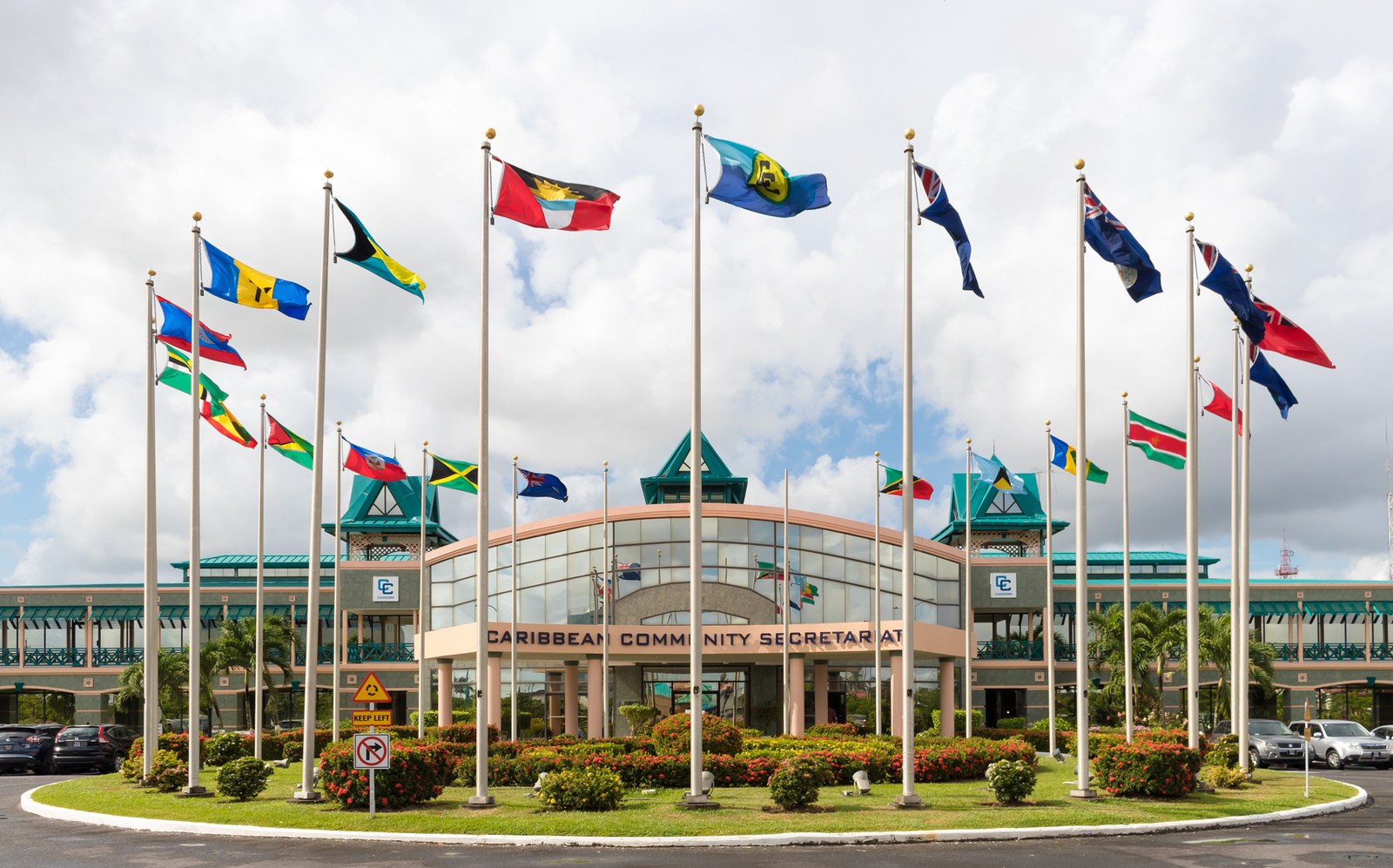
La Secretaría de CARICOM y la Agencia Caribeña para Soluciones de Justicia (CAJS) forjan una alianza para acelerar la transformación digital.
The CARICOM Secretariat (CCS) and the Caribbean Agency for Justice Solutions (CAJS) have come together in a significant partnership aimed at advancing digital transformation and enhancing service..