Consumption of home-grown products being encouraged by FAO
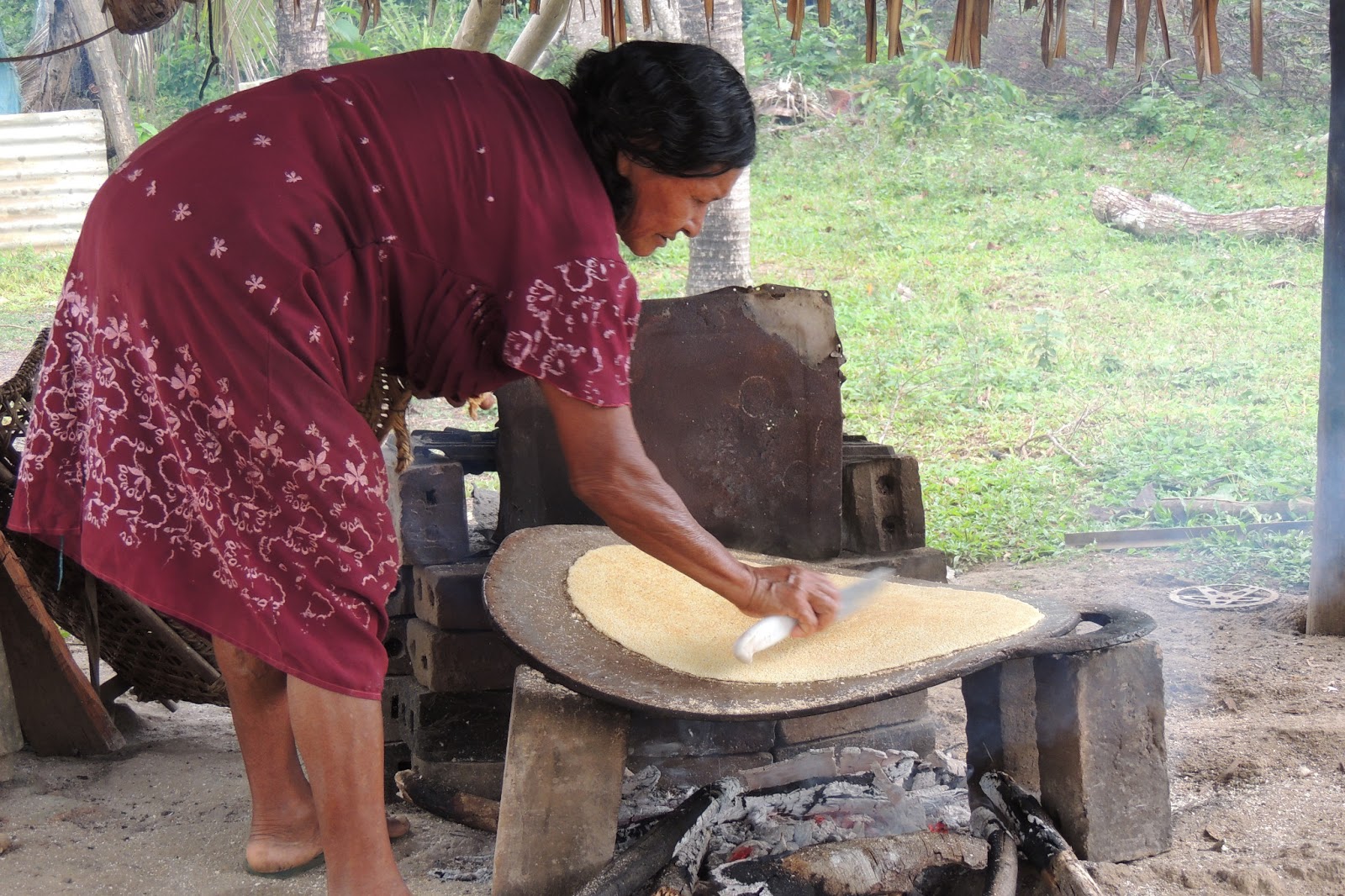
Efforts are ongoing by the Food and Agriculture Organization of the United Nations (FAO) to have individuals of the region to see the benefits of consuming their own products.
FAO Coordinator for the Caribbean Subregion, Dr. Deep Ford lamented the fact persons prefer to consume imported products rather than opting for those which are home grown. He noted that more has to be done to bring about a change in this mind set.
“There still is a tendency to want to utilise process products [or] imported products and not our own products. So we have to do a lot on marketing and we have to do a lot on consumption decisions [or] food consumption choices. Consumption choices that consumers make in households have to be different and we are making efforts on that front.”
He also said that they “have to get the message through to consumers that they can use more local products and we are working on that. One aspect that is very important is we are working in schools and we want to work in public institutions because we want to change food choices, not for today, but long life food choices forever.”
Dr. Ford was at the time speaking at the FAO Cassava Bread-baking Demonstration held at The Dining Club on Wednesday. This event was the final of the thee-day Regional Cassava workshop in Barbados. As part of the Wednesday’s workshop bakers and stakeholders were shown how to create composite bread with grated cassava and composite bread with cassava flour. (MG)
You may also be interested in:
La CSME, la seguridad alimentaria y la financiación climática encabezan la agenda de la Cumbre de CARICOM en las Bahamas.
The CARICOM Single Market and Economy (CSME); food security; climate change and climate finance; health; and security will be among the major topics when Heads of Government of CARICOM Meet in The.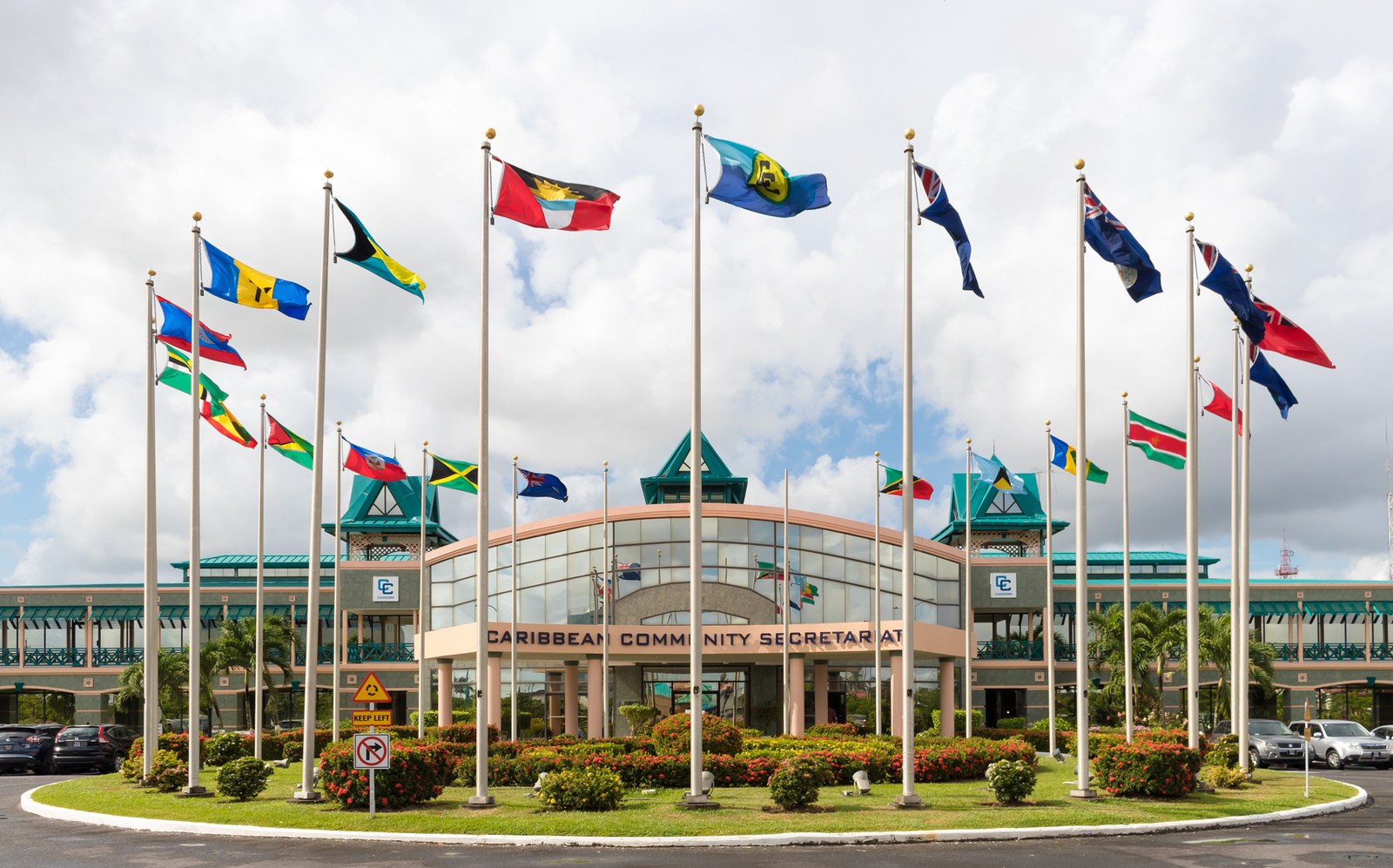
La Secretaría de CARICOM y la Agencia Caribeña para Soluciones de Justicia (CAJS) forjan una alianza para acelerar la transformación digital.
The CARICOM Secretariat (CCS) and the Caribbean Agency for Justice Solutions (CAJS) have come together in a significant partnership aimed at advancing digital transformation and enhancing service..