Energy efficiency building codes, standards in focus in Grenada
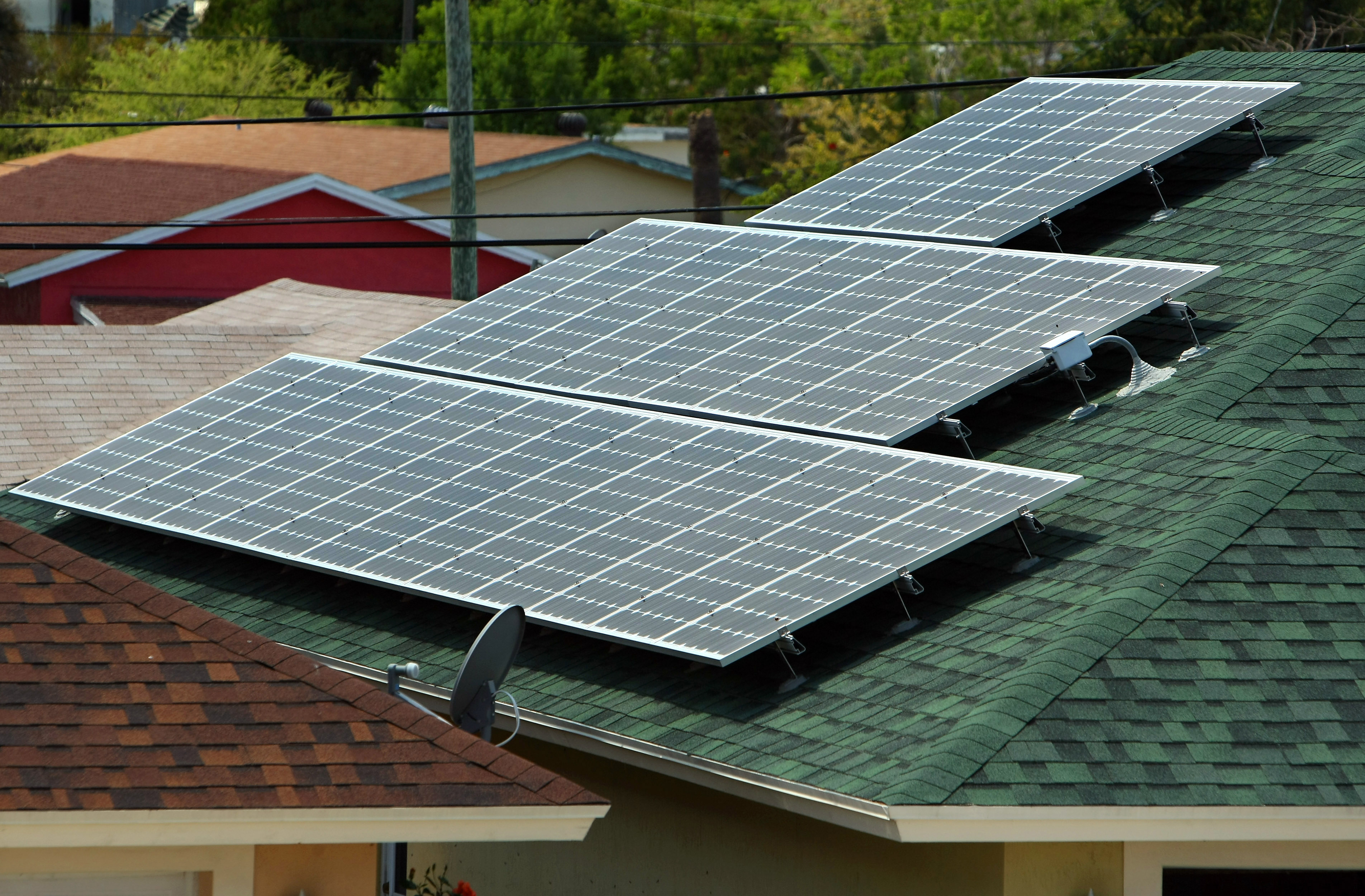
More than 50 regional and international experts will gather at a three-day workshop in Grenada, next week, to advance efforts toward the development and implementation of energy efficiency building codes and energy performance standards for Caribbean buildings.
The Caribbean Community (CARICOM) Secretariat and the CARICOM Regional Organisation for Standards and Quality (CROSQ) are partnering with the Grenada Bureau of Standards (GDBS) to jointly host the Workshop from 13-15 July, 2016. The event is being supported by the German Agency for International Cooperation (GIZ), through the regional Renewable Energy and Energy Efficiency Technical Assistance (REETA+) Programme and the Grenada‑based Reform of the Electricity Sector to Support Climate Policy (G-RESCP) Programme, as well as the Caribbean Development Bank (CDB).
The main objectives of the Workshop are to establish consensus on practical and realistic benchmarks for the energy performance of buildings, and to reach agreement on the considerations for inclusion in a Regional Energy Efficiency Building Code (REEBC).
At the Forty-First Special Meeting of the Council for Trade and Economic Development (COTED) [Energy] held in Trinidad and Tobago in 2013, CARICOM Ministers with responsibility for Energy mandated that the Regional Building Code development by CROSQ should explicitly address energy efficiency in new and existing buildings. In 2015, the Regional Collaboration on Efficient Energy-use in Buildings (RCEEB) was established as a strategic partnership for collective action on building energy efficiency issues, and includes coordination of activities, actions and projects within CARICOM.
Under this initiative, coordinated by the CARICOM Secretariat, CARICOM-wide Minimum Energy Performance Standards (MEPS) for various categories of buildings and a Regional Energy Efficiency Building Code for non‑residential buildings are being developed in collaboration with CROSQ and the national standards bodies, and with the support of a number of Development Partners including the CDB and the GIZ. The initiative forms part of the emerging Regional Energy Efficiency Strategy (REES), which is addressing the inefficiency with which energy is produced, delivered and used in CARICOM Member States.
Contact: Niebert Blair, CARICOM Secretariat, Turkeyen, Georgetown, Guyana,
You may also be interested in:
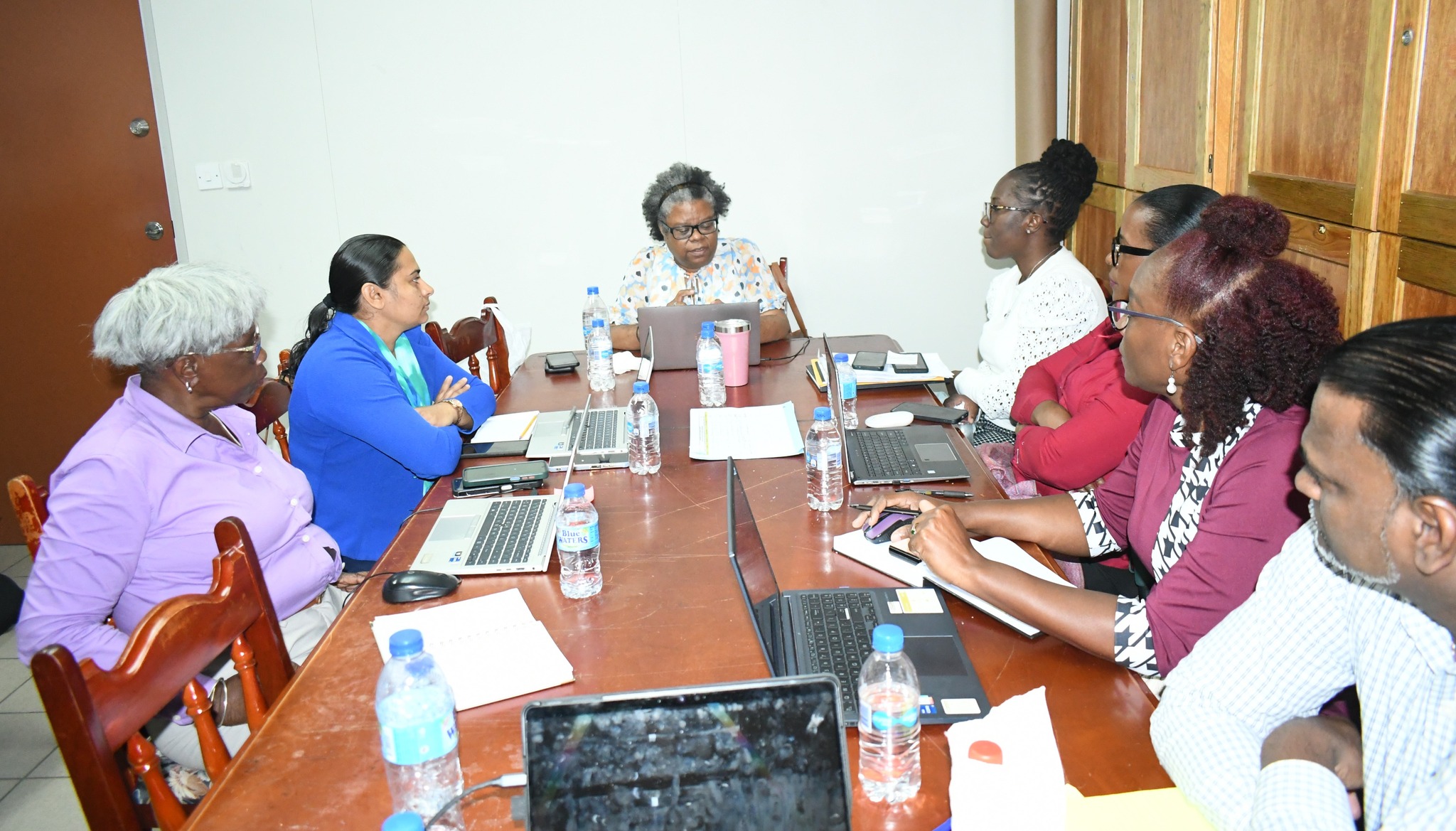
Stakeholders Engage in Consultations to Strengthen National Youth Policy
The Department of Youth Development and Sports, through its Youth Unit, has commenced a four-day series of half-day closed stakeholder consultations aimed at strengthening the development and imple
Regional Workshop Strengthens Caribbean Capacity on Genetic Resources
Regional policymakers, scientists, and biodiversity experts gathered from March 3-5, 2026, at The University of the West Indies (UWI), St.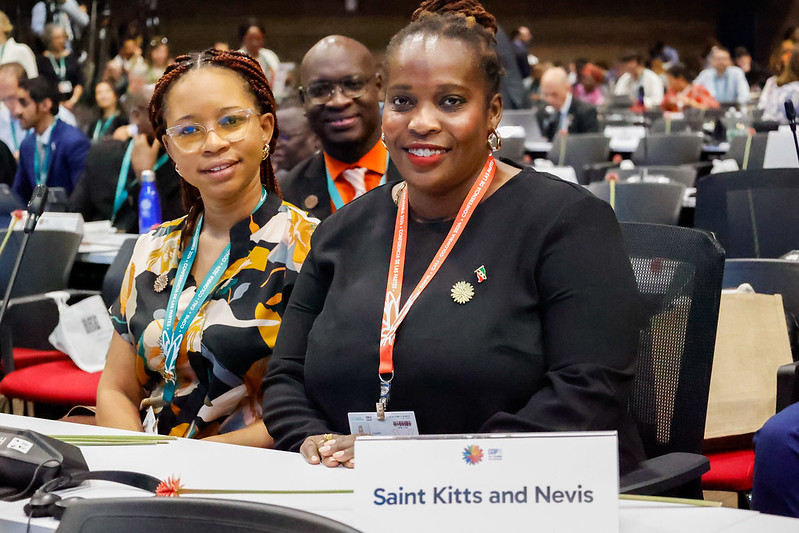
Related Stories

Feasibility and Benefits of a Transition to Mercury-free Lighting in CARICOM
In the lead up to #MinamataCOP4, the Caribbean Community (CARICOM) Secretariat and the Clean Lighting Coalition are hosting a virtual conversation to highlight the feasibility