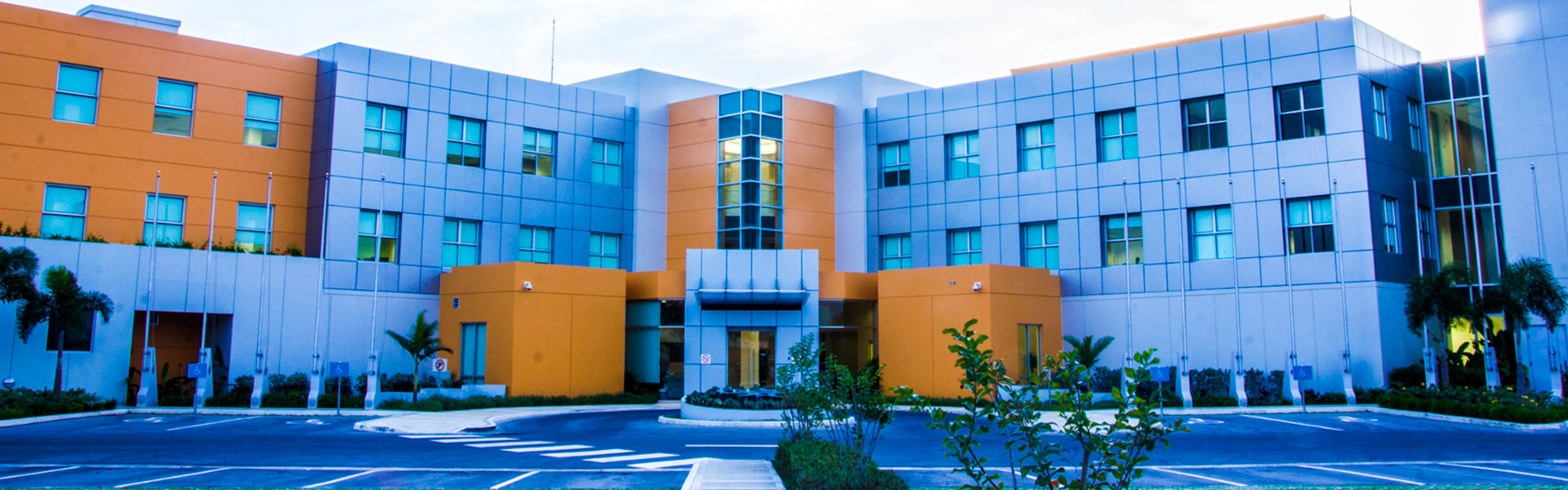
EDUCATION FOCUS AT COHSOD MEETING
The Sixth Special Meeting of the Caribbean Community’s (CARICOM) Council for Human and Social Development (COHSOD) begins in Port-of-Spain, Trinidad and Tobago, starting at 9:00 a.m. on Monday, 31 March with a focus on Education.
The two-day meeting at the Trinidad Hilton Hotel and Conference Centre to be presided over by the Hon. Walter Sandriman, Suriname’s Minister of Education and Community Development, will consider among other issues, the migration of teachers from the Caribbean.
In recent years, a number of developed and developing countries have actively recruited trained teachers from the Region, raising deep concerns. Last July, at a meeting in Barbados, organised by the Commonwealth Secretariat, Ministers of Education of seven Member States and one Associated Member signed the Savannah Accord, which called for research at the national level to determine the extent of the teacher loss and the impact on the education system. It is expected that the meeting will discuss this matter further.
Implementation of the CARICOM Single Market and Economy, with particular reference to the free movement of skills, is also down for discussion. The issue of accreditation is one, which is pertinent to the smooth application of the measures allowing for the free movement of skilled workers and university graduates as provided for in the Revised Treaty of Chaguaramas. Critical to this process is the establishment of accreditation bodies at the national level and also the Regional Accreditation Agency (RAA). An update on the latest position with respect to the accreditation agencies will be presented to the ministers.
The meeting will review progress on the elaboration of a Regional strategy for Human and Social Development which is intended to build on the Human Resource Development vision outlined by the Heads of Government at the 1997 meeting in Montego Bay, Jamaica. This vision identified Education targets for the year 2005 of a 15 percent enrolment at the tertiary level and universal secondary education. It also stressed the need for competence in Spanish and other languages at the secondary and post-secondary levels.
Other matters on the agenda include curriculum issues involving Spanish at the primary level and technology education; tourism education in schools; the sector’s response to HIV/AIDS; and issues relating to the Caribbean Examinations Council, (CXC).
You may also be interested in:
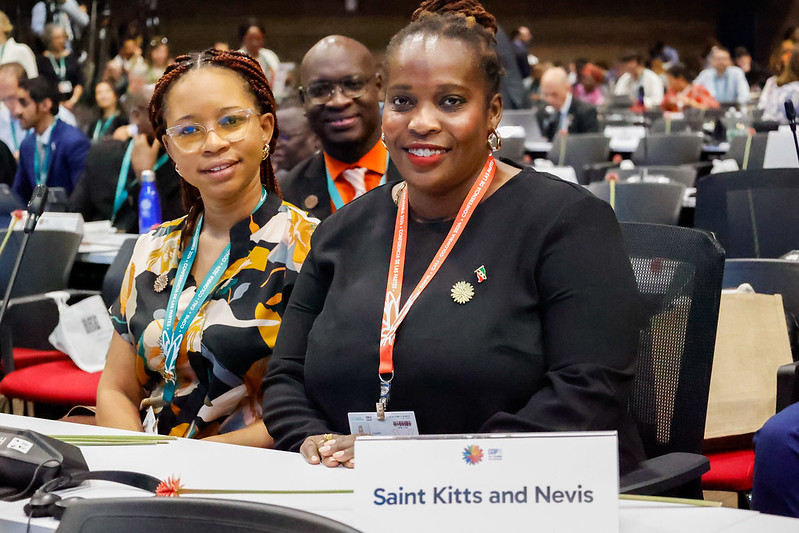
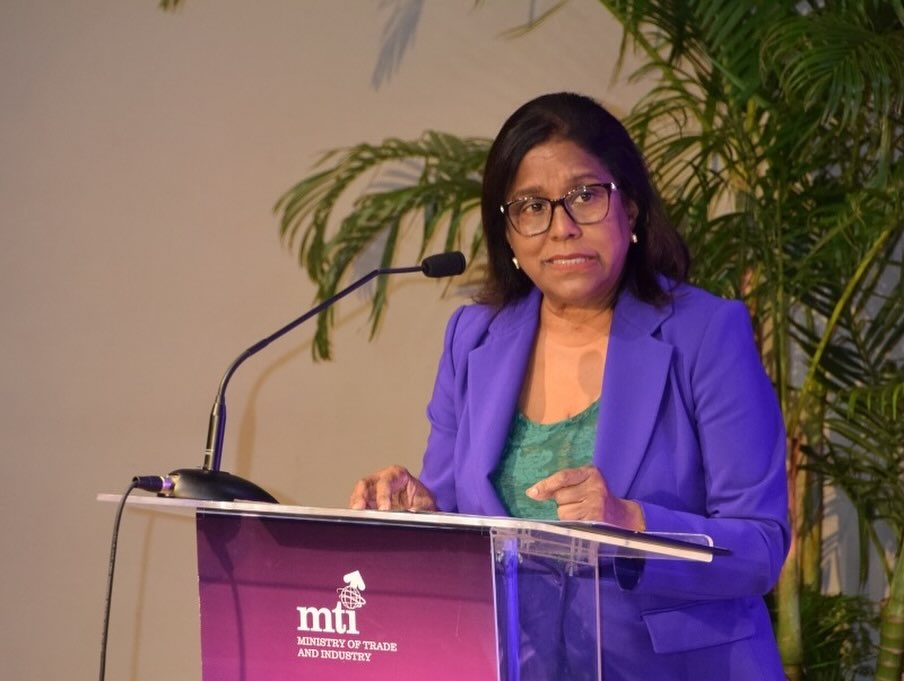
Remarks by Senator the Hon. Paula Gopee-Scoon, Minister of Trade and Industry of Trinidad and Tobago, and Chair of the Council for Trade and Economic Development (COTED), at a meeting with Ambassador Katherine Tai, U.S. Trade Representative, 2 August 2024.
Let me first express my extreme delight in joining Minister Todd and representatives of the CARICOM Secretariat in welcoming Ambassador Tai to Guyana and CARICOM.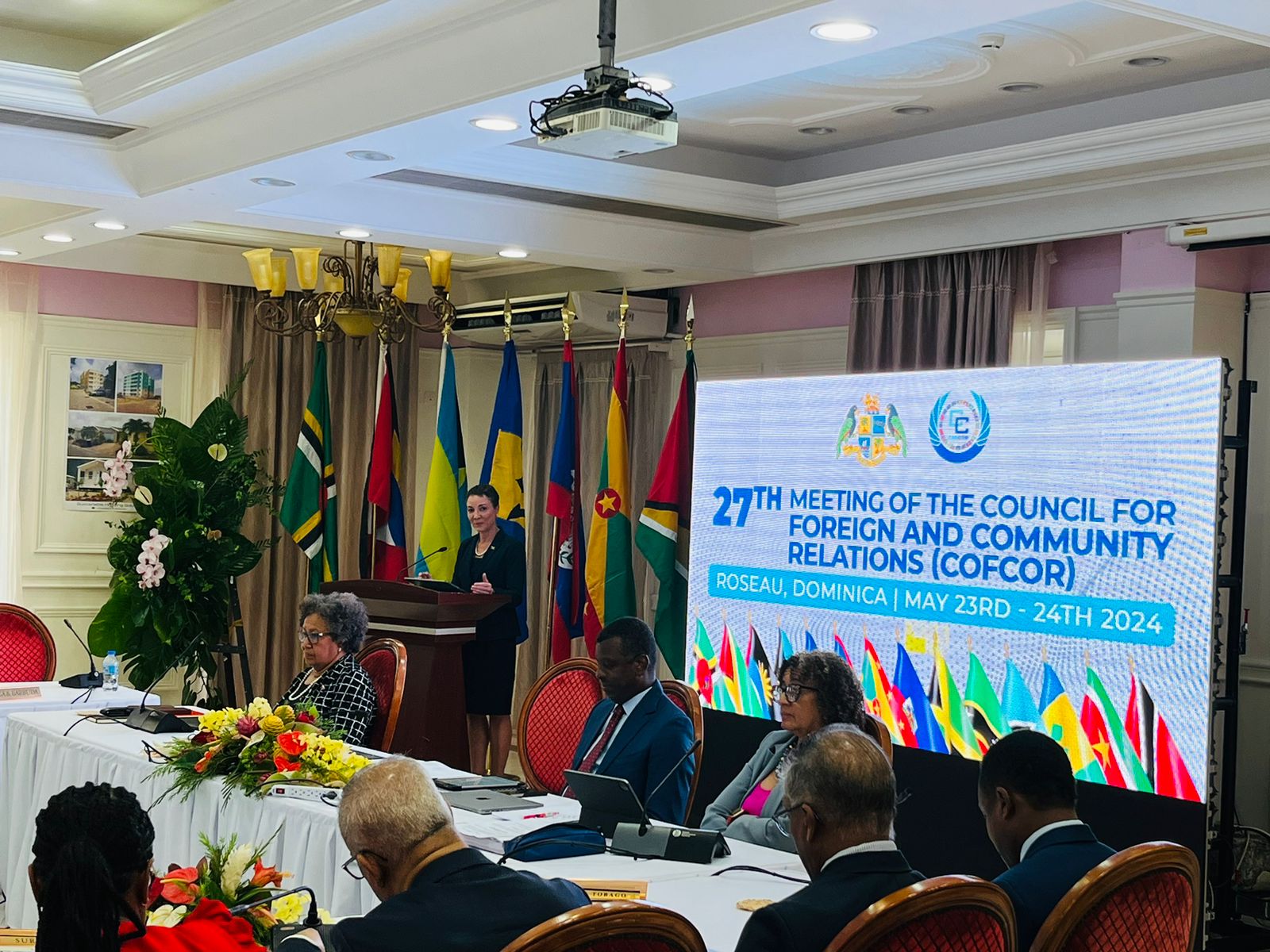
Remarks by the Outgoing Chair of the Council for Foreign and Community Relations (COFCOR), Senator the Hon. Kamina Johnson Smith, Minister of Foreign Affairs and Trade of Jamaica, at the Opening Ceremony of the Twenty-Seventh Meeting of COFCOR, 23 May 2024, Roseau, Dominica
Dr. Carla Barnett, Secretary-General of the Caribbean Community (CARICOM);Related Stories
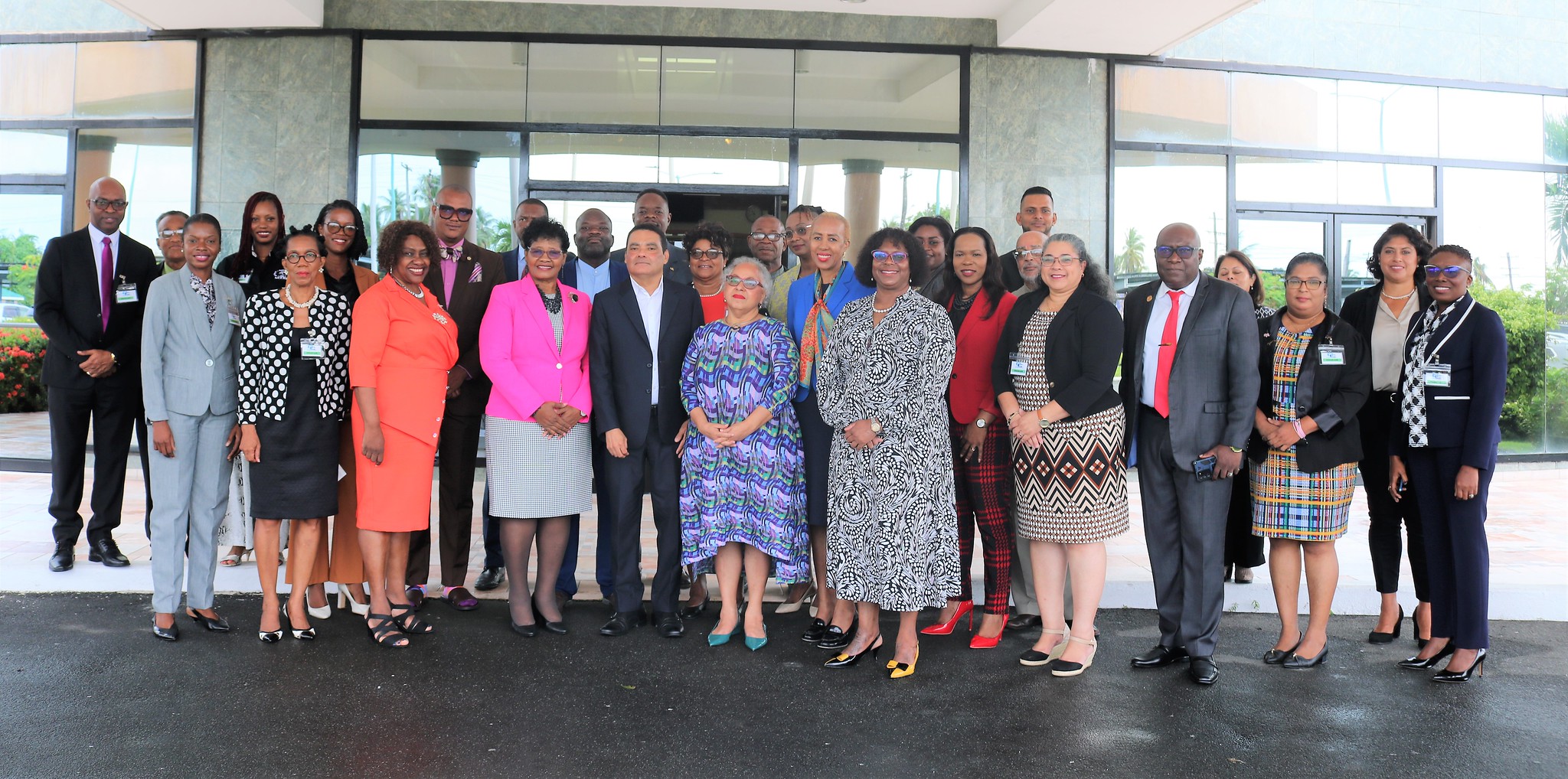
Communique issued at the end of the 44th Meeting of the Council for Human and Social Development (COHSOD) - Education, 13-14 October 2022, CARICOM Secretariat Headquarters, Georgetown, Guyana
The Forty-Fourth Meeting of the Council for Human and Social Development (COHSOD) of the Caribbean Community (CARICOM) was held on 13-14 October 2022, under the theme “Educ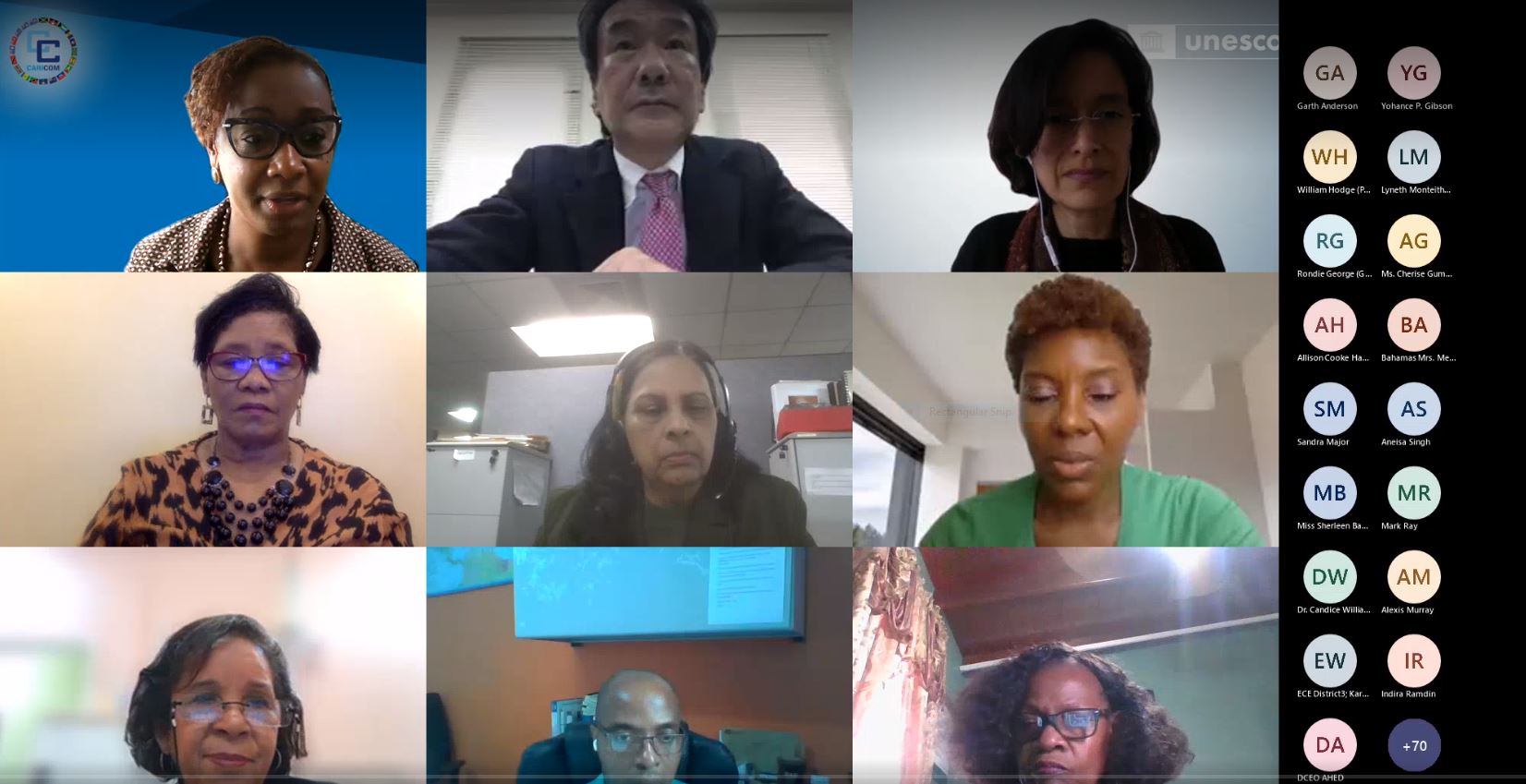
CARICOM continues pursuit of quality education imperative
The Caribbean Community (CARICOM) Secretariat is advancing efforts to achieve clearer alignment, coordination and harmonization of standards for the teaching profession in the