ECTEL says telecoms stakeholders need to find ways to increase broadband uptake in Caribbean

Telecommunications service providers, consumers, regulators and policymakers need to engage in constructive discussions to address the factors contributing to slow uptake of broadband in the Caribbean.

That’s the suggestion of managing director of the Eastern Caribbean Telecommunications Authority (ECTEL) Embert Charles who cited a recent student undertaken by that body, which found that, in addition to the broadband prices being high, many consumers were unaware of the levels and quality of broadband connection they get from their providers.
He said that notwithstanding the numerous initiatives and projects on broadband innovation in the wider Caribbean, the region lags in broadband penetration.
“All stakeholders, including the telecommunications service providers and regulators, must arrive at common ground on entry levels and prices for broadband services,” he said.
Last week, Caribbean regulators addressed the CANTO conference in Miami, under the theme ‘Improving Lives through Broadband Innovation’.
Chairman of the board of directors Isaac Solomon and Charles represented ECTEL at the conference, while other regulators attended from Anguilla, Bahamas, Barbados, Montserrat, St. Marten, Turks and Caicos Islands and Trinidad and Tobago.
The CANTO conference and exhibition is an annual gathering of telecommunications service providers, ministers of telecommunications, vendors, and regulators from the Caribbean and Latin American region.
You may also be interested in:
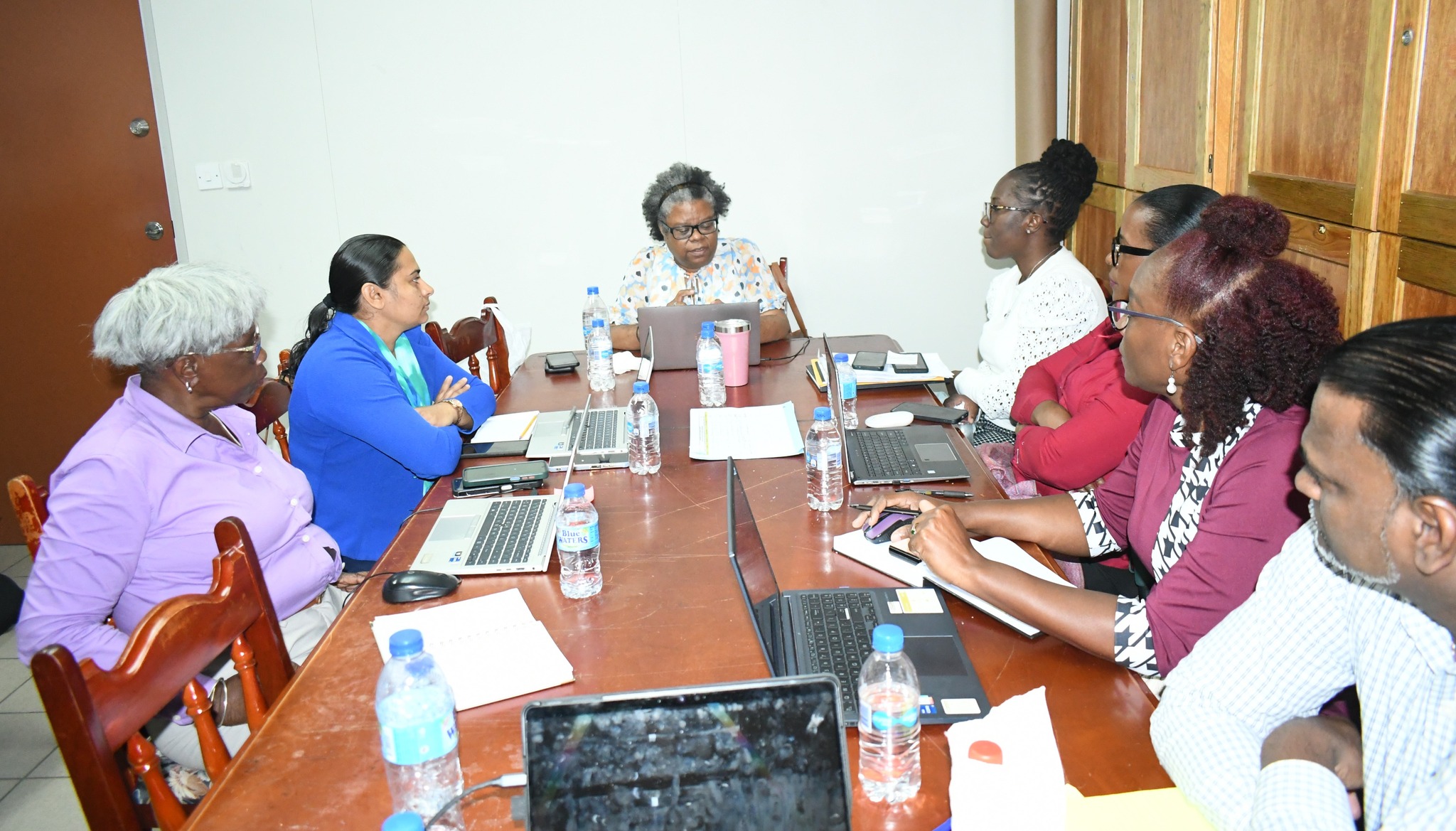
Stakeholders Engage in Consultations to Strengthen National Youth Policy
The Department of Youth Development and Sports, through its Youth Unit, has commenced a four-day series of half-day closed stakeholder consultations aimed at strengthening the development and...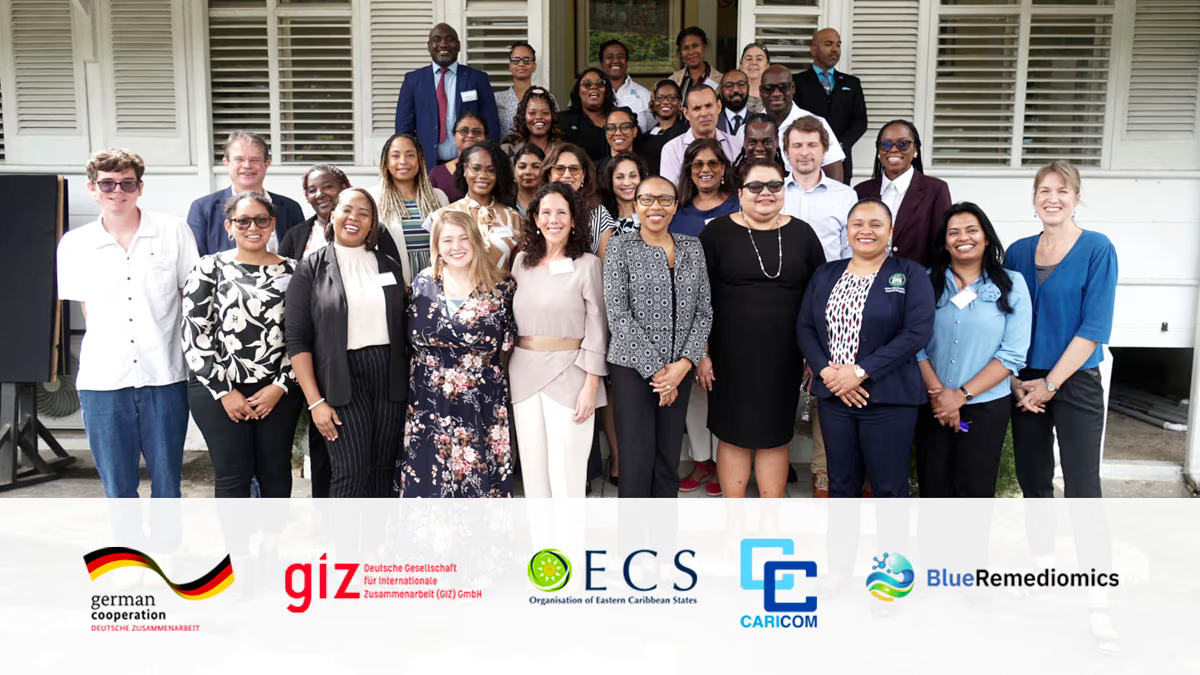
Regional Workshop Strengthens Caribbean Capacity on Genetic Resources
Regional policymakers, scientists, and biodiversity experts gathered from March 3-5, 2026, at The University of the West Indies (UWI), St.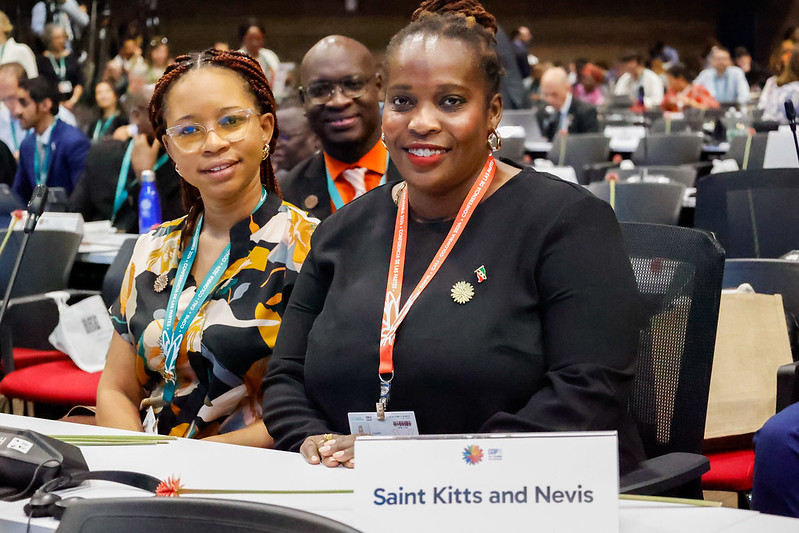
Statement by Hon. Dr. Joyelle Clarke, Minister of Sustainable Development, Environment, Climate Action and Constituency Empowerment of Saint Kitts and Nevis| High-Level Segment, 16th Meeting of the Conference of Parties of the UN Convention on Biological Diversity| Cali, Colombia| 30 October 2024
"The fight for biodiversity cannot be disentangled from the climate crisis. This is why our commitment to the Kunming-Montreal Biodiversity Framework is especially critical and why Saint KittsRelated Stories
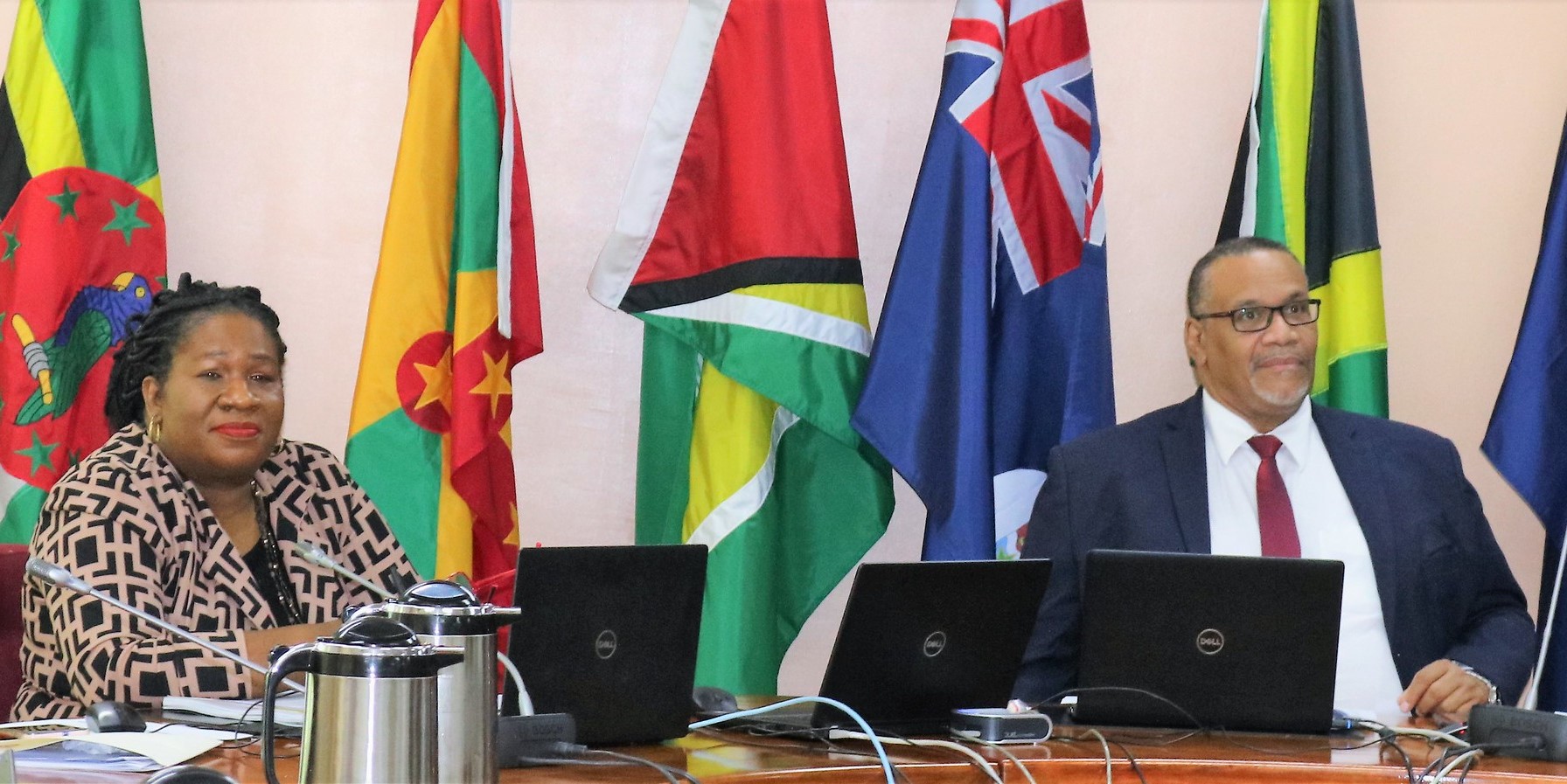
ICT Ministers approve CARICOM Secretariat-led action plans to fast-track digital transformation
Ministers of ICT on Friday unanimously approved the CARICOM Secretariat-led action plans to accelerate the Region’s digital transformation.
Secretary-General Dr Carla Barnett's address to Wednesday's launch of the CARICOM Digital Skills Task Force
Honourable Ministers; Heads and Representatives of Regional Institutions and Organisations; Co-Chairs of the CARICOM Digital Skills Task Force - Dr. Barbara Reynolds and Mr....