Ebola survivors’ blood to treat deadly disease
Anastassia Cunningham, Health Coordinator
The World Health Organization (WHO) has announced that the blood of patients who recover from the deadly Ebola virus could be used to treat those still suffering from the disease. Like other infections, infected humans produce antibodies in the blood in an attempt to fight off an Ebola attack.
According to scientific theory, those antibodies can be transferred from a survivor into a sick patient to boost their immune system. However, at this stage, there isn't enough data on the effectiveness of this treatment. Studies on the 1995 outbreak of Ebola in Democratic Republic of Congo showed seven out of eight persons survived after being given the survivor's blood treatment.
With no proven drugs to treat Ebola and experimental ones now in short supply, a global group of experts have been meeting to assess the experimental therapies that could control the disease that has so far infected more than 7,470 persons and killed more than 3,431.
WHO is now making it a priority to try such convalescent blood or plasma, as it is called, and is talking with the affected countries about how to do it. The organization has now issued guidelines on how to collect the blood and administer transfusions.
PLAUSIBLE
"The concept that this treatment could be efficacious is biologically plausible, as convalescent plasma has been used successfully for the treatment of a variety of infectious agents," the WHO guideline document stated.
The Bill and Melinda Gates Foundation, which donated US$50 million to fight the outbreak, and the Wellcome Trust are among the organizations championing convalescent plasma and working on how to put it into effect.
"Blood is donated in West Africa every day of the week for surgery and other things and could be safely tested for viruses," noted Dr Jeremy Farrar, director of the Wellcome Trust.
The survivor's blood treatment has already been used in the current outbreak. Dr Kent Brantly, an American aid worker who contracted Ebola in Liberia, received a blood transfusion from a boy who had recovered. After Dr Brantly survived his bout with the disease, some of
his plasma was given to another American aid worker, Dr Rick Sacra, who also recovered.
But it is not known whether the transfusions helped in those cases, since both men also received experimental drugs and excellent supportive care in American hospitals.
Authorities say this therapy has been used in Africa, but to a limited extent.
Rumours have also surfaced of a black market for the blood of Ebola survivors. Dr Margaret Chan, the director-general of WHO, said in a news conference last month, that her organisation would work to stamp out underground use of Ebola survivors' blood because such a therapy must be administered properly and safely.
The use of blood or plasma - either from recovered patients or from animals deliberately exposed to a pathogen - dates from the late 1800s, and for decades was used in the treatment of infectious diseases.
The deadly Ebola virus has been wreaking havoc on sections of West Africa for months now, with one confirmed case in the United States.
Scientists are now calculating that, based on Ebola's spread patterns and airline traffic data, by October 24 there is a 75 per cent chance that the virus could reach France and a 50 per cent probability of it reaching Britain.
You may also be interested in:
Stakeholders Engage in Consultations to Strengthen National Youth Policy
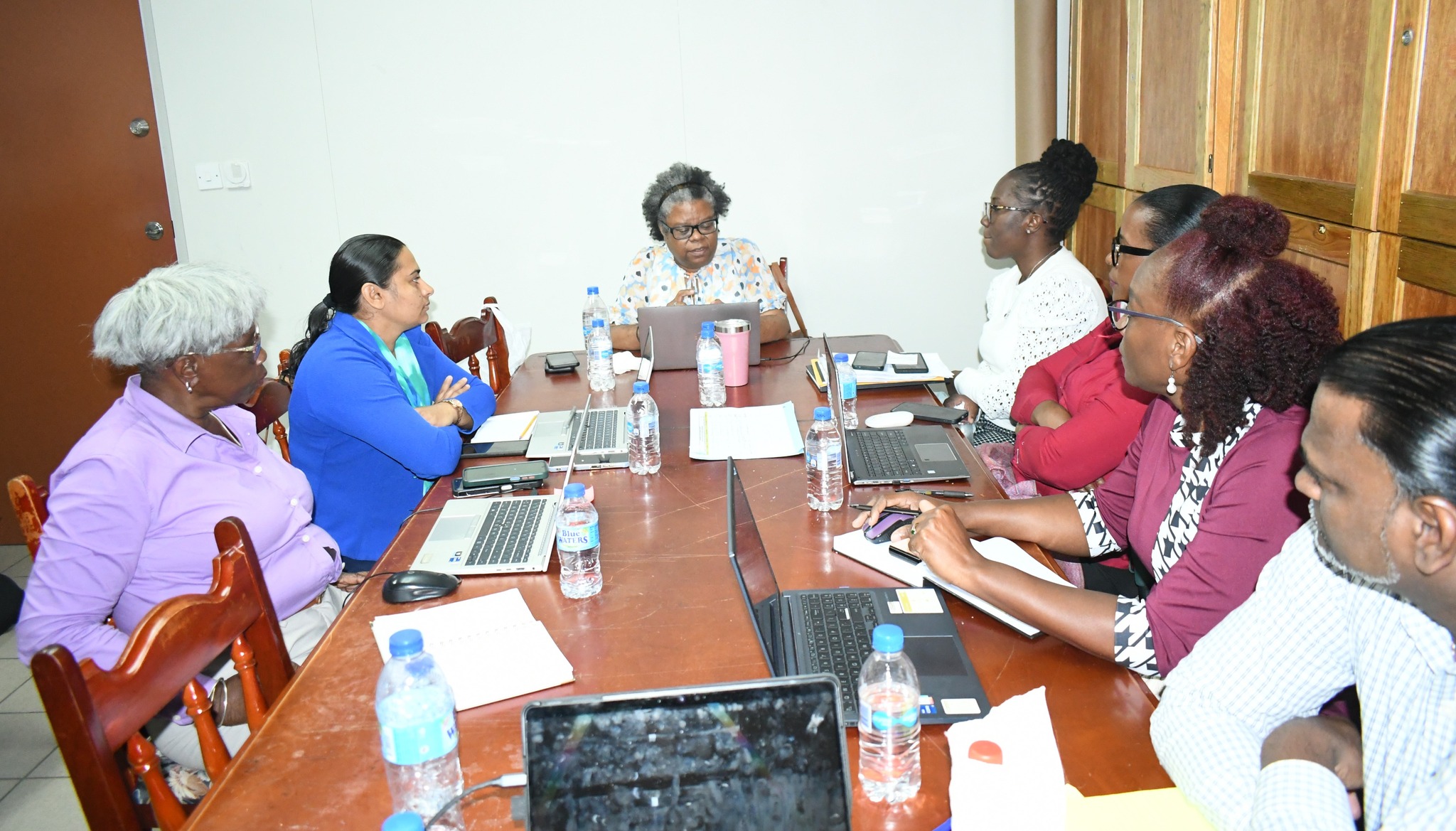
The Department of Youth Development and Sports, through its Youth Unit, has commenced a four-day series of half-day closed stakeholder consultations aimed at strengthening the development and...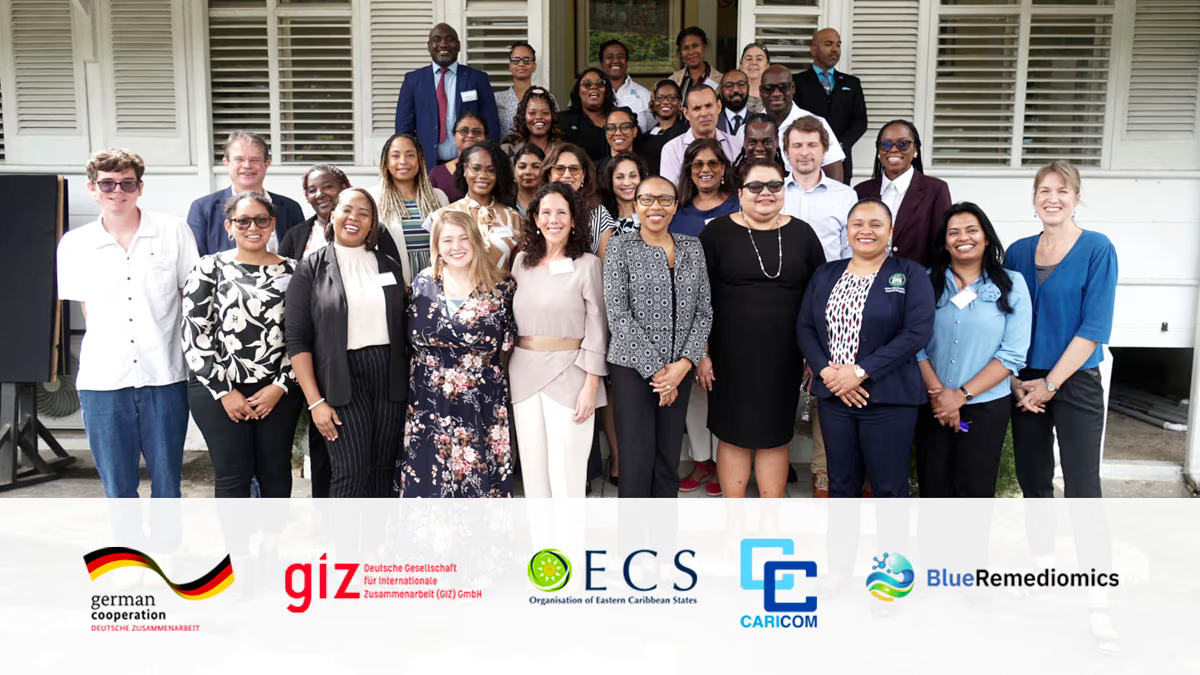
Regional Workshop Strengthens Caribbean Capacity on Genetic Resources
Regional policymakers, scientists, and biodiversity experts gathered from March 3-5, 2026, at The University of the West Indies (UWI), St.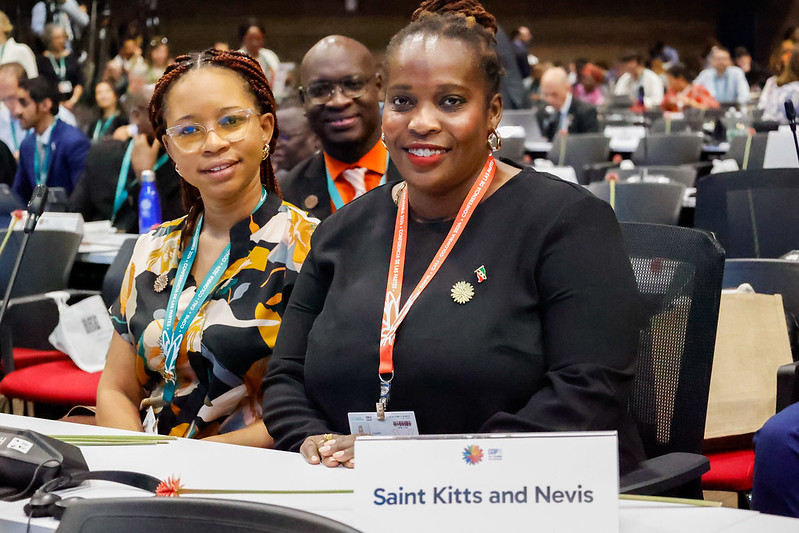
Statement by Hon. Dr. Joyelle Clarke, Minister of Sustainable Development, Environment, Climate Action and Constituency Empowerment of Saint Kitts and Nevis| High-Level Segment, 16th Meeting of the Conference of Parties of the UN Convention on Biological Diversity| Cali, Colombia| 30 October 2024
"The fight for biodiversity cannot be disentangled from the climate crisis. This is why our commitment to the Kunming-Montreal Biodiversity Framework is especially critical and why Saint KittsRelated Stories

EU/PAHO/CARIFORUM Climate & Health Project Builds Capacity with Health Co-Benefits Training
Bridgetown, Barbados, 7 June 2021 (PAHO/WHO) - During a recently held European Union (EU), Pan American Health Organization (PAHO), [1]CARIFORUM Health Co-Benefits webinar, representatives from 16.
Update from the Caribbean Public Health Agency on COVID-19 Vaccines and Variants
The Caribbean Public Health Agency is aware that some countries in the European Union have suspended their AstraZeneca vaccination campaign, as a result of reports of rare blood coagulation disorde