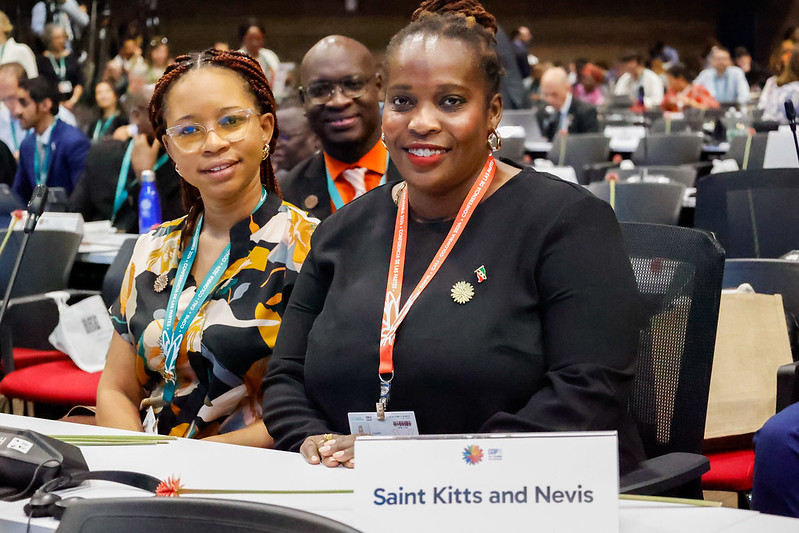
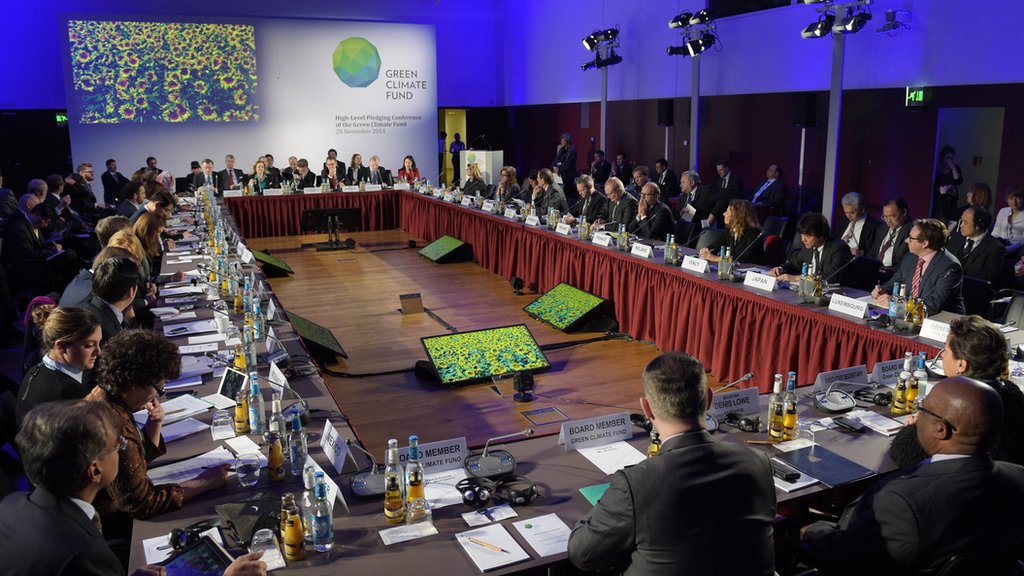
Climate fund rolls out amid hopes it stays “green”
Kitty Stapp
UNITED NATIONS, Thursday June 4, 2015, IPS – After a difficult infancy, the Green Climate Fund is finally getting some legs. The big question now is what direction it will toddle off in.
Local ownership, sustainability and a firm commitment to clean energy are a few of the non-negotiable items if the Fund is to be a success, civil society groups stress.
“The GCF board is aiming to have at least a few projects in the pipeline in time for COP21 [the high-level climate change summit in Paris in December] – to show the world that the fund is open for business and that developed countries are putting their money where their mouths are,” Karen Orenstein of Friends of the Earth told IPS. “Of course, this will be more credible once substantially more of the money pledged to the GCF is legally committed.
“It is essential that those first GCF projects set the appropriate precedent for future-financed activities. The GCF must showcase the best of what it has to offer,” she added.
“This means directly addressing the adaptation and mitigation needs of the vulnerable through environmentally-sound initiatives that promote human rights and benefit local economies, rather than Wall Street-type transactions that may theoretically have trickle-down benefit for the poor.
“Projects must be genuinely country-driven, which means not only government-driven but also driven by communities, civil society and local private sector. And, of course, there must be no trace of support for dirty energy.”
You may also be interested in:
Stakeholders Engage in Consultations to Strengthen National Youth Policy
The Department of Youth Development and Sports, through its Youth Unit, has commenced a four-day series of half-day closed stakeholder consultations aimed at strengthening the development and...
Regional Workshop Strengthens Caribbean Capacity on Genetic Resources
Regional policymakers, scientists, and biodiversity experts gathered from March 3-5, 2026, at The University of the West Indies (UWI), St.