Climate Change Has Saved the Planet. For Now. - A Brief History of Global Warming
Warm temperatures across North America last month had some bemoaning bare slopes and a brown Christmas. Shouldn't it be colder, many asked? In truth, much.
Climate scientists have been asking the same thing for a significantly longer period of time. The whole planet should be colder—and not just because humans have spun up the planetary thermostat over the past 150 years.
On time scales of tens to hundreds of thousands of years, the climate warms or freezes, mostly because earth's slight, predictable orbit changes alter the path of incoming sunlight. By the 18th century, the amount of sunlight reaching earth was similar to what it was at the onset of ice ages about 400,000 and 800,000 years ago. That raises the question: Why haven't temperatures begun a gradual slope downward, with ice sheets tiptoeing out from Greenland to Scandinavia?
The reverse, famously, is occurring. It turns out that as we have raced headlong toward possible self-destruction via global warming, a fringe benefit of that lack of foresight has put off a more gradual, chillier demise.
Potsdam Institute scientists, including Hans Joachim Schellnhuber, an adviser to Pope Francis, has contemplated the other factors affecting earth's body temperature, including atmospheric concentration of carbon dioxide. What they discovered, according to a paper published on Wednesday in the journal Nature, is that there seems to be a stable relationship between how orbital changes and atmospheric CO2 interact to start—or prevent—an ice age.
While it's true that earth's orbital position isn't identical to those of previous climate shifts, it's also true that we've tampered with the equation in an unprecedented way.
The Potsdam Institute scientists looked at carbon dioxide concentrations from when the planet's orbital alignment approached ours and led to ice ages. The CO2 figures are available via "fossilized air" stuck in ancient ice bubbles; the amount of CO2 in the air is often measured in millionths of the overall volume of air.
The preindustrial average was about 0.028 percent, or 280 parts of CO2 in every million parts of air. Today, thanks to fossil fuel use and deforestation, that number is higher than 400 parts per million, or ppm.
When the planet tipped into ice ages in the past, the researchers found, the CO2 level was closer to 240 ppm.
This raises two questions: Had human agriculture and deforestation already pumped up CO2 levels from 240 ppm to 280 ppm by the 18th century? That's not out of the question, according to research. It would make our forebears at least partially responsible for offsetting the orbital tendency to cool things off.
The other question looks forward. Regardless of the human impact as of the 18th century, when might the next ice age come, given that we've put 40 percent more CO2 in the air since then?
Not for a long time, the scientists concluded, based on a newly discovered relationship between CO2 and orbital changes. Without human interference, earth might teeter on the edge of an ice age for thousands of years to come. The new paper shows that if CO2 levels wind up where they're projected, earth will probably skip an entire glacial cycle.
Human activity "will make the initiation of the next ice age impossible" over expected time frames, the authors wrote.
Given that the onset of a new ice age might have posed significant challenges to modernity, bully for us that it's not coming any time soon. On the other hand, we still have that other problem.
You may also be interested in:
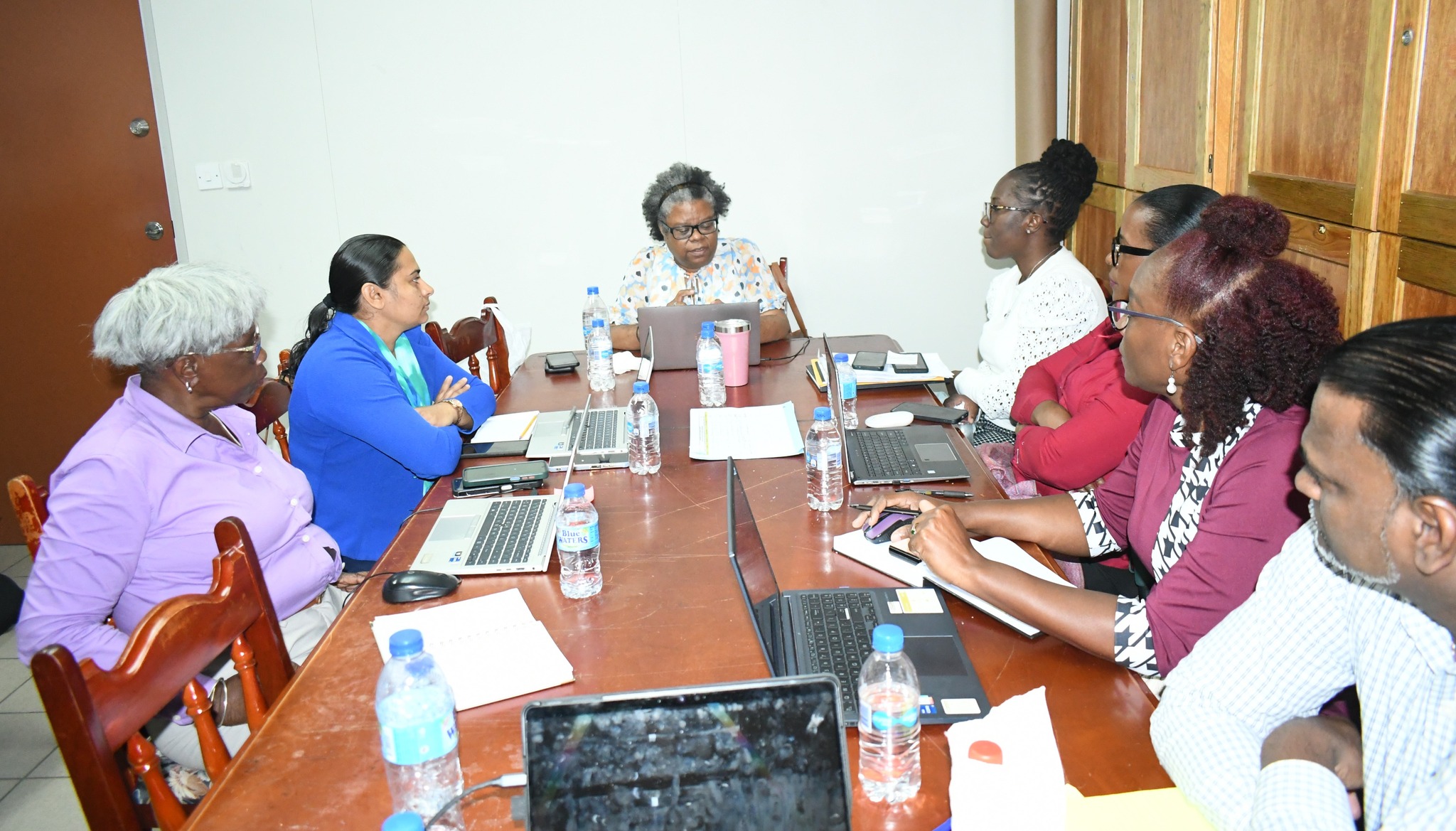
Stakeholders Engage in Consultations to Strengthen National Youth Policy
The Department of Youth Development and Sports, through its Youth Unit, has commenced a four-day series of half-day closed stakeholder consultations aimed at strengthening the development and...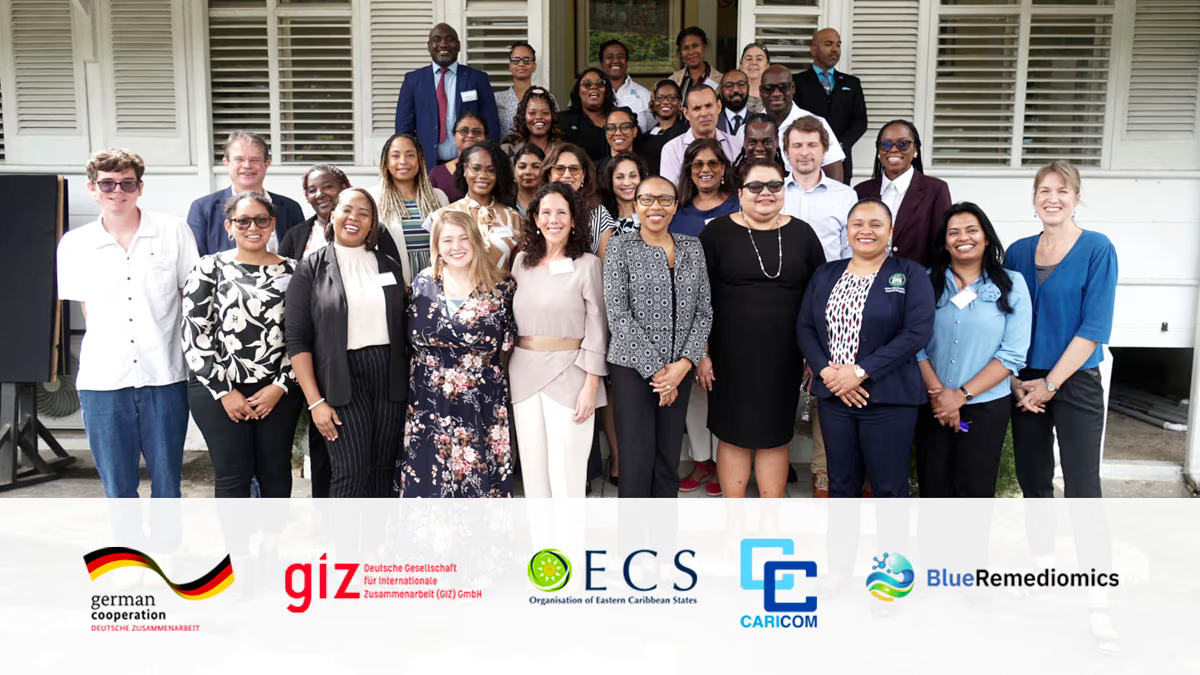
Regional Workshop Strengthens Caribbean Capacity on Genetic Resources
Regional policymakers, scientists, and biodiversity experts gathered from March 3-5, 2026, at The University of the West Indies (UWI), St.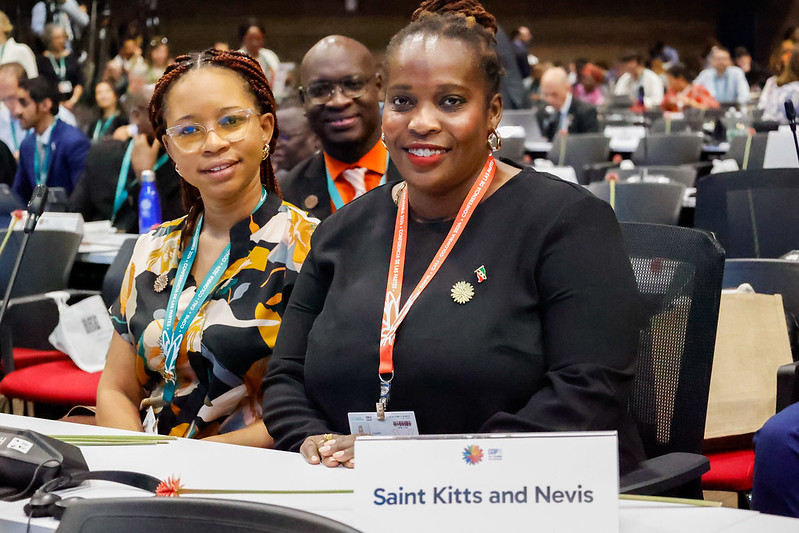
Statement by Hon. Dr. Joyelle Clarke, Minister of Sustainable Development, Environment, Climate Action and Constituency Empowerment of Saint Kitts and Nevis| High-Level Segment, 16th Meeting of the Conference of Parties of the UN Convention on Biological Diversity| Cali, Colombia| 30 October 2024
"The fight for biodiversity cannot be disentangled from the climate crisis. This is why our commitment to the Kunming-Montreal Biodiversity Framework is especially critical and why Saint KittsRelated Stories
CARICOM Ministers see COP28 as a test of the world’s commitment to the most vulnerable
MINISTERIAL STATEMENT COP28 is a milestone for the climate agenda.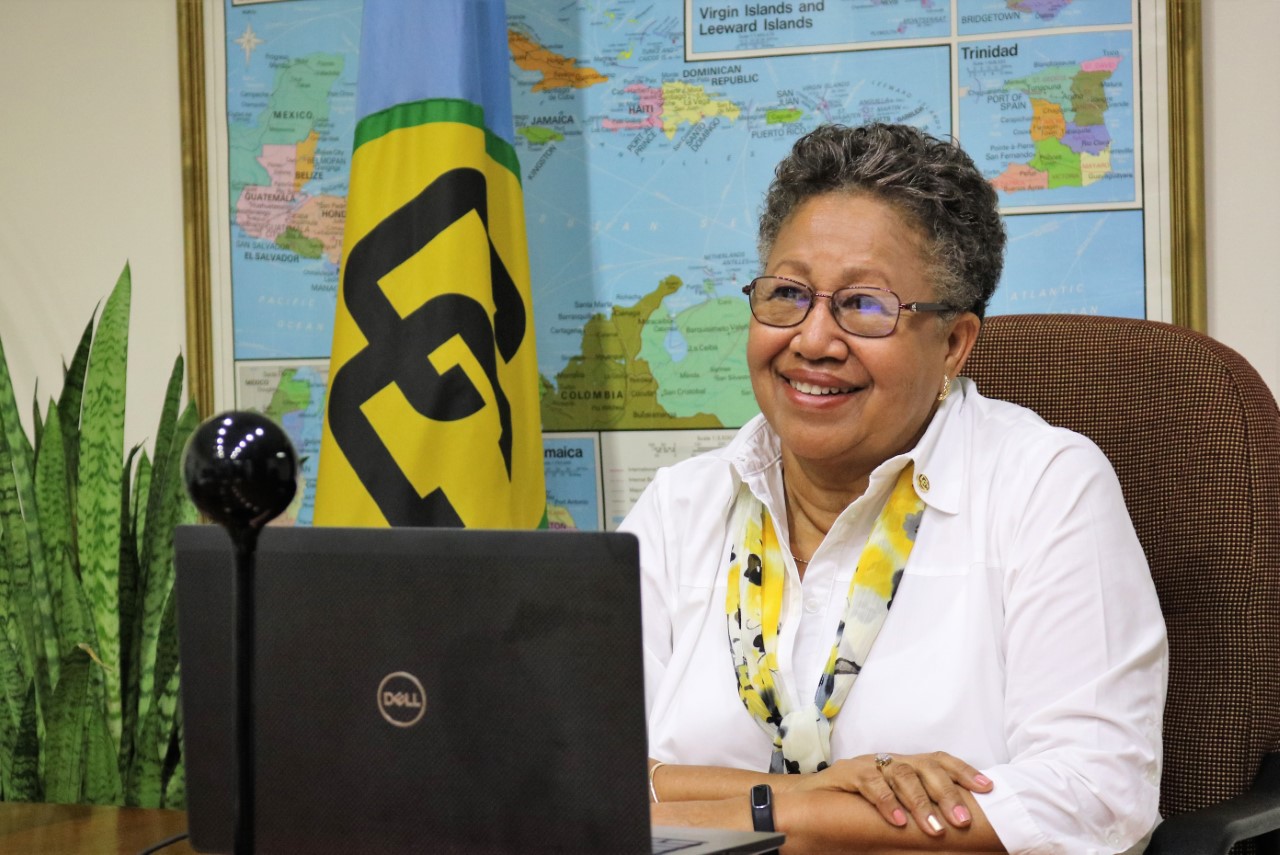
Statement by Dr Carla N Barnett, Secretary-General of the Caribbean Community (CARICOM), following the 27th Conference of the Parties to the United Nations Framework Convention on Climate Change (COP27)
One week after the end of COP27, it is clear that the outcomes are mixed.