Chávez Heir Faces Challenge in Ties With Armed Forces
CARACAS, Venezuela — The multitudes in red shirts, clenched fists thrusting in the air — a dominant image of the political movement that President Hugo Chávez left behind — convey a sense of followers united and loyal to the father of their revolution and his designated heir, Nicolás Maduro.
But beneath the surface, the array of factions Mr. Maduro must contend with seems daunting, from radical armed cells in this city’s slums to privileged bureaucrats with strong ties to Cuba, Venezuela’s top ally, to what is arguably the most powerful pro-Chávez group of all: senior military figures whose sway across Venezuela was significantly bolstered by the deceased leader.
Of the 20 states in Venezuela controlled by governors from the United Socialist Party, which Mr. Chávez created to solidify his movement, 11 are led by former military officers. About a quarter of the ministers in Mr. Maduro’s cabinet, which he inherits from Mr. Chávez, rose through the ranks of the armed forces. Powerful military figures remain at the helm of state companies like the Venezuelan Guayana Corporation, a sprawling conglomerate involved in mining gold and producing aluminum.
You may also be interested in:
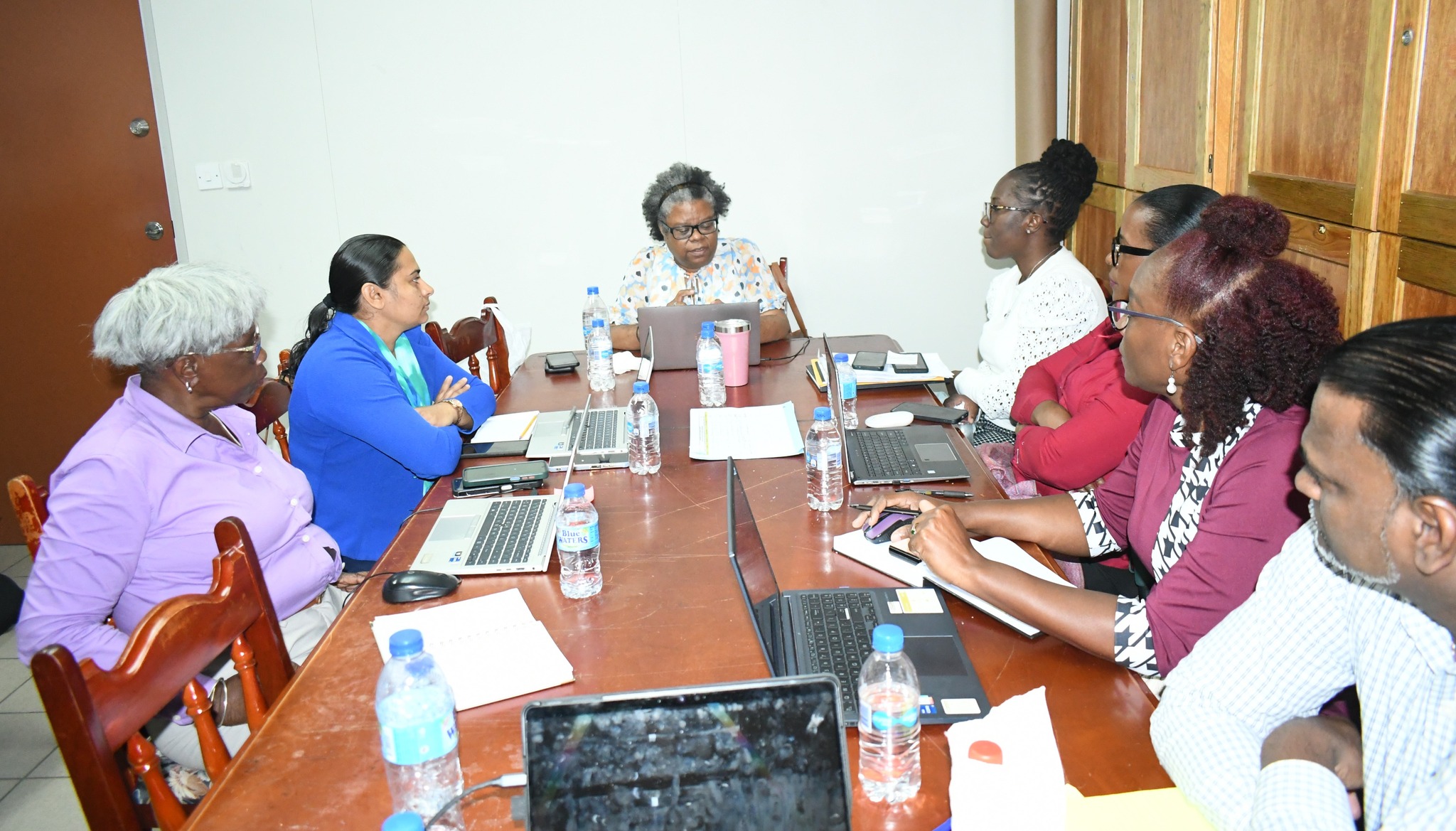
Stakeholders Engage in Consultations to Strengthen National Youth Policy
The Department of Youth Development and Sports, through its Youth Unit, has commenced a four-day series of half-day closed stakeholder consultations aimed at strengthening the development and imple