CDB study proposes multi-pronged thrust to cut high regional youth unemployment
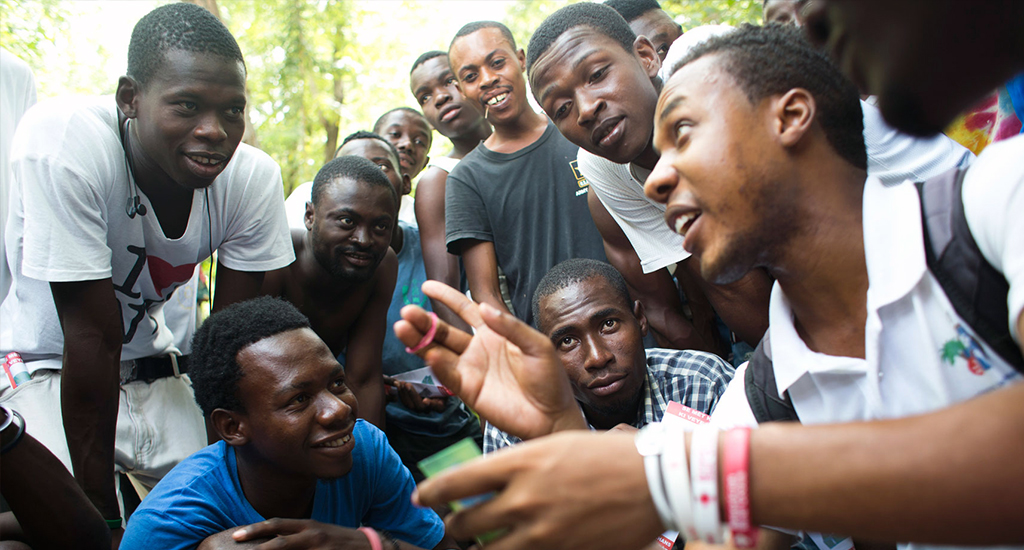
A new Caribbean Development Bank (CDB) study has proposed a comprehensive, multi-sectoral approach to tackle chronic youth unemployment in regional territories. The Study is entitled “Youth are our Future: The Imperative of Youth Employment for Sustainable Development.”
The study, which was presented today at the 45th Annual General Meeting of the CDB’s Board of Governors in St Kitts and Nevis, May 20-21, was conducted within a framework that seeks to promote sustainable employment, especially for youth, guided by the International Labour Organisation’s (ILO’s) Decent Work Agenda and the UN’s Sustainable Development Goals. Key elements of these global agendas relevant to Caribbean region are creating jobs; social protection; skills for employment and entrepreneurship; and promotion of active participation in the labour market.
The definition of youth adopted for the study is 15-24 years of age, although the impact of unemployment on those up to age 29 is also analysed.
The study draws on a wide range of research at the regional and international levels and examined policies implemented in several countries including Germany and Japan for possible adoption or amendment based on Caribbean social and economic realities.
Chief among its findings is that youth unemployment rates in the Caribbean are among the highest in the world at nearly 25% for countries with available statistics. The adult rate is about 8%. In addition, there are gender differences in youth employment with female youth unemployment standing at rates over 30% as against 20% for young males.
Data for eight of the Caribbean countries show that only in Trinidad and Tobago did youth unemployment rates fall below the world average, and this was during the period 2006 to 2010. Between 1991 and 2012, all other Caribbean countries had a youth unemployment rate above the world average.
The regional countries with the highest persistent youth unemployment were Guyana and Suriname which, since 2000, have consistently been above 30%, with the rate in Guyana hovering around 40% since this time. The report noted however that total unemployment rates in Guyana were also persistently high.
Most countries had a relatively consistent youth unemployment rate over the period, but the Bahamas, Barbados and, to some degree, Belize, demonstrated a spike in youth unemployment since 2007. This was attributed in part to the recent global economic crisis.
Based on a quantitative assessment of youth unemployment, the cost of excess youth unemployment, which is the difference between the youth and adult unemployment rates, was estimated at almost 900 million US dollars in 2013 for the eight countries for which data were available.
Drawing on relevant literature and in-depth interviews conducted in the region, a number of causes and consequences of youth unemployment were identified including the state of the economy; structure of the labour market; lack of relevant skills; lack of experience; lack of knowledge of vacancies; constrained opportunities due to health status or disability, location (i.e. rural location or general lack of transport options); stigma and discrimination due to age, ethnicity, criminal record, gender, motherhood, poverty, area of residence, disability; a reactive approach to gaining employment due to negative experiences of employment (by self or from others), lack of work ethic, belief that opportunities are limited due to social class or political affiliation.
Among the direct personal consequences of youth unemployment identified were the lack of means to support self; participation in anti-social behaviours; participation in negative behaviours as a consequence of social exclusion, low self-esteem, hopelessness and ambivalence;
At the household level the impact included a reduction in disposable income to support unemployed youth and a greater burden on caregivers and other household members.
The consequences at the community and nation level were high youth crime rates; poor health; poverty; community degradation (as shown up in graffiti, vandalism, and unsafe environments); lost revenue from employment taxes and lost national output; as well as higher public expenditure to address causes and consequences.
The study finds that despite the existence of several core components for addressing youth unemployment across the Region, the overall system is fragmented and disjointed. While there is recognition of the linkages between youth and youth-at-risk issues and unemployment, youth have become the remit of ministries concerned solely with social issues or those related to sports and culture, and sometimes education.
You may also be interested in:
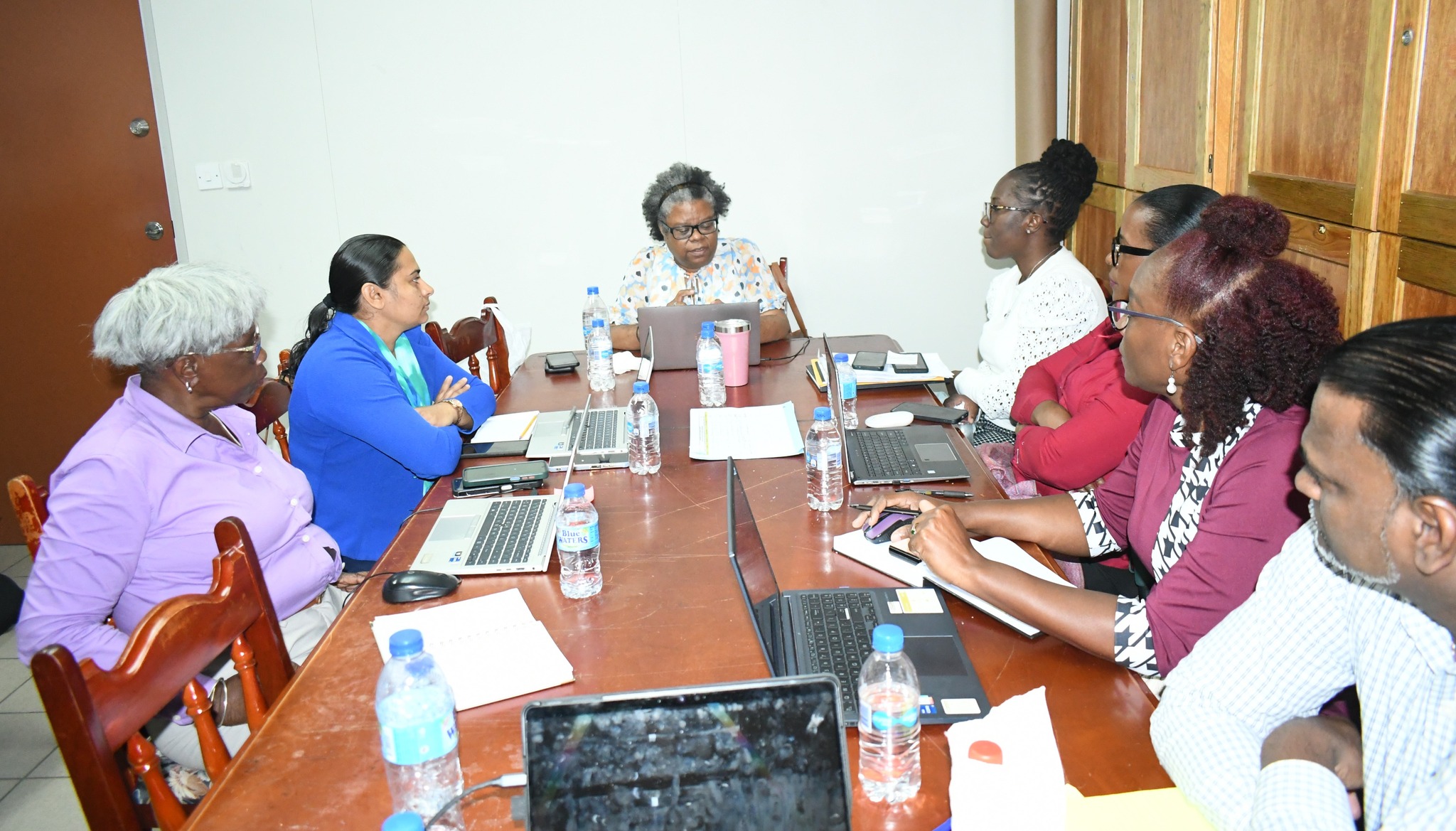
Stakeholders Engage in Consultations to Strengthen National Youth Policy
The Department of Youth Development and Sports, through its Youth Unit, has commenced a four-day series of half-day closed stakeholder consultations aimed at strengthening the development and...
Regional Workshop Strengthens Caribbean Capacity on Genetic Resources
Regional policymakers, scientists, and biodiversity experts gathered from March 3-5, 2026, at The University of the West Indies (UWI), St.
Statement by Hon. Dr. Joyelle Clarke, Minister of Sustainable Development, Environment, Climate Action and Constituency Empowerment of Saint Kitts and Nevis| High-Level Segment, 16th Meeting of the Conference of Parties of the UN Convention on Biological Diversity| Cali, Colombia| 30 October 2024
"The fight for biodiversity cannot be disentangled from the climate crisis. This is why our commitment to the Kunming-Montreal Biodiversity Framework is especially critical and why Saint KittsRelated Stories
CARICOM Secretary-General pays First Official Visit to Caribbean Development Bank
December 3, 2021, BRIDGETOWN, Barbados – Secretary General of the Caribbean Community, Dr Carla Barnett paid her first official visit today to the Caribbean Development Bank since her appointment..
Dr. Gene Leon takes office as CDB President
Dr Hyginus ‘Gene’ Leon today took office as President of the Caribbean Development Bank (CDB), becoming the sixth chief executive of the regional multilateral institution.