C’bean film industry needs to be taken more seriously
MORE investment is needed. More national broadcasting of local film material, as well as a greater level of regulation and policy framework in place, should also be added to the list of things needed in order for Barbados to tap into the global film industry, which as been estimated to be valued at US$ 100 Billion by 2016.
However, according to film maker Shakirah Bourne (scriptwriter of Pay Day and Two Smart), these matters are not just a Barbadian problem, but issues faced by her colleagues throughout the region.
In a wide ranging interview with The Barbados Advocate, Bourne stated the same complaints of local film producers, and by extension musicians and other artists, of them not getting their fair share of domestic publicity due to media houses' preferring to be more accommodating to foreign content, could be heard elsewhere in the Caribbean.
Said Bourne, “Take Jamaica for example, which has unarguably been able to reach some measure of success when it comes to producing film. Yet, independent Jamaican film producers still encounter difficulties getting their films shown in the cinema, because the cinemas prefer to show Hollywood block busters.
“When I told a Jamaican producer that the Pay Day film crew had been fortunate enough to have runs in our cinema, stretching for 13 weeks, she was absolutely stunned... she told me that in Jamaica local films would not be shown for more than one week inside of the theatre, because of the demands of their scheduling.
The professional writer pointed out that Trinidad and Tobago had been able to gain some significant ground in the industry, adding that the conditions there seemed more favourable for creating opportunities and demand for local film producers.
Bourne went on to highlight the challenges preventing more co-production of films, against the backdrop of other industry players noting that the absence of co-production arrangements in the Caribbean meant that Caribbean films were yet to seriously breakthrough non-Caribbean markets.
“We would also love to do more collaborating with other regional and international film producers, but the problem is that in order to do a co-production, Barbados would need to have a Film Commission. An administrative body could attract the big production crews and that could responsibly manage the funds required for doing the project,” Bourne explained, adding that Barbados was making strides towards having such a commission in place, albeit at an extremely slow pace.
Sentiments shared
She also stated that because of the absence of a local film commission, there would have been several occasions where Barbados did not qualify to the recipient of grant funding.
“There's a lot of money out there that we are not tapping into,” she said.
Bourne’s sentiments mirrored those shared last month by filmmaker and communications specialist, Dr. Bernard Frampton, while he was in Jamaica.
In an interview with the Jamaican newspaper the Gleaner, Frampton, who has held various positions in the communications field in the United States and the Caribbean, shared his view that the Caribbean region had failed to capitalise on the direct and indirect economic and other benefits from their association with local and international film interests, adding that our film policy was more focused on enticing foreign film production, while doing very little to support indigenous film making.
“The elements that would ensure smooth production, distribution and promotion are fragmented. Some of the systems that should be in place include: finance, production, distribution, marketing and promotion, regulation and policy and code of practice.
However, there is no systematic way of financing these projects, and no standards for how these productions are made,” Frampton said.(RS)
You may also be interested in:
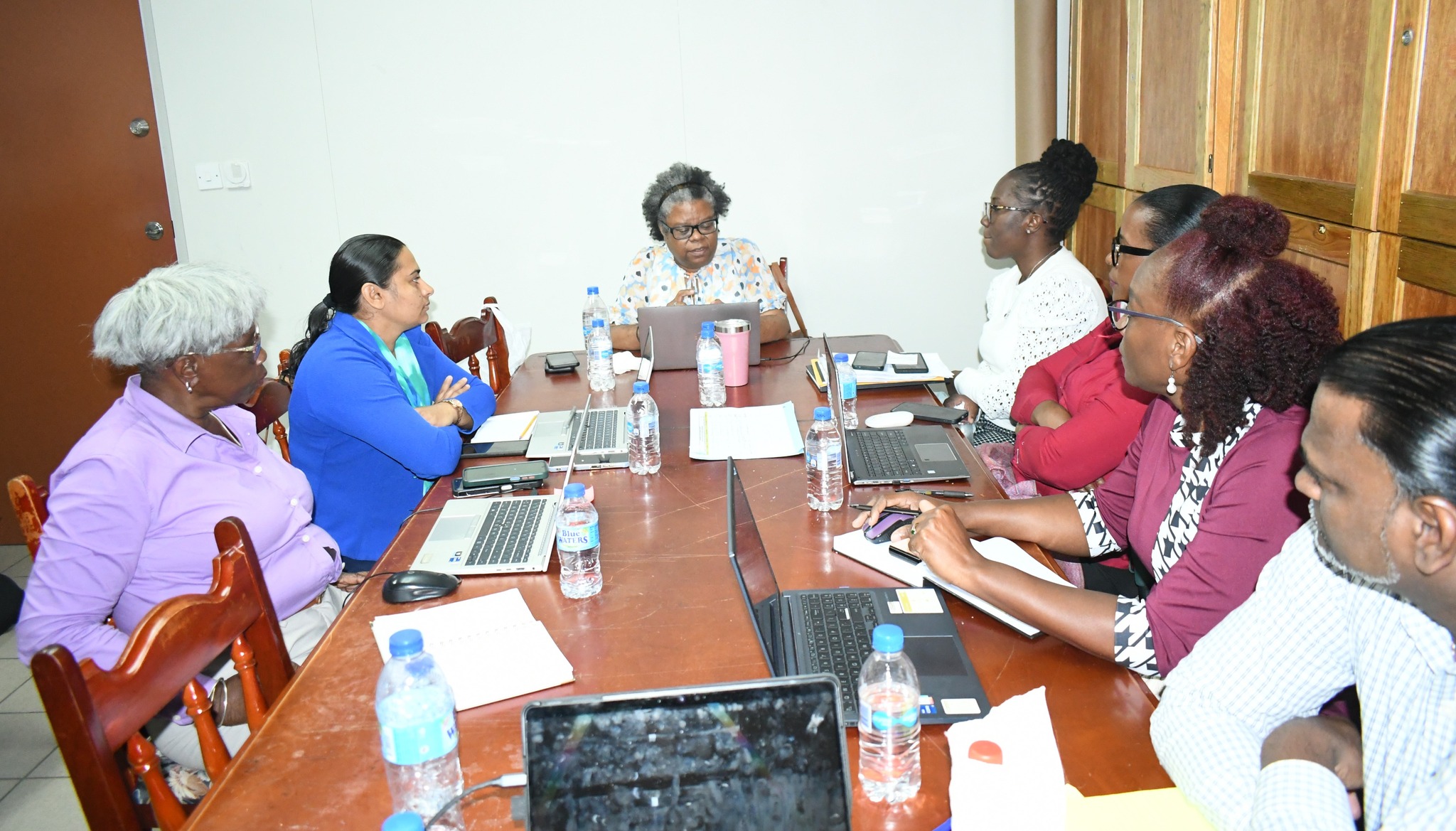
Stakeholders Engage in Consultations to Strengthen National Youth Policy
The Department of Youth Development and Sports, through its Youth Unit, has commenced a four-day series of half-day closed stakeholder consultations aimed at strengthening the development and...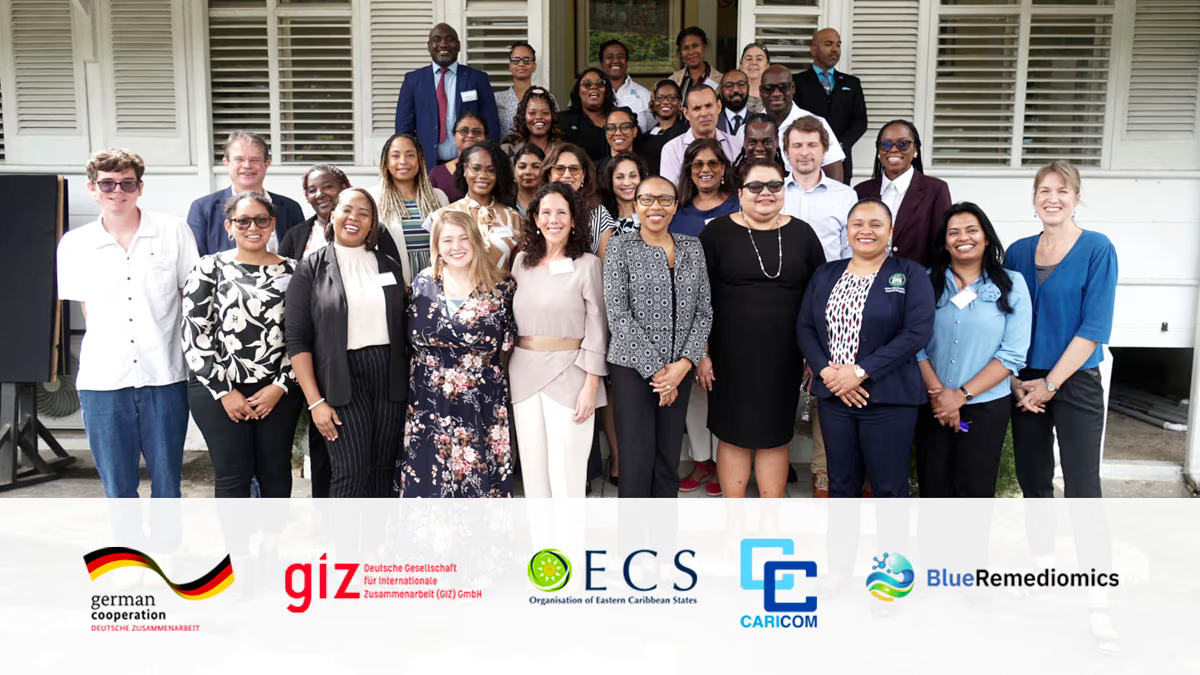
Regional Workshop Strengthens Caribbean Capacity on Genetic Resources
Regional policymakers, scientists, and biodiversity experts gathered from March 3-5, 2026, at The University of the West Indies (UWI), St.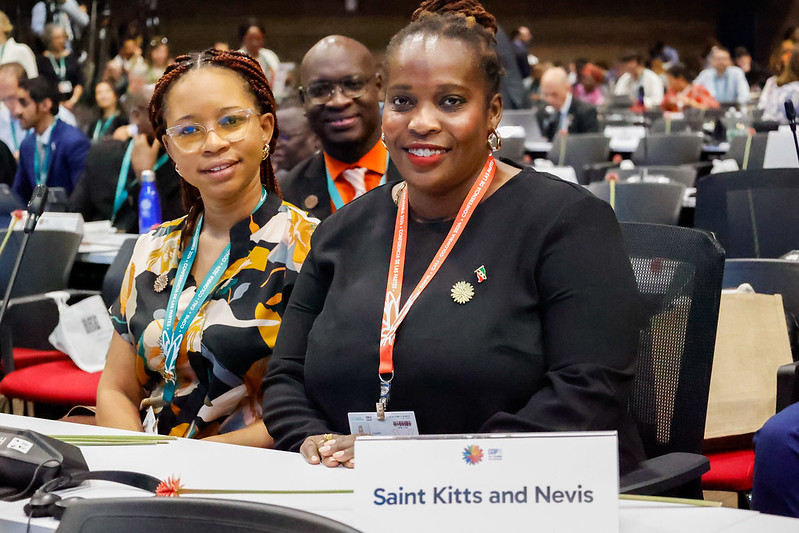
Statement by Hon. Dr. Joyelle Clarke, Minister of Sustainable Development, Environment, Climate Action and Constituency Empowerment of Saint Kitts and Nevis| High-Level Segment, 16th Meeting of the Conference of Parties of the UN Convention on Biological Diversity| Cali, Colombia| 30 October 2024
"The fight for biodiversity cannot be disentangled from the climate crisis. This is why our commitment to the Kunming-Montreal Biodiversity Framework is especially critical and why Saint KittsRelated Stories
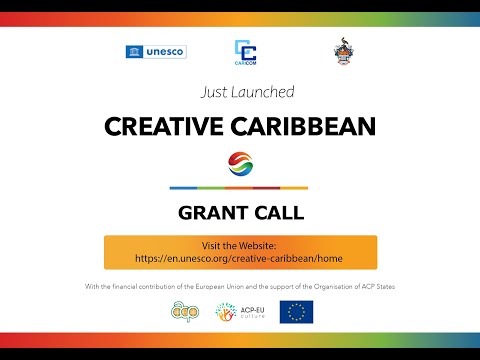
Applications open for Creatives to apply for ACP-EU Grant Support Programme
(UNESCO, Kingston, Jamaica) Creatives can now apply for grant funding from the ACP-EU 3 million Euro Grant Support Programme available in 15 Caribbean Countries. The Programme will support...
CARICOM fine-tuning financing mechanisms for Cultural Industries
As the Caribbean Community (CARICOM) continues to create the enabling environment for Cultural Industries to thrive, people involved in the creation, production, and distribution of cultural...