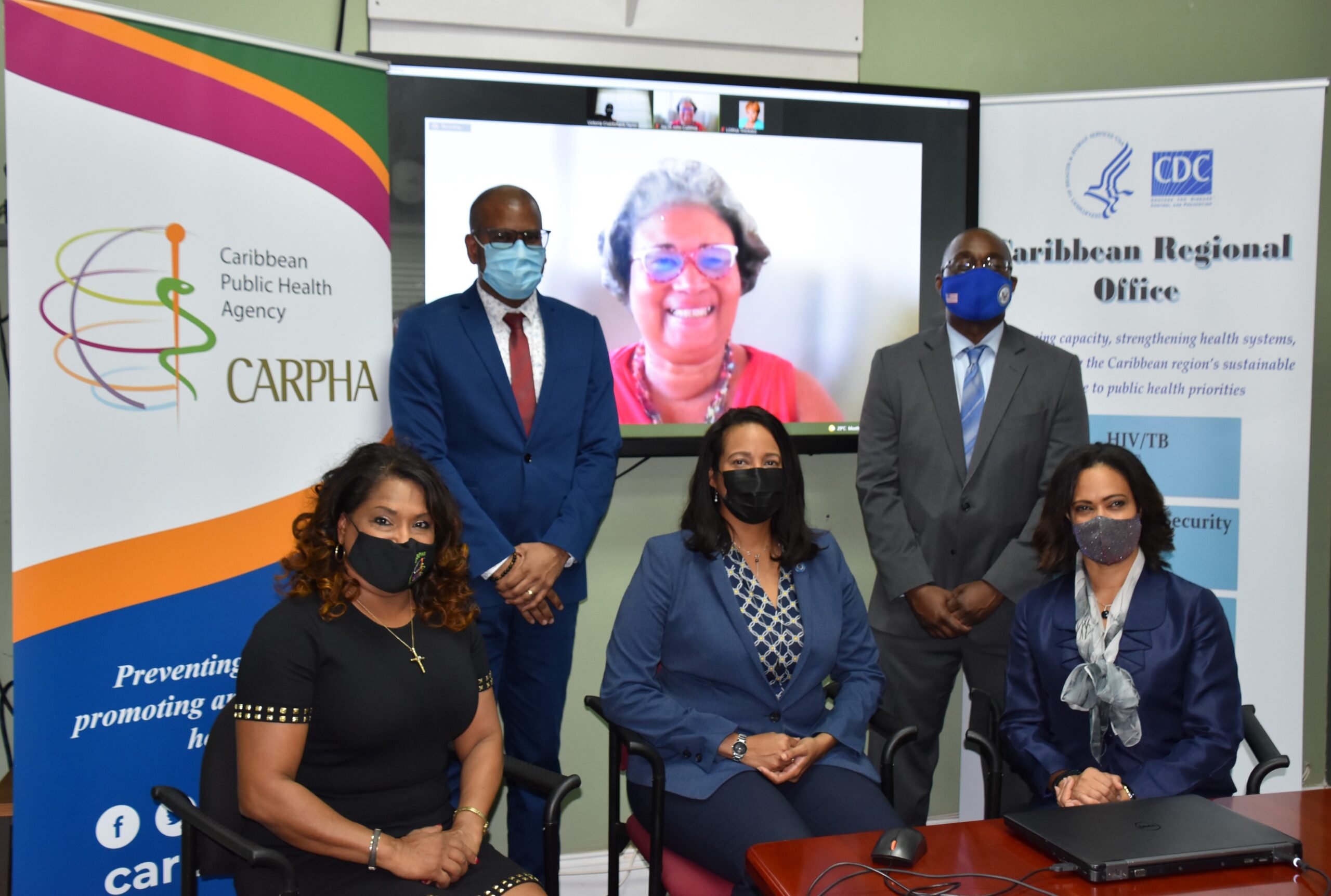
CARPHA Declares Chikungunya Control And Ebola Preparedness Top Public Health Priorities
CARPHA declares chikungunya control and preparedness for Ebola virus disease top public health priorities for the Region at this time and they are currently receiving our greatest attention.
The number of reported cases of chikungunya continues to increase, and provides a challenge to public health services. CARPHA continues to provide laboratory testing for chikungunya in the English-speaking Caribbean. However, those being tested and reported represent only the “tip of the iceberg”. We are aware that many individuals are self-treating and not presenting to health care facilities. They are therefore not included in the numbers presented by CARPHA and Ministries of Health in the Region. We expect that the number of people infected with chikungunya will continue to increase. This is primarily because the population is encountering this virus for the first time and does not have any immunity.
However, we can do a lot to minimize the spread of chikungunya through the concerted efforts of individuals and families, communities and neighbourhoods. Each and every one of us must take responsibility for our health by avoiding mosquito bites, especially during the period of fever with chikungunya, and preventing mosquitoes breeding, in and around our environment.
Preparation for the possibility of Ebola Virus Disease is also of paramount importance. As you may know, In the United States, the US CDC has reported the first imported case of Ebola in the Americas. This new development demonstrates the potential for the possible introduction of Ebola virus disease into any country. This case in Texas, is at one of the gateways to the Caribbean and provides further evidence that as a Region, we need to be alert and prepared, as a threat to regional health security may emerge from any country. There is no room for complacency, and we at CARPHA continue to work with all our member states, and our partners to bolster preparedness for Ebola, protect the health of the people and implement measures to minimise risk including those linked to the revised International Health Regulations (2005). These include measures such as:
•Appropriate communication messages being disseminated to the general public, travellers, health care workers and educational institutions, ensuring that people know how to reduce their risk and what to do if they become ill or are exposed;
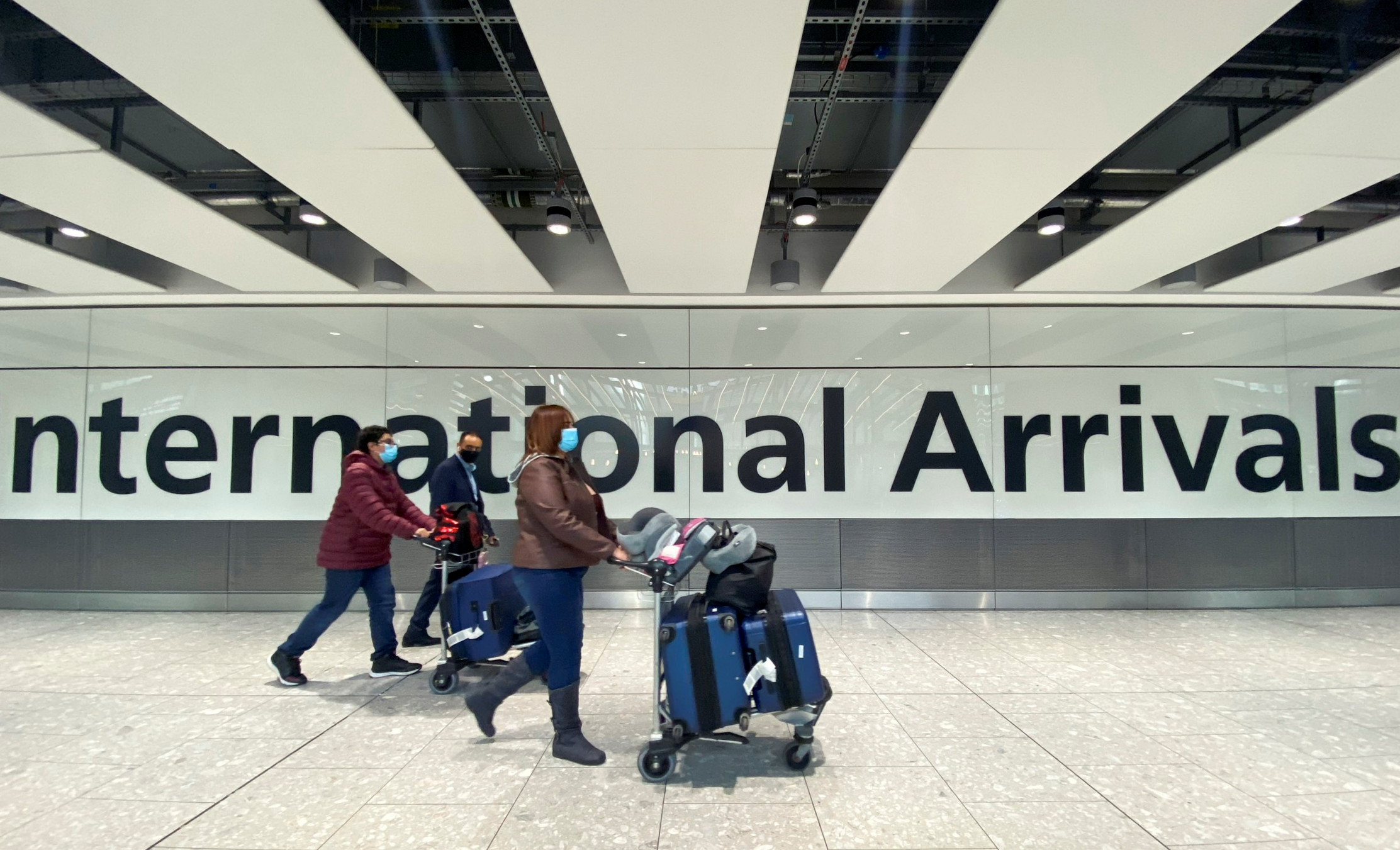
•Strengthening of systems at Ports of Entry to handle travellers from countries where the Ebola Virus Disease is in circulation and to provide advice to travellers arriving from these countries;
•Review of available Infection Prevention and Control guidelines for Ebola by the personnel within the health care system and acquisition of appropriate Personal Protective Equipment.
I recently returned from Washington DC, where I participated in meetings with the CARPHA Executive Board, the CARICOM Ministerial Council for Health and Social Development, and the PAHO Directing Council Regional Committee of WHO for the Americas. High on the agenda at each of these meetings were the increasing numbers of cases of Chikungunya and methods for control, and preparedness for Ebola virus disease, which is linked to implementation of the revised International Health Regulations (2005).
I would like to assure you that CARPHA, along with its member states, the CARICOM Secretariat and PAHO are committed to working together to strengthen our individual abilities to respond and to protect the health of our people and implement measures to minimize risk of these diseases.
You may also be interested in:
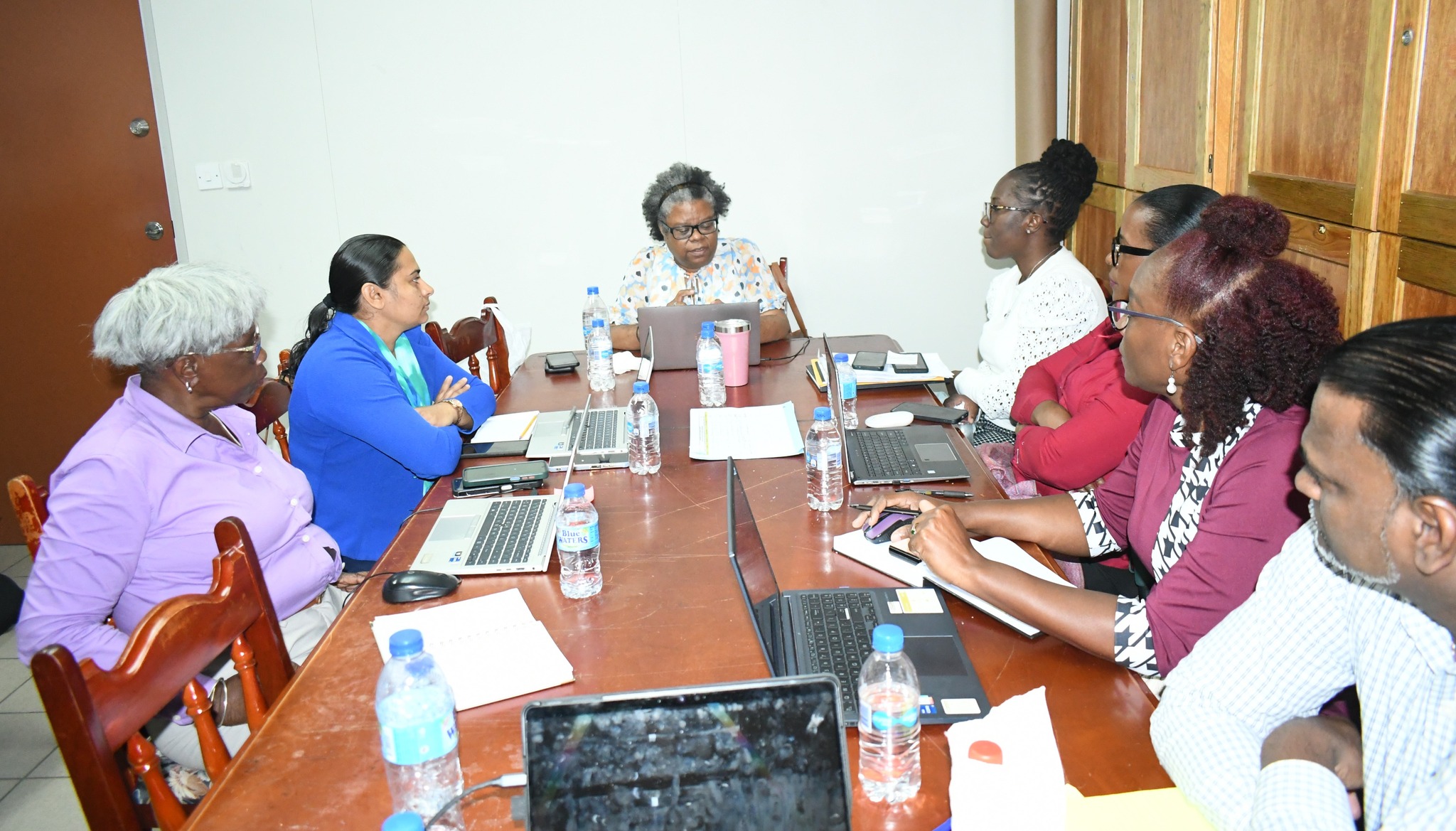
Stakeholders Engage in Consultations to Strengthen National Youth Policy
The Department of Youth Development and Sports, through its Youth Unit, has commenced a four-day series of half-day closed stakeholder consultations aimed at strengthening the development and...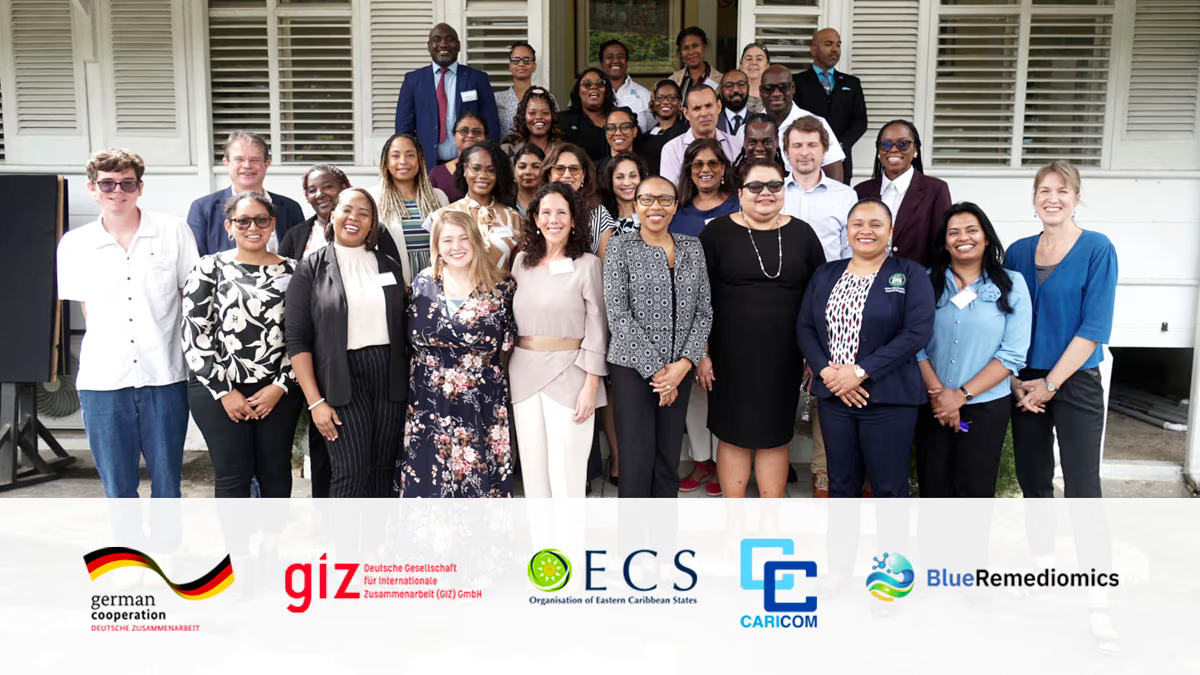
Regional Workshop Strengthens Caribbean Capacity on Genetic Resources
Regional policymakers, scientists, and biodiversity experts gathered from March 3-5, 2026, at The University of the West Indies (UWI), St.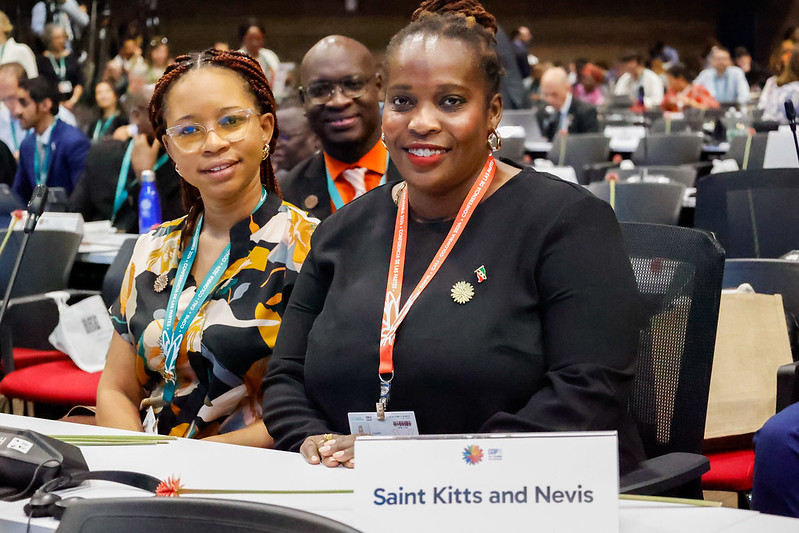
Statement by Hon. Dr. Joyelle Clarke, Minister of Sustainable Development, Environment, Climate Action and Constituency Empowerment of Saint Kitts and Nevis| High-Level Segment, 16th Meeting of the Conference of Parties of the UN Convention on Biological Diversity| Cali, Colombia| 30 October 2024
"The fight for biodiversity cannot be disentangled from the climate crisis. This is why our commitment to the Kunming-Montreal Biodiversity Framework is especially critical and why Saint KittsRelated Stories
CARPHA: The Decision to Impose Travel Entry Requirements Belongs to the National Authorities
Port of Spain, Trinidad and Tobago.
World Diabetes Day 2021
“Diabetes causes death and disability. Complications from diabetes can lead to heart attack, stroke, blindness, kidney failure and lower limb amputation. This disease can adversely affect both...