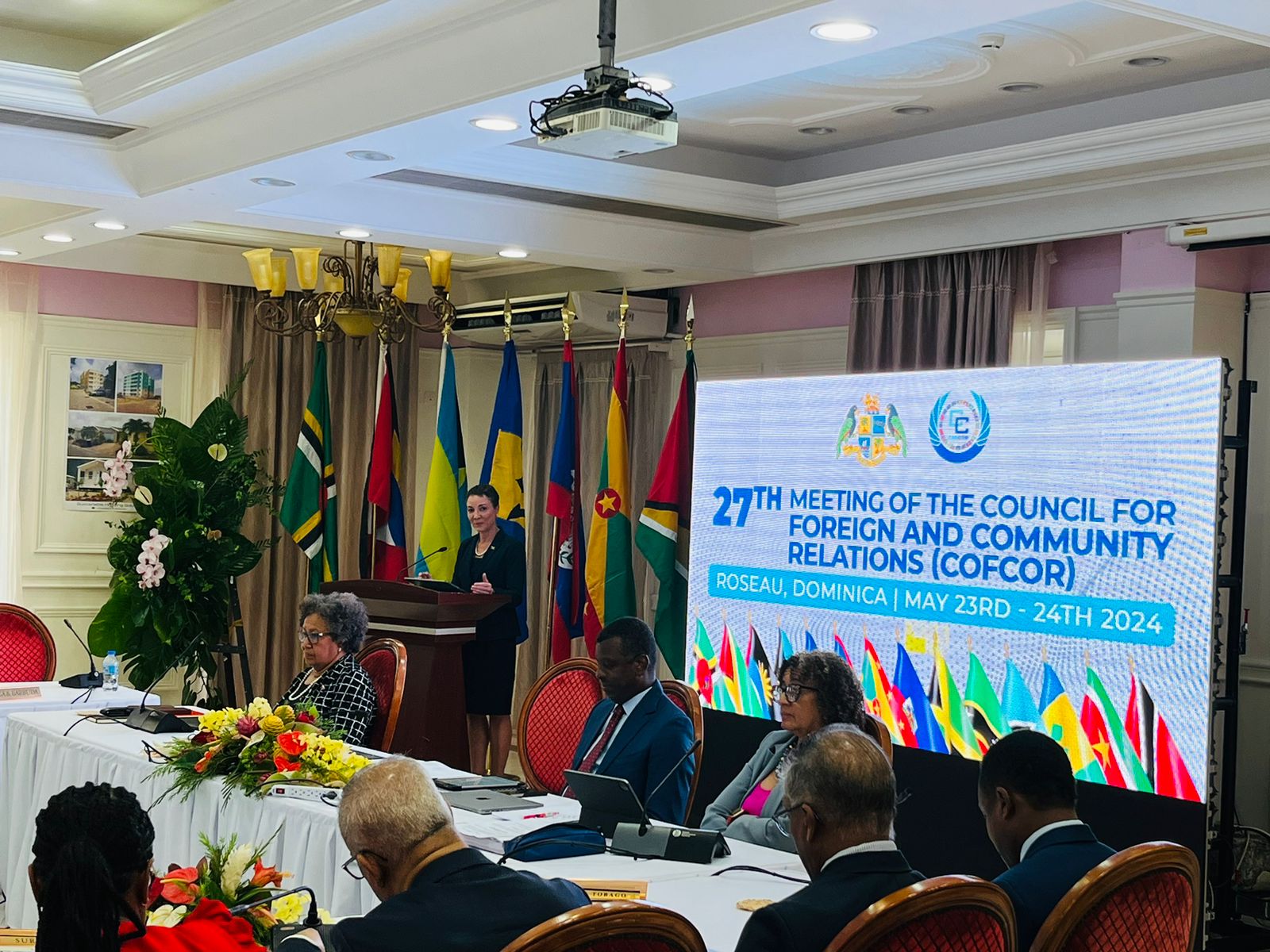
CARICOM SECRETARIAT ASSISTING THE FIGHT AGAINST DRUG TRAFFICKING
(CARICOM Secretariat, Turkeyen, Greater Georgetown, Guyana) In its bid to rid the Region of substance misuse and abuse, the Caribbean Community (CARICOM) Secretariat is pulling out all stops to reduce the demand for and supply of illicit drugs.
Its most recent initiative is an offensive aimed at reducing the supply of illicit drugs through behaviour-change communication campaigns at the national level.
In this regard, the Secretariat, with support from the 9th EDF programme of the European Commission, is training key stakeholders within Member States to develop and use effective public education and behaviour change communication strategies to target female drug traffickers.
The rationale is to target women who are used as drug couriers (mules), empower them through education and present opportunities through an enabling environment as an alternative to illicit trafficking.
The first of a series of such capacity building workshop takes place in Saint Lucia, on 26-27 November, where regional stakeholders, such as directors of national drug councils, law enforcement representatives, civic and non-governmental organisations, and youth representatives will meet to develop effective public education campaigns ultimately aimed at reducing drug trafficking.
It is anticipated that at the end of the two days, participants would have gained skills to be able to develop their own campaigns and to relay the training to other stakeholders in an effort to assist key institutions in managing drug demand reduction and contribute to supply reduction at the national level.
The Workshop will also produce as one of its tangible outcomes, a Draft handbook on Developing Effective Public Education Campaigns Targeting Illicit Traffickers. This handbook will be further refined by a consultant and used as a guide for CARICOM Member States.
Among the topics to be treated by regional communication experts are: an introduction to Behaviour Change Communication (BCC); developing effective BCC Programmes and maximising message exposure.
One of the primary campaign tools that Member States will be trained to use as the centrepiece of their public education campaigns is an animated illustrative video titled Eva Goes to Foreign, which, through a dramatic storyline, depicts the social, physical and judicial consequences of illicit trafficking by females.
At the workshop in Saint Lucia, this video will be screened and used to illustrate some of the major elements of an effective public education campaign. Participants will also be trained in how to adapt and localise the Eva Goes to Foreign video to maximise its use in national public education campaigns.
You may also be interested in:
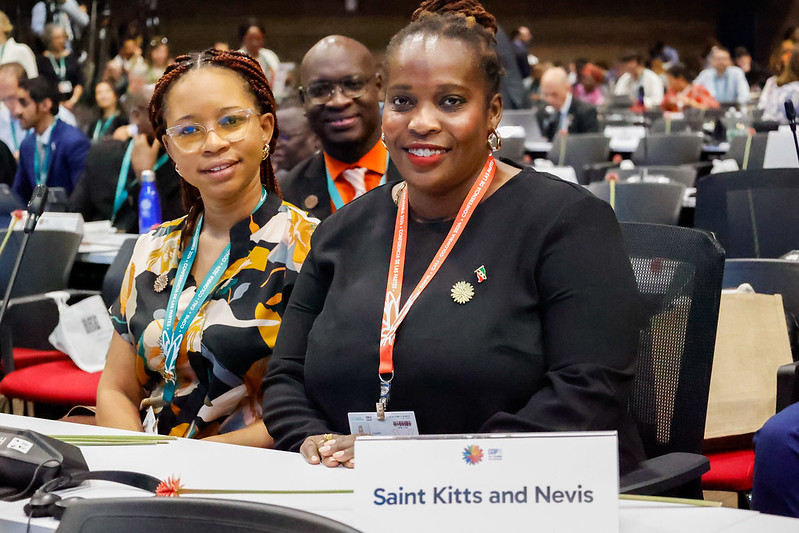
Statement by Hon. Dr. Joyelle Clarke, Minister of Sustainable Development, Environment, Climate Action and Constituency Empowerment of Saint Kitts and Nevis| High-Level Segment, 16th Meeting of the Conference of Parties of the UN Convention on Biological Diversity| Cali, Colombia| 30 October 2024
"The fight for biodiversity cannot be disentangled from the climate crisis. This is why our commitment to the Kunming-Montreal Biodiversity Framework is especially critical and why Saint Kitts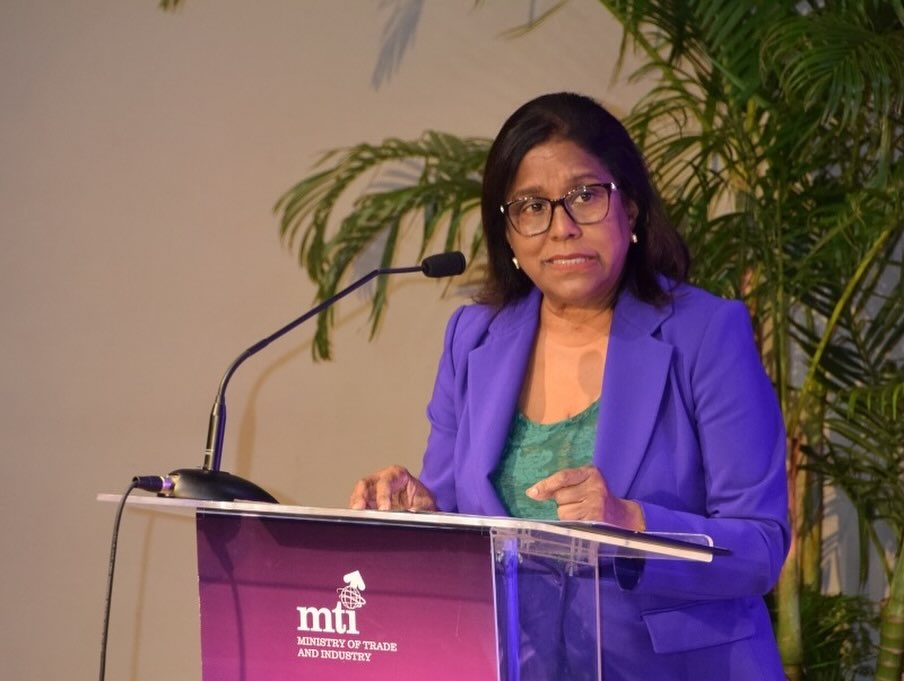
Remarks by Senator the Hon. Paula Gopee-Scoon, Minister of Trade and Industry of Trinidad and Tobago, and Chair of the Council for Trade and Economic Development (COTED), at a meeting with Ambassador Katherine Tai, U.S. Trade Representative, 2 August 2024.
Let me first express my extreme delight in joining Minister Todd and representatives of the CARICOM Secretariat in welcoming Ambassador Tai to Guyana and CARICOM.