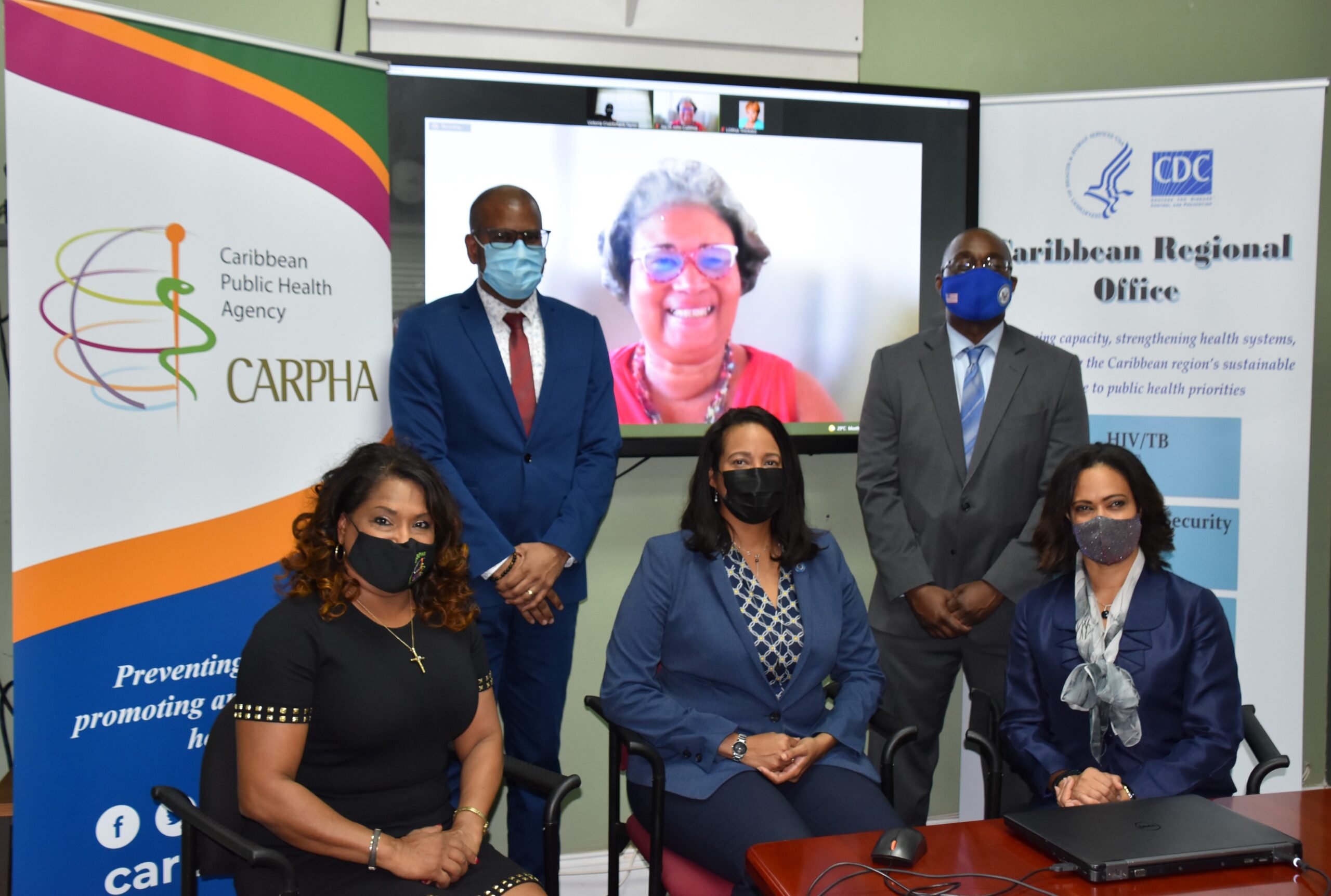
CARICOM - Regional conference to tackle childhood obesity
BRIDGETOWN, Barbados, Feb 9, CMC – Representatives of regional health organisations are meeting here this week to map out a plan to prevent childhood obesity through improved food and nutrition security.
The two-day high-level meeting is being hosted by the Caribbean Public Health Agency (CARPHA) in response to growing concerns among the region’s health officials that 20-30 percent of the Caribbean’s children are overweight or obese.
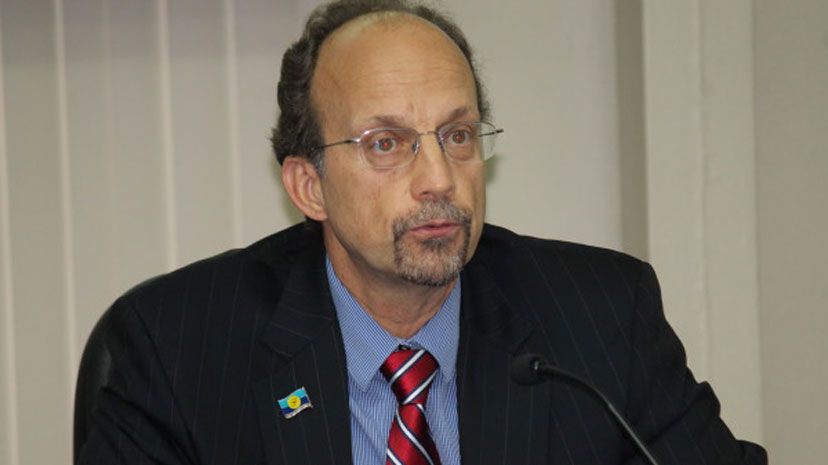
Executive Director of CARPHA, Dr James Hospedales, admitted it will not be an easy task. However he reminded the meeting that the region is up to the challenge, as it has successfully tackled previous health challenges in the past.
“No country in the world has turned around an obesity epidemic at national level. But we in the Caribbean have faced major challenges before successfully. The elimination of measles and rubella first in the world is an example. The massive scale up in response to HIV/AIDS so much so that we are now talking about ending that epidemic. So why shouldn’t we be the first region in the world to turn around an obesity epidemic, beginning with our children?” he said.
Sub-regional Programme Coordinator of the Pan American Health Organisation (PAHO), Jessie Schutt-Aine, told the opening on Tuesday night that childhood obesity is a rapidly growing epidemic, putting children at a higher risk of developing serious health problems including diabetes, heart disease and leading to premature death and disability later in life.
She added that available data indicates that in one generation, the Caribbean has moved from problems of malnutrition and underweight children to the other extreme.
“Over the last 35 years, there has been a major shift in diets moving away from staple foods that are indigenous to the region, such as papaya, pineapple, mango, and locally grown fruits and vegetables towards foods that are highly processed and foods with added sugars, fats and sodium. In this context our increased dependence on food imports has had a great impact on the nutritional quality and price of foods available within the region.
“As a result, the increasing burden of obesity and non-communicable diseases poses an enormous financial strain on the health systems and the economy, and also the loss of economic productivity,” Schutt-Aine said.
According to her, a study led by PAHO in collaboration with Harvard University in Jamaica estimated the economic impact of NCDs and mental health to be $17.22 billion, equivalent to a reduction of 3.9 percent in Gross Domestic Product annually.
“To put these figures into context, the projected impact of NCDs on the GDP is equivalent to 18.8 times the level of health expenditure for Jamaica in 2013,” she said.
Caribbean Community (CARICOM) Heads of Government have provided clear directions to combat this growing problem.
At last year’s heads of government conference, regional leaders made a number requests to stop the epidemic, including: compulsory food labelling of all commercially manufactured goods; reducing the marketing of harmful foods and beverages to children; increased taxation of salty, sugary and trans-fats containing foods; inclusion of nutrition education in school curricula which emphasise the importance of public education and physical exercise, and re-examination of the promotion of regional sufficiency in indigenous foods.
President of regional civil society alliance, Healthy Caribbean Coalition (HCC), Sir Trevor Hassell, said Caribbean Civil society will be actively engaged in the prevention of childhood obesity during the United Nations Decade of Action on Nutrition 2016-2025.
“To this end, the Healthy Caribbean Coalition will in March of this year release a Caribbean Civil Society Childhood Obesity Plan, 2017-2021, and next week at an HCC regional, multi-stakeholder Workshop in Antigua, we will announce the start of a region-wide civil society advocacy campaign and programme aimed at banning the sale, marketing, promotion and availability of sugar sweetened beverages in schools,” Sir Trevor said.
You may also be interested in:
Stakeholders Engage in Consultations to Strengthen National Youth Policy
The Department of Youth Development and Sports, through its Youth Unit, has commenced a four-day series of half-day closed stakeholder consultations aimed at strengthening the development and...
Regional Workshop Strengthens Caribbean Capacity on Genetic Resources
Regional policymakers, scientists, and biodiversity experts gathered from March 3-5, 2026, at The University of the West Indies (UWI), St.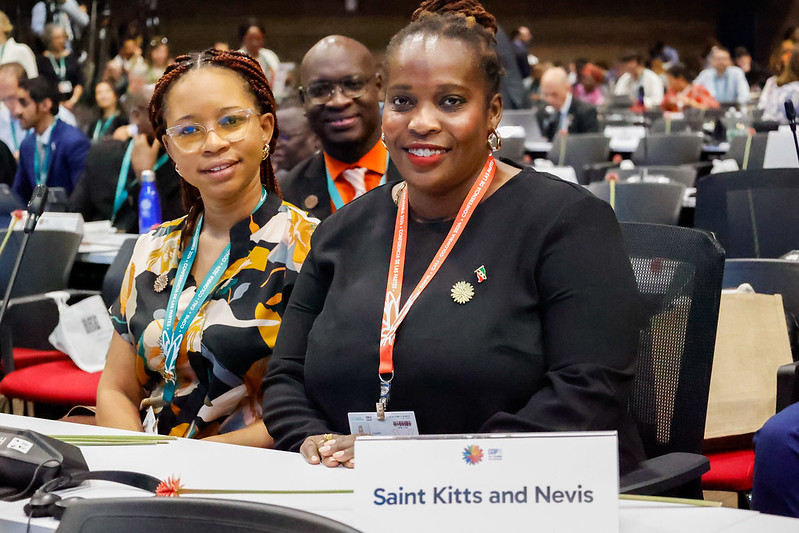
Statement by Hon. Dr. Joyelle Clarke, Minister of Sustainable Development, Environment, Climate Action and Constituency Empowerment of Saint Kitts and Nevis| High-Level Segment, 16th Meeting of the Conference of Parties of the UN Convention on Biological Diversity| Cali, Colombia| 30 October 2024
"The fight for biodiversity cannot be disentangled from the climate crisis. This is why our commitment to the Kunming-Montreal Biodiversity Framework is especially critical and why Saint KittsRelated Stories
CARPHA: The Decision to Impose Travel Entry Requirements Belongs to the National Authorities
Port of Spain, Trinidad and Tobago.
World Diabetes Day 2021
“Diabetes causes death and disability. Complications from diabetes can lead to heart attack, stroke, blindness, kidney failure and lower limb amputation. This disease can adversely affect both...