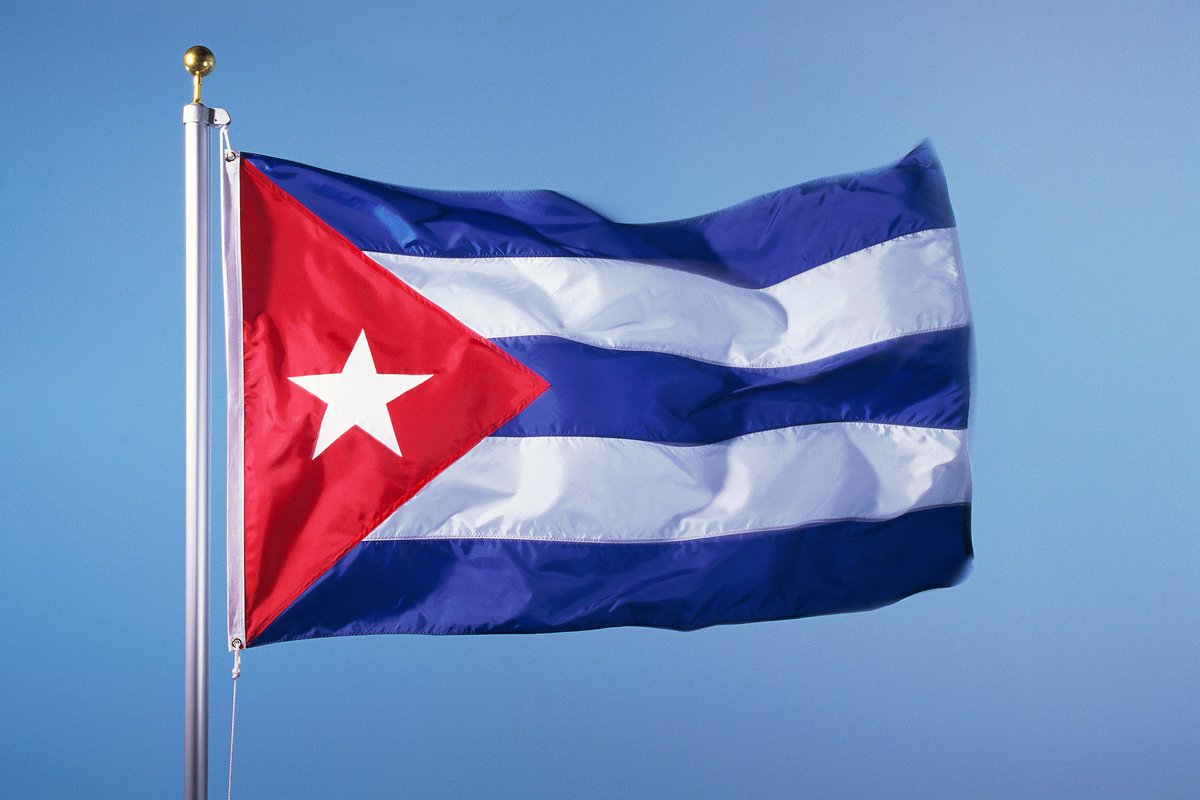
CARICOM: Preparations Underway in Cuba
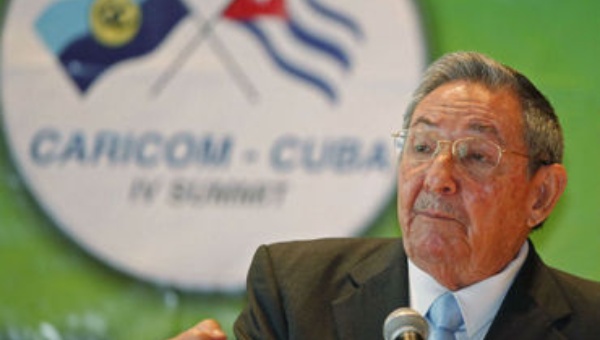
The fifth summit between Caricom nations and Cuba will be held in Havana. Caricom-Cuba continues to model stronger ties among Caribbean nations strengthing solidarity and cooperation in the region.
On Monday, the Fifth Caribbean Community (CARICOM) Summit with Cuba will take place in Havana. The Palace of the Revolution will be the headquarters for next week’s events where heads of state will gather to discuss integration and cooperation.
Cuban President Raul Castro will receive heads of state and high ranking officials from countries across the Caribbean beginning this Saturday.
Thus far the Cuban Foreign Ministry has confirmed the arrival of presidents of Surinam, Grenada, Guyana and Antigua and Barbuda after noon today. The arrival of the heads of delegations from Barbados, Jamaica and Saint Vincent and the Grenadines are also expected on Saturday.
General Director of the Cuban Press, Community and Image for the Foreign Ministry (Minrex), Alejandro Gonzalez Galeano, confirmed at the inauguration of the press room and website that there are 20 functioning computers and free wi-fi access. Additionally, the official website for the event: caricom.cubaminrex.cu, was also inaugurated ahead of Monday’s events.
Caricom was created in 1973 as a mechanism for trade amongst Caribbean nations however, significantly co-opted to US free trade markets.
Caricom full member nations include: Antigua and Barbuda, Bahamas, Barbados, Belize, Dominica, Grenada, Guyana, Haiti, Jamaica, Montserrat, Saint Kitts and Nevis, Saint Lucia, Saint Vincent and the Grenadines, Surinam as well as Trinidad and Tobago.
However, in December 2002, the Caricom-Cuba cooperation model was founded on the 30th anniversary when Barbados, Guyana, Jamaica and Trinidad and Tobago decided to establish diplomatic ties with Cuba despite Washington’s wishes. Caricom held its first summit with Cuba that very year.
In accordance with the Havana Declaration of 2002, a summit is held every three years between Caricom and Cuba to strengthen diplomatic ties and commercial cooperation. December 8 is Caricom-Cuba Day.
You may also be interested in:
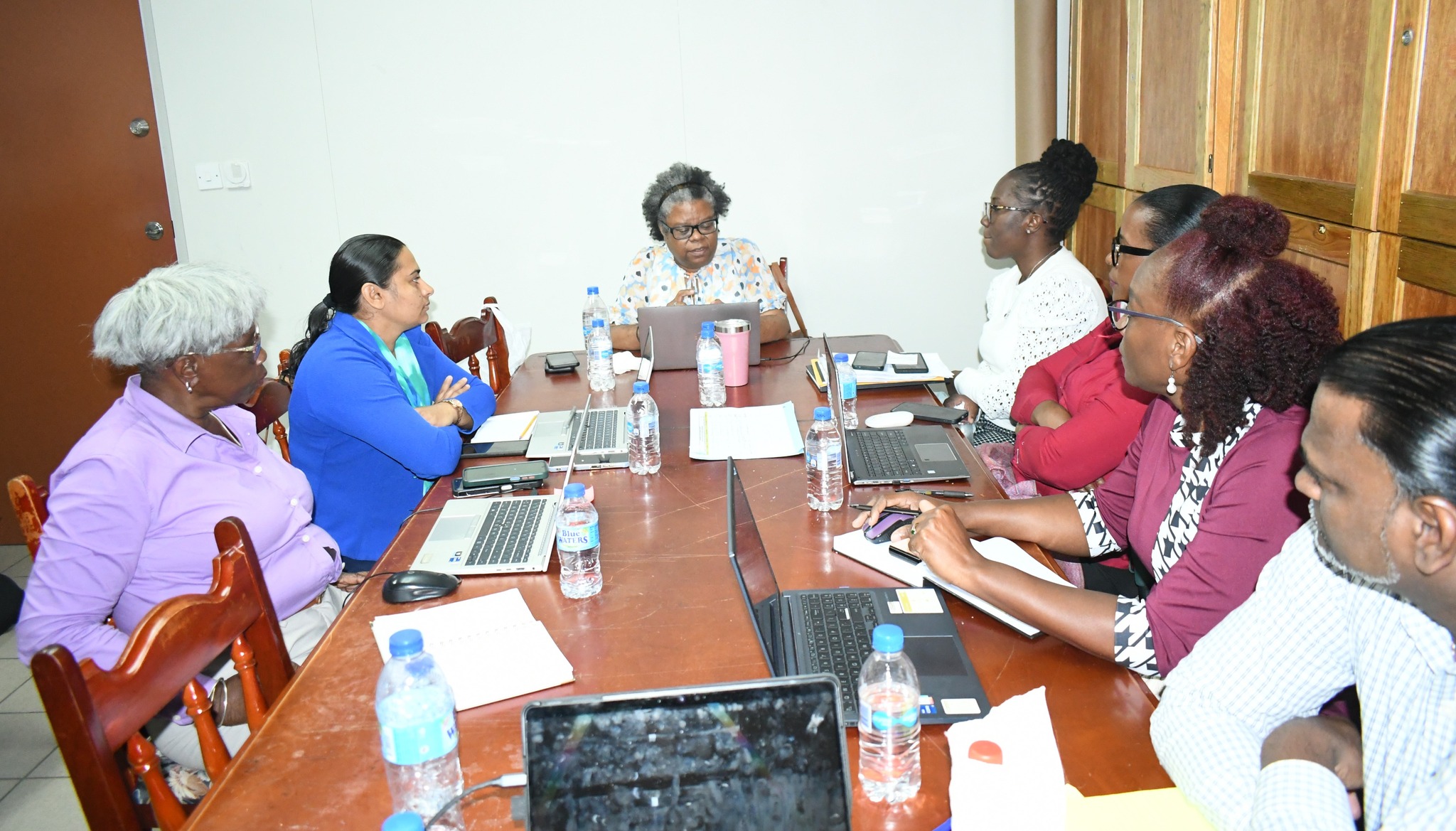
Stakeholders Engage in Consultations to Strengthen National Youth Policy
The Department of Youth Development and Sports, through its Youth Unit, has commenced a four-day series of half-day closed stakeholder consultations aimed at strengthening the development and...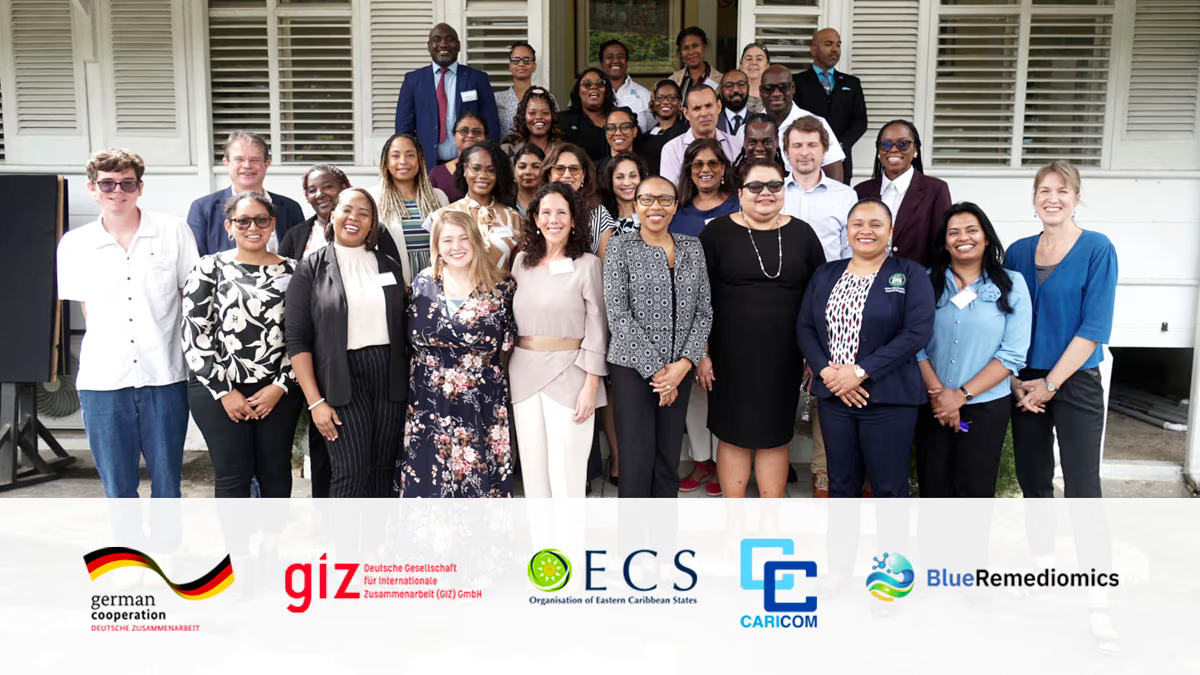
Regional Workshop Strengthens Caribbean Capacity on Genetic Resources
Regional policymakers, scientists, and biodiversity experts gathered from March 3-5, 2026, at The University of the West Indies (UWI), St.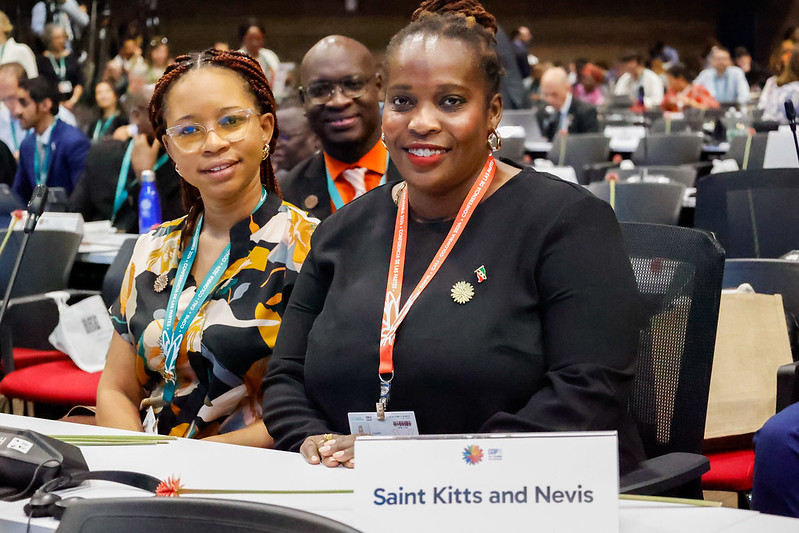
Statement by Hon. Dr. Joyelle Clarke, Minister of Sustainable Development, Environment, Climate Action and Constituency Empowerment of Saint Kitts and Nevis| High-Level Segment, 16th Meeting of the Conference of Parties of the UN Convention on Biological Diversity| Cali, Colombia| 30 October 2024
"The fight for biodiversity cannot be disentangled from the climate crisis. This is why our commitment to the Kunming-Montreal Biodiversity Framework is especially critical and why Saint KittsRelated Stories
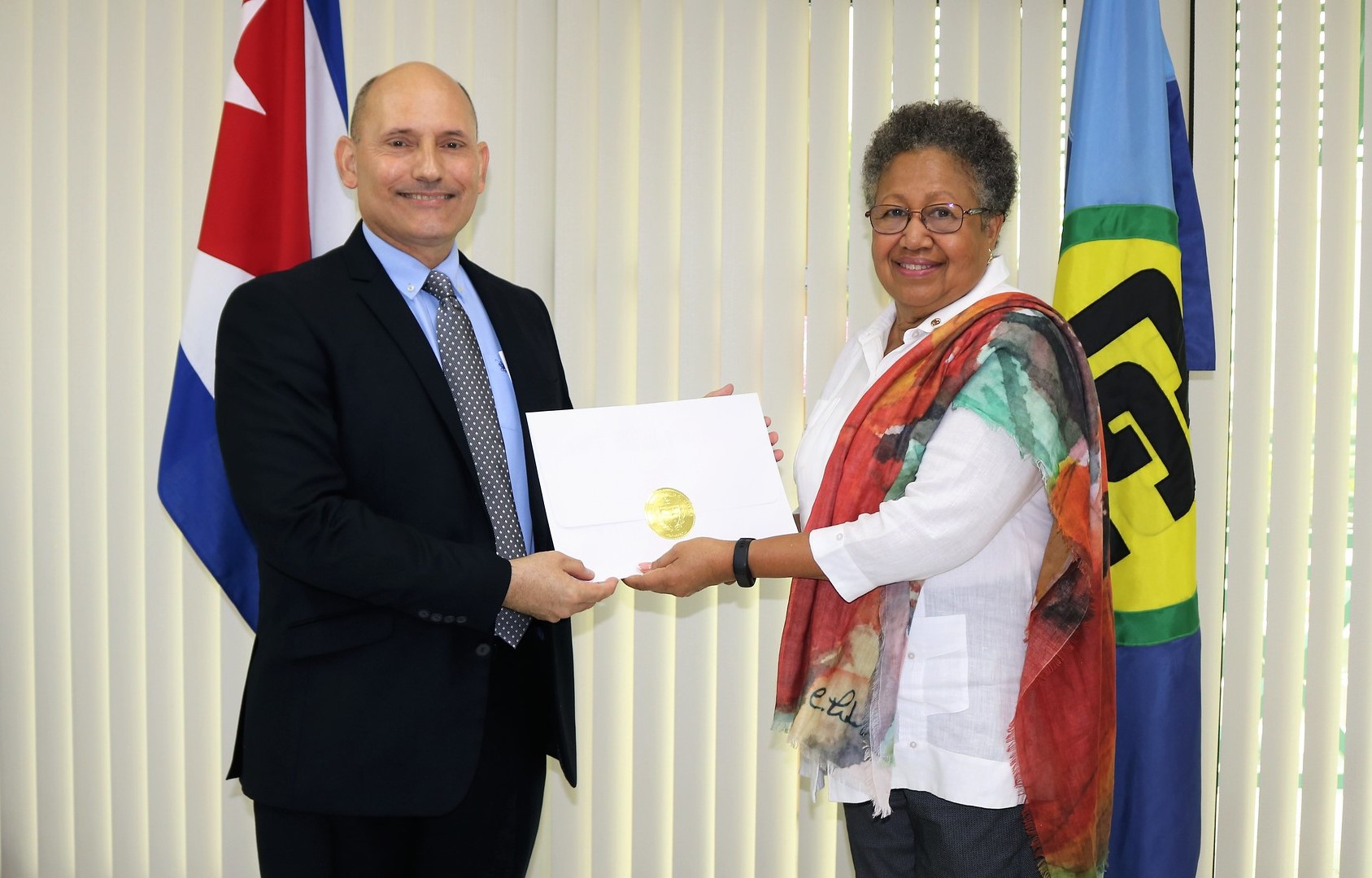
Remarks by Dr Carla N. Barnett, Secretary-General of the Caribbean Community (CARICOM) on the occasion of the Presentation of Credentials by H.E. Jorge Francisco Soberon Luis, Plenipotentiary Representative of the Republic of Cuba to the Caribbean Community, Georgetown, Guyana, 3 May 2023
Your Excellency Jorge Francisco Soberon Luis, Plenipotentiary Representative Designate of the Republic of Cuba to the Caribbean Community (CARICOM); Ambassador Donna Forde, Assistant...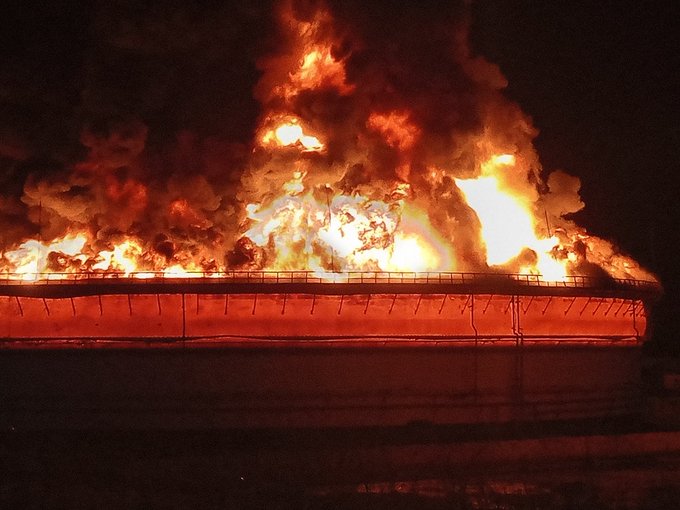
CARICOM Statement on the disastrous fire in Matanzas, Cuba
The Caribbean Community (CARICOM) stands with government and people of Cuba in the aftermath of the disastrous fire at the Port of Matanzas. We extend our condolences on the loss of life and wish