CARICOM launches Administrative Tribunal

BRIDGETOWN, Barbados, Feb 17, CMC - The Caribbean Community Administrative Tribunal (CCAT) was launched here on Monday with the President of the Trinidad-based Caribbean Court of Justice (CCJ), Adrian Saunders saying it represents the region’s commitment to upholding the rule of law.
Justice
Saunders, who is also the chairman of the Regional Judicial and Legal Services
Commission, sworn in the five member CCAT that will be based in Trinidad.
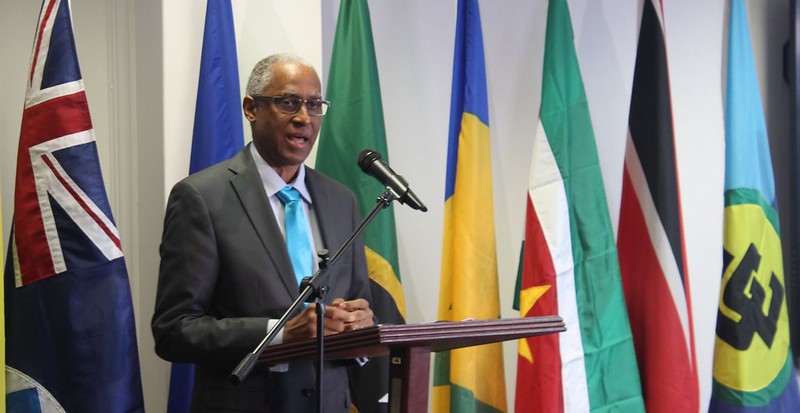
“The establishment
of this tribunal represents for me yet another indication of CARICOM’s
commitment to upholding the rule of law. The tribunal provides enhanced access
to justice for staff members of CARICOM institutions, and it is therefore with
a deep sense of pride and satisfaction that we witness today’s launch,” Justice
Saunders told the ceremony held at the headquarters of the Caribbean
Examinations Council (CXC).
He applauded the efforts of The University of the West Indies, the CCJ, the European Union and the International Labour Organization (ILO) as well as the various CARICOM institutions, for their inspiration, assistance and determination to ensure the CCAT became a reality.
“Before
today’s launch, CARICOM was in the undesirable position where the staff of its
institutions faced obstacles in having reviewed internal administrative and
disciplinary decisions with which they were not entirely satisfied. The
establishment of CCAT seeks to close that gap.”
He said the
tribunal had important and interconnected responsibilities and provides the
avenue for the open ventilation and final resolution of employment related
grievances between CARICOM institutions and staff members.
It also
affords protection to staff members when they have to contend with the possibility
of wanting to seek judicial review before national courts, and it avoids them
having to plead their diplomatic immunity before the national courts of member
states.
Justice
Saunders said it affords those staff members adjudicatory outcomes that would
be no less efficient and effective than those that would ordinarily have been
otherwise obtained in the domestic courts.
Endorsing the
view that the region should not regard the CCAT as a CCJ institution, Justice
Saunders stressed that there were very practical issues which mitigate against
any such perception.
“We mustn’t
forget that the staff of the CCJ, themselves, are entitled to access the
institution, and therefore it is very problematic for the CCAT to be regarded
as a CCJ body,” he said, noting that in the statute, appeals from the CCAT can
go to the CCJ.
The five
members are: President, Patterson Cheltenham (Barbados); Lisa Shoman (Belize);
J. Emile Ferdinand (St. Kitts and Nevis, Commonwealth of Dominica); Dancia Penn
(The British Virgin Islands); and Westmin James (Trinidad and Tobago).
CARICOM
leaders, who meet here on Tuesday for their two-day Inter-sessional summit, had
established Tribunal at their 30th Inter-sessional Meeting in St. Kitts-Nevis
last year.
Meanwhile,
Barbados Labour and Social Partnership Relations Minister, Colin Jordan, said
Bridgeton welcomes the establishment of the CCAT with its independent judges
and its capacity to protect workers.
Jordan said it
recognizes that regional workers must be protected and that mechanisms have to
be created to facilitate that protection.
“That
protection must not just be theoretical; there must be practical outcomes,
practical instruments and practical organizations that speak to the protection
that we offer to our workers.
“Too often,
organizations and those who lead organizations view these constructs either as
enemies or as opponents; the Trade Union Movement knows that but that is also a
perspective sometimes shared as it relates to tribunals that have been set up
to create that atmosphere of justice for workers,” he pointed out.
While noting
that workers, as the engine of an organization and its human capital, must be
spoken to as human beings, Jordan added that with unequal power relations in
organizations, these workers needed protection.
He urged the
region to develop partnerships with CCAT adding “the Tribunal and organizations
that speak to bringing justice to workers should be seen as partners.
“And, I want
to encourage CARICOM member organizations to see this tribunal as part of a system
designed to partner with your respective organizations that will bring some
transparency to that worker-organization relationship.
“CARICOM, if it is to mean anything to the ordinary people of the Caribbean must be seen as an organization that exemplifies best practice and I think this tribunal, while created to speak to the regional workers of CARICOM member organizations, must be used as an example to ordinary people that CARICOM represents something that we can all aspire to – that CARICOM can be the exemplar of good practice in a wide variety of areas, including worker-management relations.”
Photo Gallery
Powered by flickr embed.
You may also be interested in:
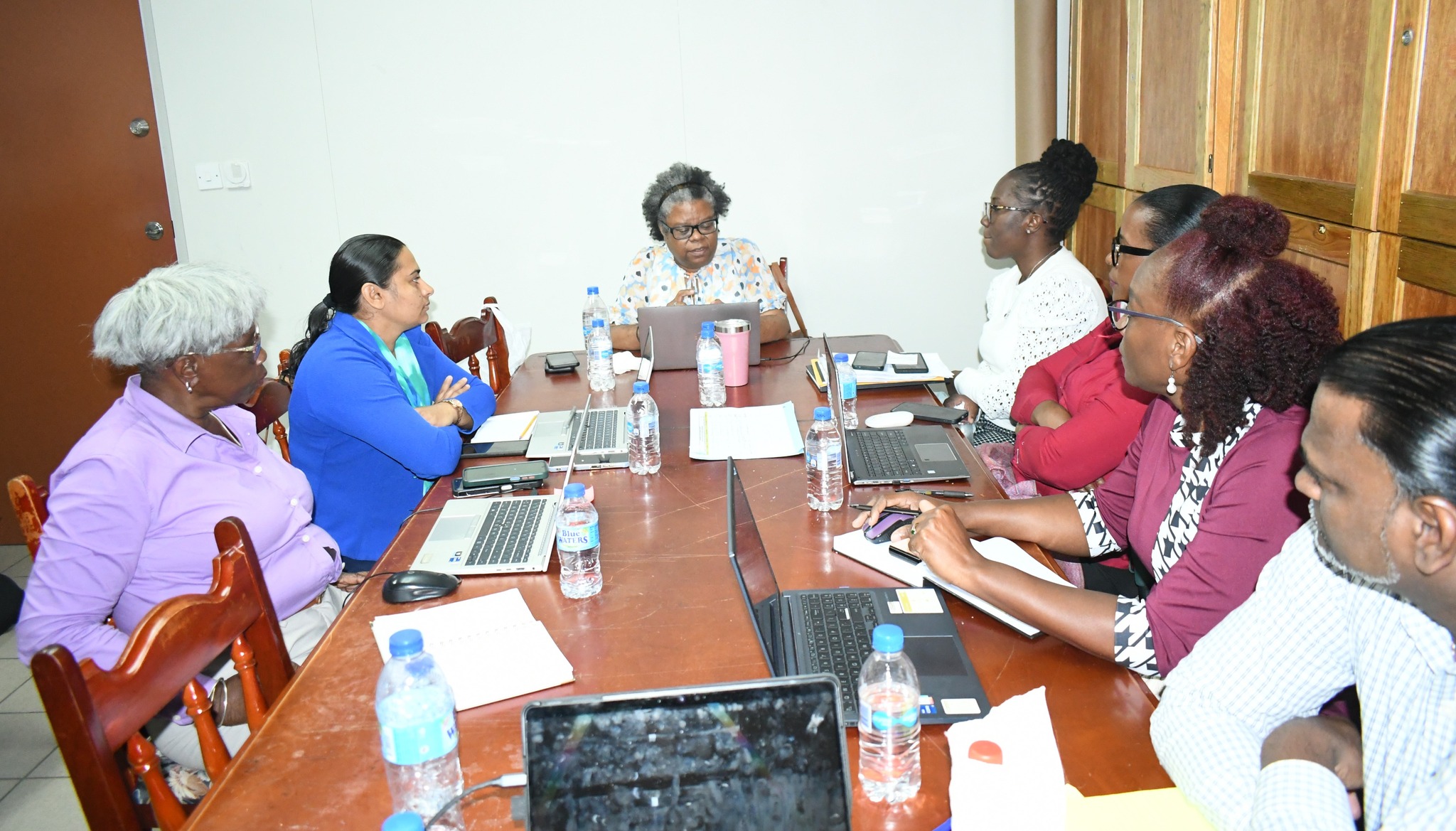
Stakeholders Engage in Consultations to Strengthen National Youth Policy
The Department of Youth Development and Sports, through its Youth Unit, has commenced a four-day series of half-day closed stakeholder consultations aimed at strengthening the development and imple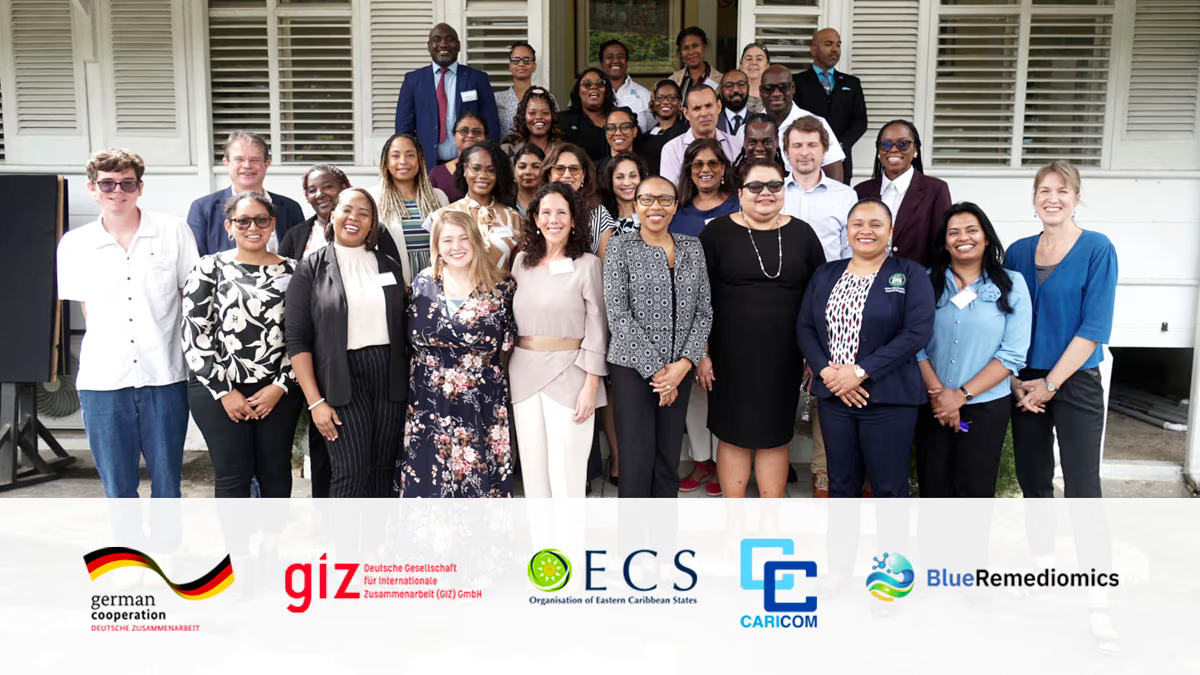
Regional Workshop Strengthens Caribbean Capacity on Genetic Resources
Regional policymakers, scientists, and biodiversity experts gathered from March 3-5, 2026, at The University of the West Indies (UWI), St.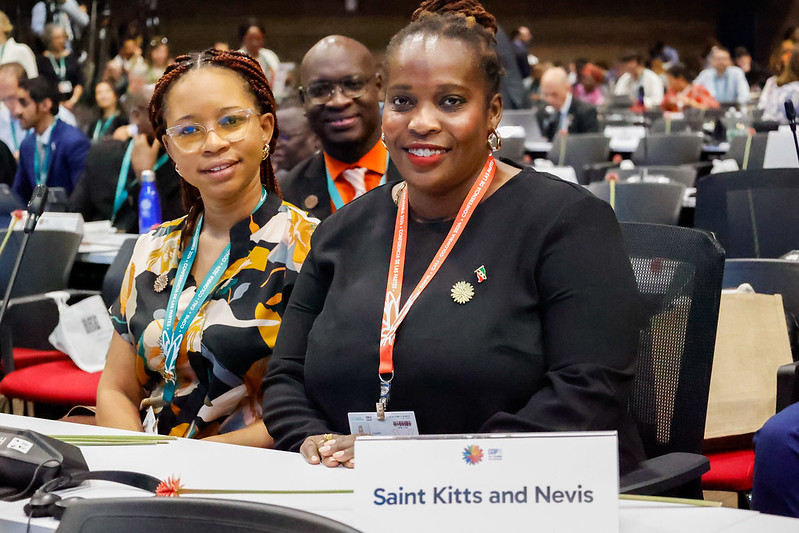
Related Stories