
CARICOM Heads to discuss Security: Regional law enforcement cooperation and coordination included

When Heads of Government of the Caribbean Community (CARICOM)
gather on 18-19 February 2020 for their Thirtieth Intersessional
Meeting in Barbados, high on the agenda is the issue of Security. More
specifically, the priority actions to strengthen regional law
enforcement cooperation and coordination among CARICOM States.
Citizen’s security is at the heart of the CARICOM Security agenda.
To this end, interventions, among other outcomes, seek to establish,
strengthen and protect democratic civic order, as well as to eliminate
violence and threats of violence among citizens to allow for safe and
peaceful co-existence.
Strengthening regional law enforcement cooperation and collaboration for effective outcomes is one such intervention. CARICOM’s complex security landscape and the ever-changing regional and international realities necessitate robust and comprehensive cooperation and collaboration.
Insecurity in the Region?
A brief snapshot of crime and security as articulated in the
Caribbean Community Security Strategy (CCSS), shows high rates of
homicide and violent crimes; trafficking in guns, ammunition and illegal
narcotics; organised crime rising cybercrime; and the growing power
of transnational and organised crime networks.
The upshot of this includes, youth violence, gangs and gender-based
violence, especially domestic and sexual violence against women and
girls, among other ills. Increased cyber and financial crimes on an
international scale mainly due to technological advancements.
Statistics indicate that the Caribbean region, while home to 8.5
per cent of the world’s population, disproportionately experiences
about 27 per cent of the world’s homicides; some Caribbean countries
rank among the highest in the world for the number of homicides per
100,000 people[i] .
The security threats caused by the impact of natural disasters is
another issue contributing to the vulnerability of states. Hurricanes,
tropical storms, floods and landslides damage critical infrastructure
and negatively affect economies. Moreover , in the aftermath of these
natural disasters security forces are often challenged to perform first
responder duties, whilst addressing law and order issues such as
looting, as the environment becomes conducive to various illicit
activities.
In addition to public health challenges, viruses and diseases moving
across borders given the interconnectedness of the Caribbean and the
world, also present security and others challenges.
While fear and violence limit opportunities for people and are
obstacles to human development, the exercise of human rights, and the
strengthening of democratic governance.
In nutshell, the upshot of the aforementioned issues is economic
growth undermined, social development impeded and environmental
sustainability
Steps in the CARICON’s response to achieve Citizen Security
CARICOM is fighting back and in doing so recognises the need for a
collaborative approach. It has put in place a number of interventions
which show the seriousness that Community decision makers have accorded
this issue.
These include reconfiguring the CARICOM architecture to add a fourth pillar: Security, since 2007; treating with security policy at the political level through
the establishment of the Council for National Security and Law
Enforcement (CONSLE) to coordinate policy across the Community; establishing a specialised regional institution,
the CARICOM Implementing Agency for Crime and Security (IMPACS) with
its sub-agencies to coordinate and to provide leadership of the
technical and operational aspects of the CARICOM response; developing and implementing the 2008 Social and Development Crime Prevention Action Plan and 2013 CARICOM Crime and Security Strategy (CCSS) mainstreaming security in the Community Strategic Plan 2015-2019 which identifies Enhancing Citizen Security and Justice as a strategy of its Social Resilience Strategic Priority; among others
In December 2015, the CARICOM Region was among the first to adopt
the first-ever universal, legally binding global climate global climate
deal at the Paris Climate Conference (COP21), due to enter into force in
2020. Natural disasters are considered a perpetual imminent security
threat to CARICOM states.
Regional security: A collaborative effort
The aforementioned process and aspects of the regional security
response and architecture, are supplemented by national security
institutions mandated to address the needs of the specific Member
States. These include border protection agencies, coast guards, disaster
management agencies, correctional/prison institutions and fire
services, among others.
It includes as well coordinating and collaborative relationships
with other countries in the region, regional institutions and agencies.
The Caribbean Disaster Emergency Management Agency (CDEMA), the
Caribbean Public Health Agencies (CARPHA), Caribbean Aviation Safety and
Security Oversight System (CASSOS), and the Regional Security System
(RSS)/ are examples of the collaboration between both CARICOM
institutions and institutions with which it enjoys functional
relationships.
At the international level, CARICOM collaborates with countries and
international bodies such the United States of America, European Union.
Together with regional collaboration, CARICOM’s security response has
collectively resulted in, among other outcomes, border security
interventions including capacity building, ballistic and other
training, information and intelligence sharing, an advanced cargo
information system (ACIS) and advance passenger information system.
Together, these initiatives are intended to enhance the safety and
security of the peoples of the Region.
A more recent outcome aimed at citizen security and reflective of both regional and international collaboration is the recently concluded CARIFORUM Crime and Security Programme under the Tenth European Development Fund. This programme, a joint initiative of the of the European Union the Caribbean Forum of ACP States (CARIFORUM), promoted a systemic response to crime and violence in the Region.
The CARIFORUM Crime and Security Programme
With its goal stated as –
“To contribute to the overall safety of citizens and
improvement of the security environment in the CARIFORUM Region”, a
number of regional agencies collaborated to implement a programme of
work.

These agencies included CARICOM-IMPACS, the RSS, the National Drug
Control Directorate (Dominican Republic), the Caribbean Financial Action
Task Force (CFATF)n and the CARICOM Secretariat.
This programme targeted both at the individual and institutional
levels, policy makers and practitioners; professionals working with
adolescents and youth, the youth, including those vulnerable to crime,
involuntary remigrants, children among other beneficiaries.
The outcomes resulted in strengthened human, technical and
institutional capacity of drug demand reduction institutions, systems
and networks culturally age appropriate gender sensitive treatment and
rehabilitation services and interventions targeting particular
vulnerable groups developed and delivered; research driven drug policies
and interventions to guide the development of policies and programmes
It included capacity building to address risk behaviours,
opportunities and institutional responses; capacity building to reduce
eliminate intra-family violence; capacity building to reduce recidivism
and to promote social inclusion and reintegration of offenders in
CARICFORM states.
Drug supply and control initiatives with enhanced coordination and
dialogue with Latin America, capacity built in intelligence resources in
CARIFORUM; cooperation among CARICOM Intelligence Community and Latin
America and the among others were also among the outcomes.
CARICOM’s approach to citizen security is based on a comprehensive,
sustainable, participatory, and multidisciplinary approach. Protecting
the life of the entire population, as well as safeguarding their
integrity and patrimony, are fundamental principles of this approach.
[i] (9World Population Review 2019)
You may also be interested in:
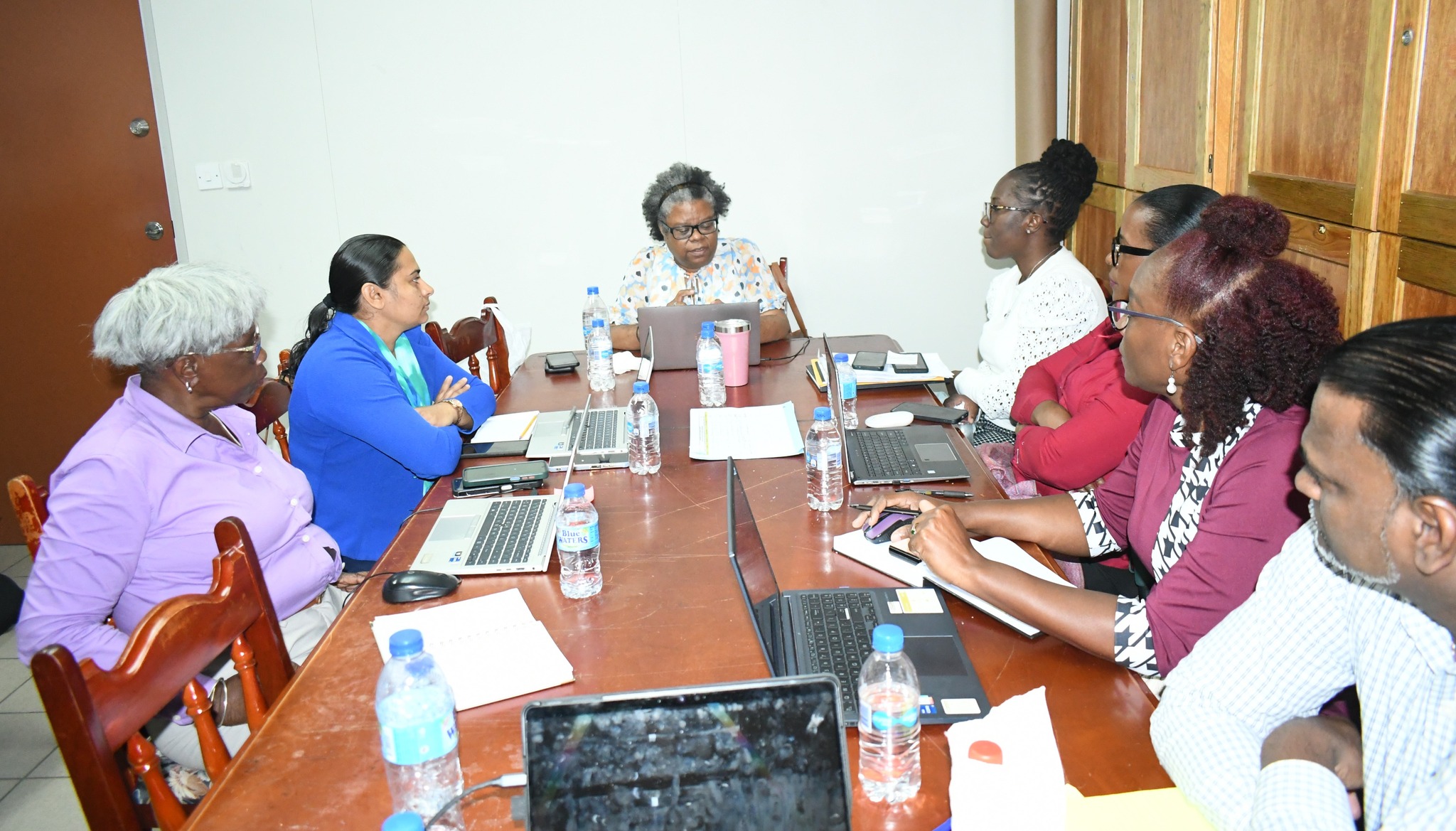
Stakeholders Engage in Consultations to Strengthen National Youth Policy
The Department of Youth Development and Sports, through its Youth Unit, has commenced a four-day series of half-day closed stakeholder consultations aimed at strengthening the development and imple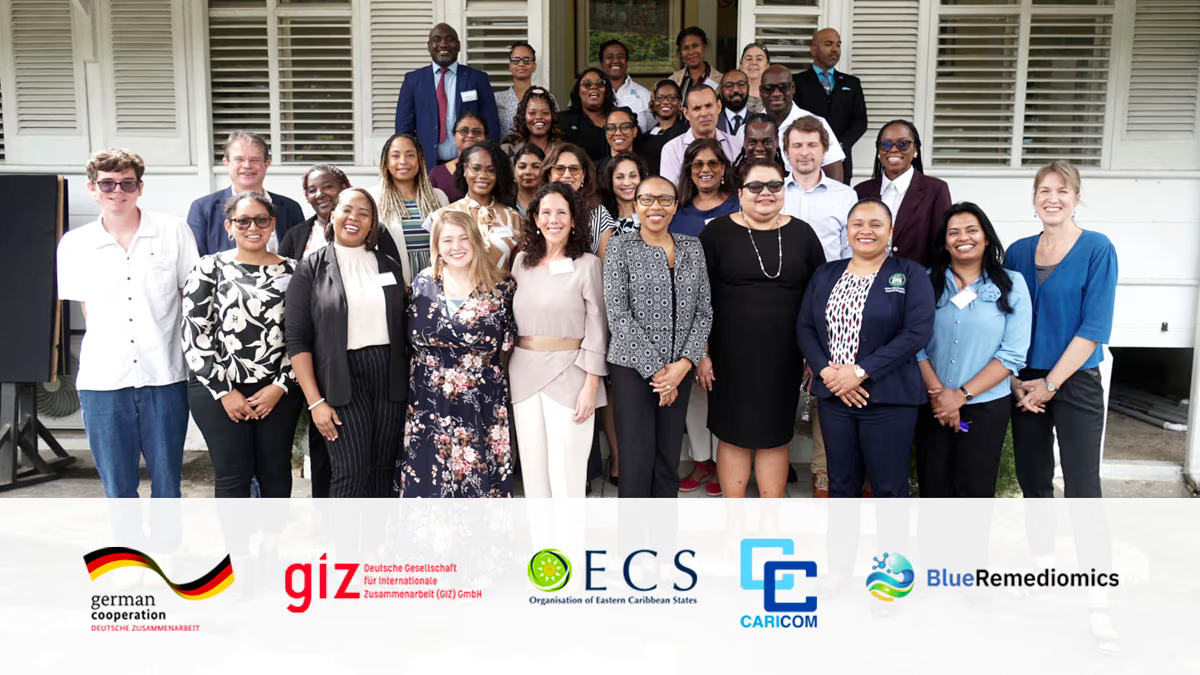
Regional Workshop Strengthens Caribbean Capacity on Genetic Resources
Regional policymakers, scientists, and biodiversity experts gathered from March 3-5, 2026, at The University of the West Indies (UWI), St.
Related Stories
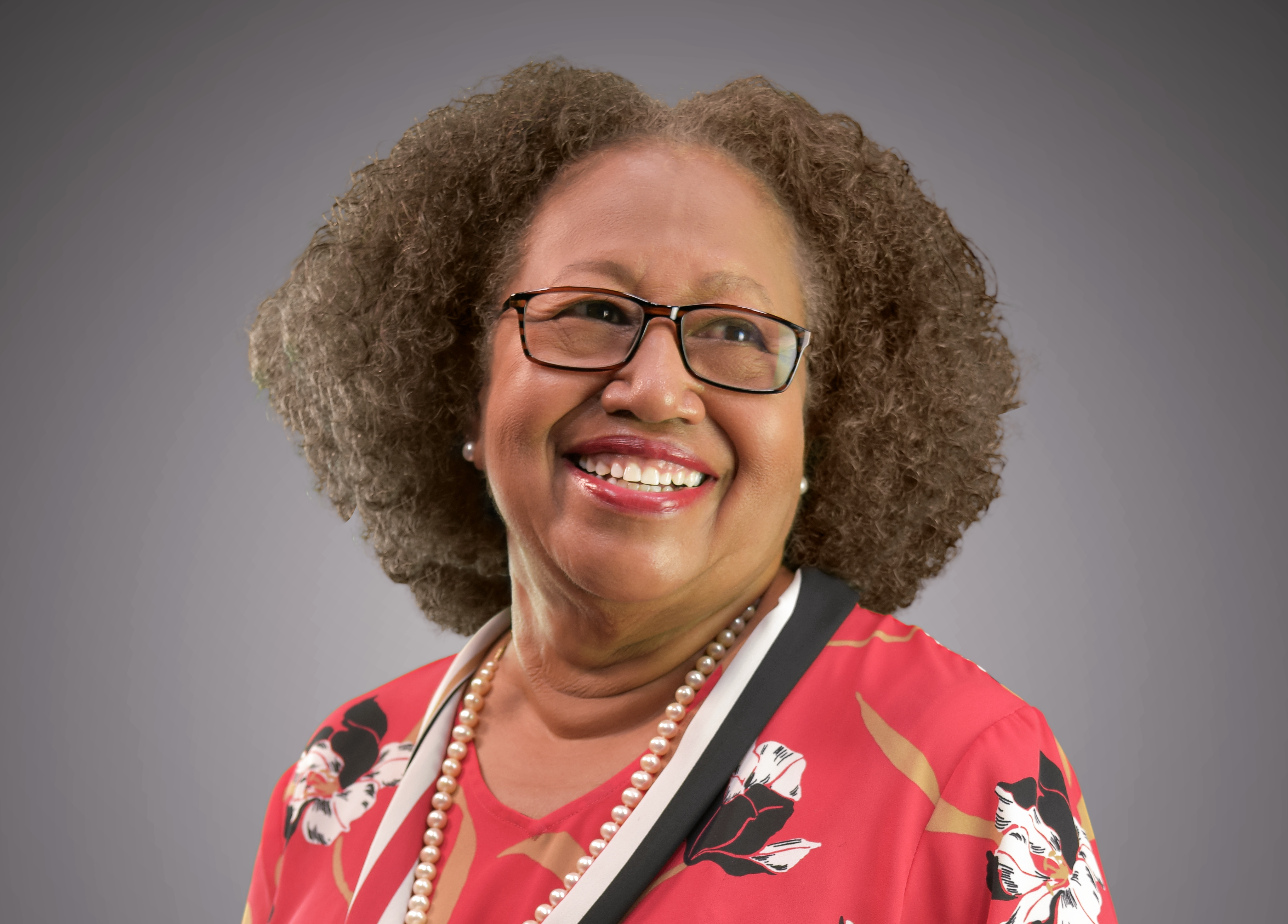
New CARICOM Secretary-General takes up office on Monday
An Installation Ceremony for the new Secretary-General of the Caribbean Community (CARICOM), Dr Carla Barnett, will be held on Monday 16 August 2021, from 10:00 a.m. ECT.
Design recovery programme to revive economies, enhance resilience – CARICOM Secretary-General
Caribbean Community (CARICOM) Secretary-General, Ambassador Irwin LaRocque said that the Region neede