Caribbean specialists acquire new expertise for adding value to cassava
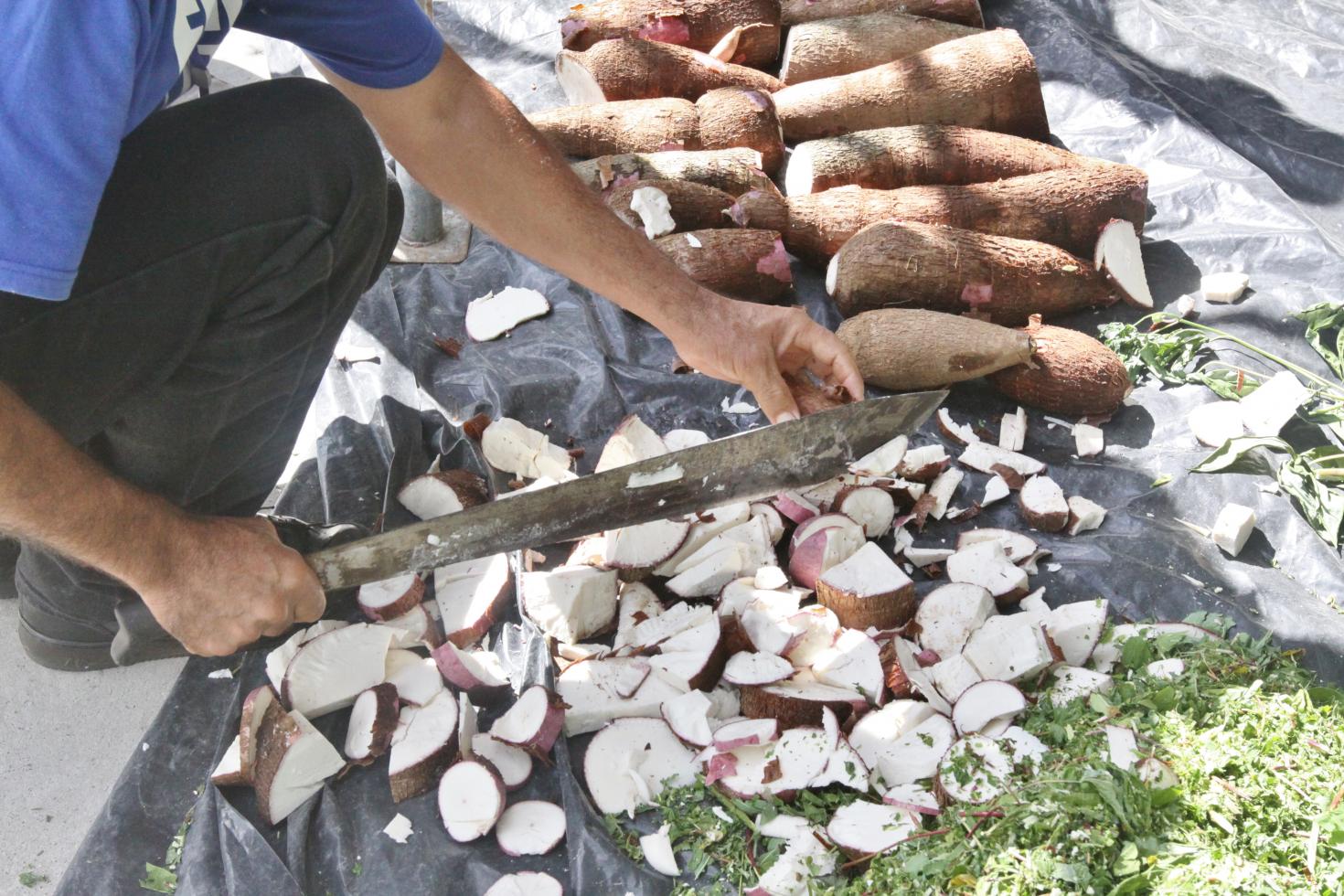
A meeting supported by IICA, the European Union, and Colombia’s Presidential Agency for International Cooperation enabled specialists engaged in promoting the crop to learn about new forms of marketing that could boost markets for the product.
na, Grenada, and Barbados, while the Latin American nations taking part were Costa Rica, El Salvador, Guatemala, Honduras, Nicaragua, and Panama. Officials from Colombia’s Presidential Agency for International Cooperation (APC) were also involved, as the entity coordinates the network of the Central American countries and Panama.
The event was organized by IICA, the European Union (EU) –through the Regional Program for Research and Innovation by Agricultural Value Chains (PRIICA)– and Colombia’s Presidential Agency for International Cooperation (APC-Colombia). Costa Rica’s National Institute for Innovation and Transfer in Agricultural Technology (INTA) and the CLAYUCA Corporation also provided support.
The participants expressed particular interest in the various ways suggested of strengthening their local cassava industries and adding value to the crop. These include cassava flour and flakes, the use of the vegetable as raw material, and the processing of cassava for animal and human consumption.
According to APC-Colombia’s Director of International Cooperation, Enrique Maruri, there has been strong demand for cooperation from his organization related to cassava, as the vegetable is a key element of the food security of the Caribbean nations.
With support from IICA and Costa Rica’s INTA, the participants visited Los Diamantes Experimental Station (EELD), a pilot cassava processing plant that generates and transfers technology to meet the needs of producers in Costa Rica’s Caribbean coastal region.
Working on 718 hectares of land, the EELD specializes in bamboo production, forest protection, the production of cattle and pig breeding stock, agricultural research on tropical fruit trees and roots, musaceae, heart of palm, and palms. It also has a nursery that produces tropical fruit tree seedlings, crop germplasm banks, and a laboratory for in vitro reproduction.
Speaking at the experimental station, Patricia Bigby, of Jamaica, explained that cassava was grown in her country but more scientific research was needed. “We didn’t realize you could do so many things with cassava. Now we know we can do so much more. When you have the knowledge and support of national and international entities, it puts you in a position to empower people in the countryside,” she said.
Katrina Bradshaw, of the Ministry of Agriculture of Barbados, remarked that the information she had compiled during the five-day workshop would make it possible to commence and strengthen the production of cassava for human consumption in her country.
Oudho Homenauth, of the Ministry of Agriculture of Guyana, agreed with Bradshaw, adding that the experience had been very educational, as they had been able to observe the practical side of value added, which would be very useful for strengthening marketing in his country.
“The first step in this process is to achieve integration with other regions, as we have made great progress in linking the Central American countries. In 2016, we want to consolidate those partnerships and generate new ones that will enable us to project the knowledge beyond the region,” Miguel Altamirano, the coordinator of PRIICA, commented.
The workshop was the second of three events scheduled for 2015 to strengthen alliances and share knowledge among countries. The last one will be held in Jamaica, where APC-Colombia will be donating a cassava processing plant to promote value added.
PRIICA is an IICA program implemented in coordination with the NARIs and financed by the EU. Its aim is to strengthen producers’ food and nutrition security by means of public-private sector partnerships, knowledge management, and research and innovation in cassava, potatoes, tomatoes, and avocadoes in Central America and Panama.
More information:
You may also be interested in:
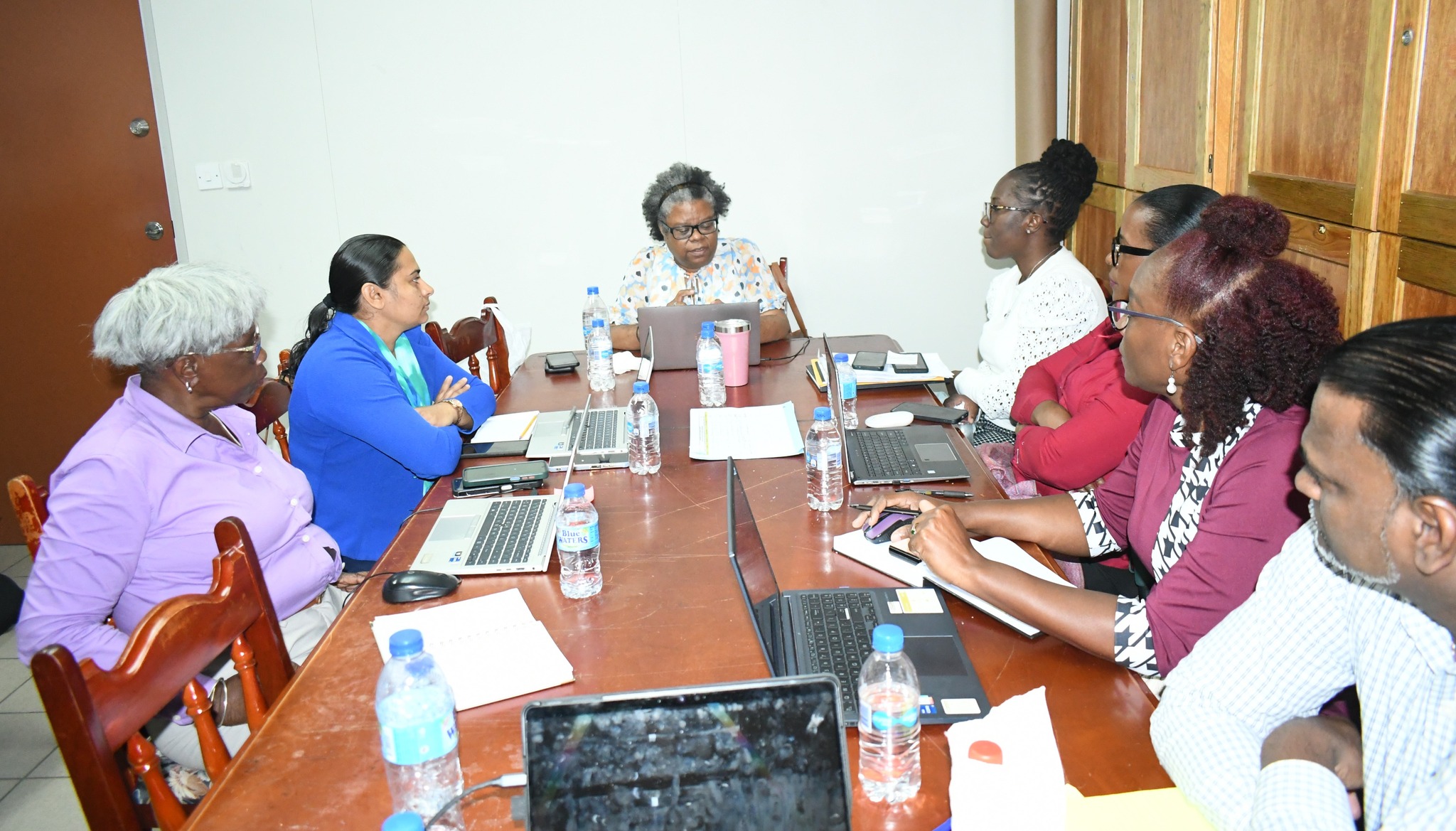
Stakeholders Engage in Consultations to Strengthen National Youth Policy
The Department of Youth Development and Sports, through its Youth Unit, has commenced a four-day series of half-day closed stakeholder consultations aimed at strengthening the development and...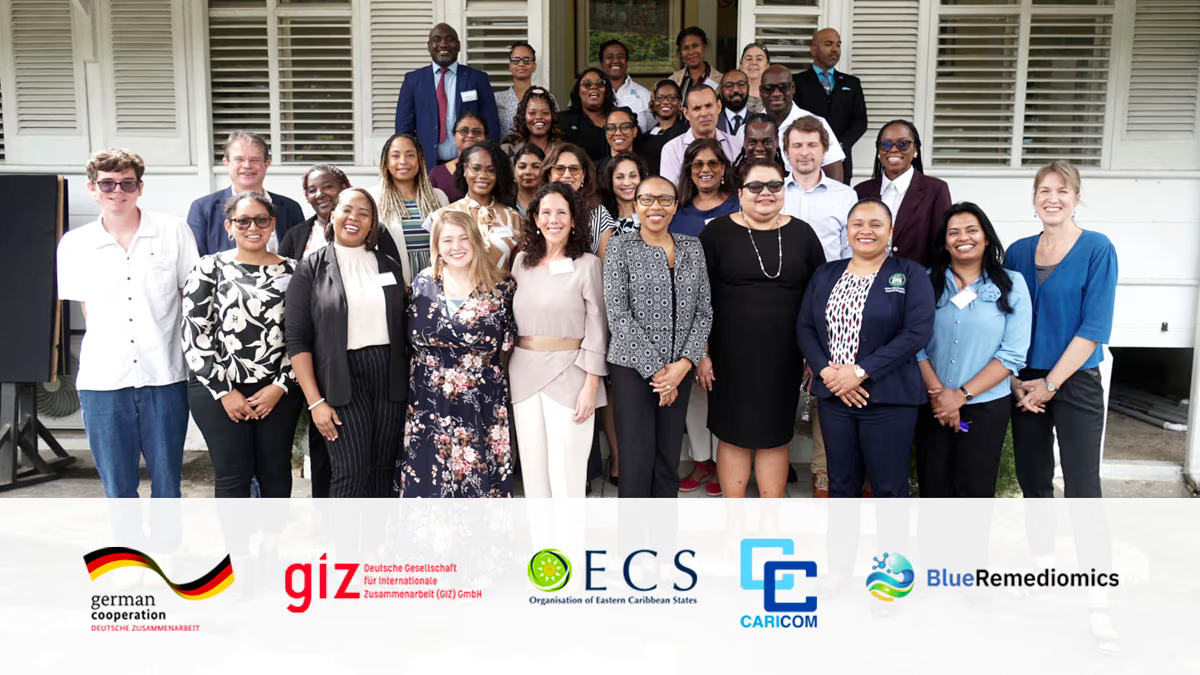
Regional Workshop Strengthens Caribbean Capacity on Genetic Resources
Regional policymakers, scientists, and biodiversity experts gathered from March 3-5, 2026, at The University of the West Indies (UWI), St.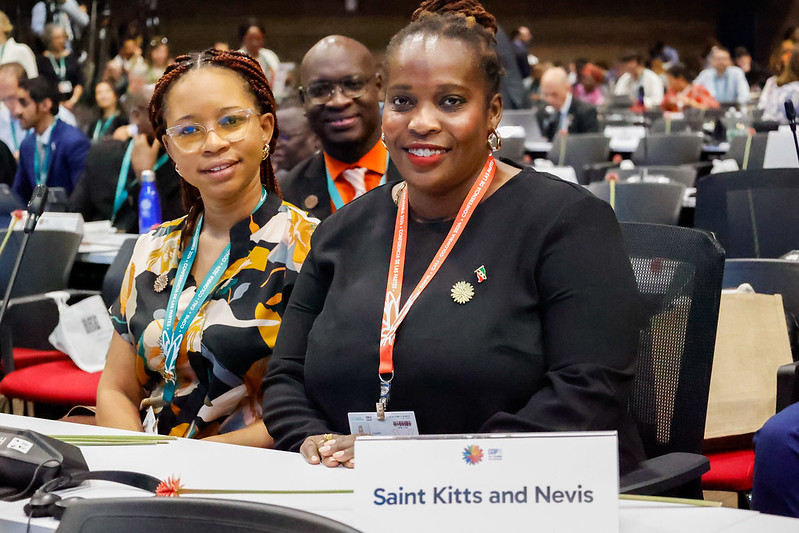
Statement by Hon. Dr. Joyelle Clarke, Minister of Sustainable Development, Environment, Climate Action and Constituency Empowerment of Saint Kitts and Nevis| High-Level Segment, 16th Meeting of the Conference of Parties of the UN Convention on Biological Diversity| Cali, Colombia| 30 October 2024
"The fight for biodiversity cannot be disentangled from the climate crisis. This is why our commitment to the Kunming-Montreal Biodiversity Framework is especially critical and why Saint KittsRelated Stories
Momentum accelerating towards fulfilling Region’s agriculture potential and food security
Raymond is passionate about farming. He is not one to simply plant a seed and expect it to grow, but he gets literally to the root of the science behind its growth.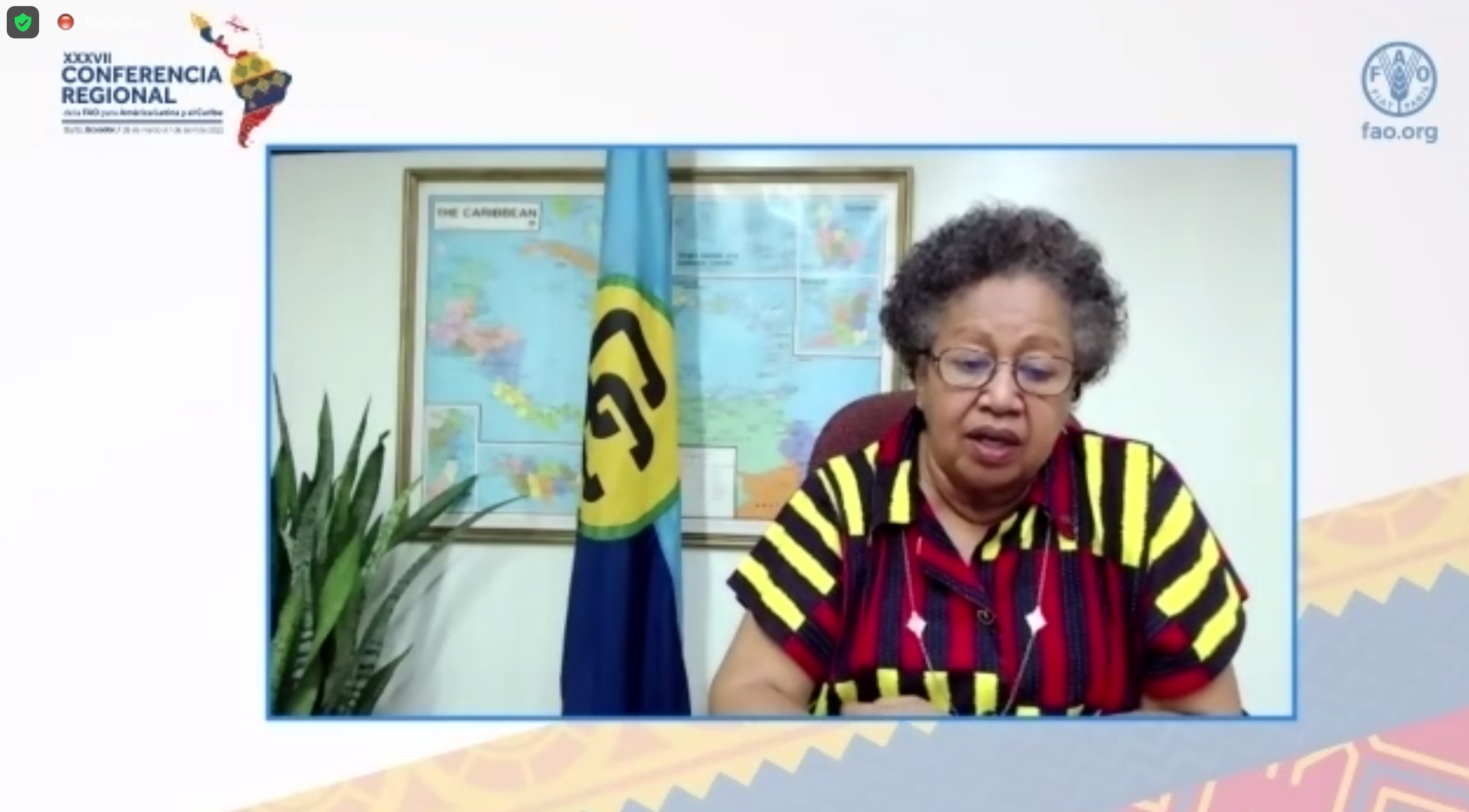
Remarks by CARICOM Secretary-General Dr Carla Barnett at the Meeting of Ministers of Agriculture of the Andean Community (CAN) and the Caribbean Community (CARICOM) being held during the Thirty-Seventh Session of the FAO Regional Conference for Latin America and the Caribbean
Distinguished Chair;Honourable Ministers;Delegates;Ladies and Gentlemen.