CARIBBEAN: HIV/AIDS elimination by 2030
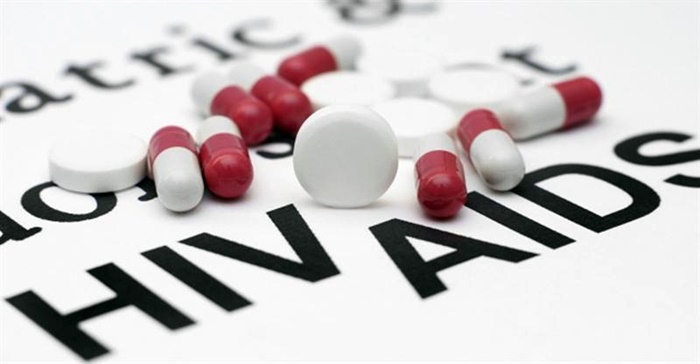
The Pan Caribbean Partnership against HIV and AIDS (PANCAP) initiated a Justice for All program in September 2013, that was designed to achieve broad based goals for ending AIDS in the region.
The goals included enhancing family life and focusing on those in need; increasing access to treatments and affordable medicines; reducing gender inequality and violence against women and girls; promoting sexual and reproductive health and rights and age appropriate education; and achieving legislative reforms for modifying and repealing AIDS-related discriminatory laws.
At the end of the first round of national engagements, a regional consultation held in Jamaica in April 2014 produced a PANCAP declaration, which CARICOM Heads of Government at a July 2014 conference deferred due to objections to some of its elements by a group of faith-based organizations.
Consequently, the19th Special Council for Human and Social Development (COHSOD) agreed that the declaration should be revised based on a new round of consultations that should identify the recommendations that can be implemented immediately and by the end of 2015; and also in the medium (2015-2018) and long (after 2018) terms.
The UN Special Envoy for HIV in the Caribbean has been requested to lead a series of engagements that would seek to adopt a phased implementation of the actionable recommendations of the PANCAP Declaration taking into consideration the new 90-90-90 targets. The aim is to get 90 percent of people with HIV tested; 90 percent of those tested on treatment and 90 percent of those on treatment with viral loads low enough to prevent transmission, by the year 2030.
The discussions will also have to take into consideration the targets established in the 2030 sustainable development goals approved by 192 nations at the UN in September 2015 with special reference to Goal 3: ensure healthy lives and promote well-being for all ages. This universal health goal with complementary components includes ending the epidemics of AIDS, TB, Malaria, other neglected tropical diseases and preventable deaths of newborns and children under 5 years of age by 2030; reducing maternal mortality and mortality from non-communicable diseases (NCDs).
In this regard the emphasis will have to be placed on universal health coverage, health systems strengthening, building capability and increasing financial sustainability. Achieving these objectives means placing emphasis on shared responsibility among government, private sector and civil society.
Under these circumstances, the Justice for All program, while retaining its original elements, will focus on: What will it take to end AIDS by 2030? What role can stakeholders – parliamentarians, faith leaders, civil society, private sector, youth and media – play to achieve the goal of ending the AIDS epidemic? What would a road map look like with immediate, medium and long term actions to end AIDS?
You may also be interested in:
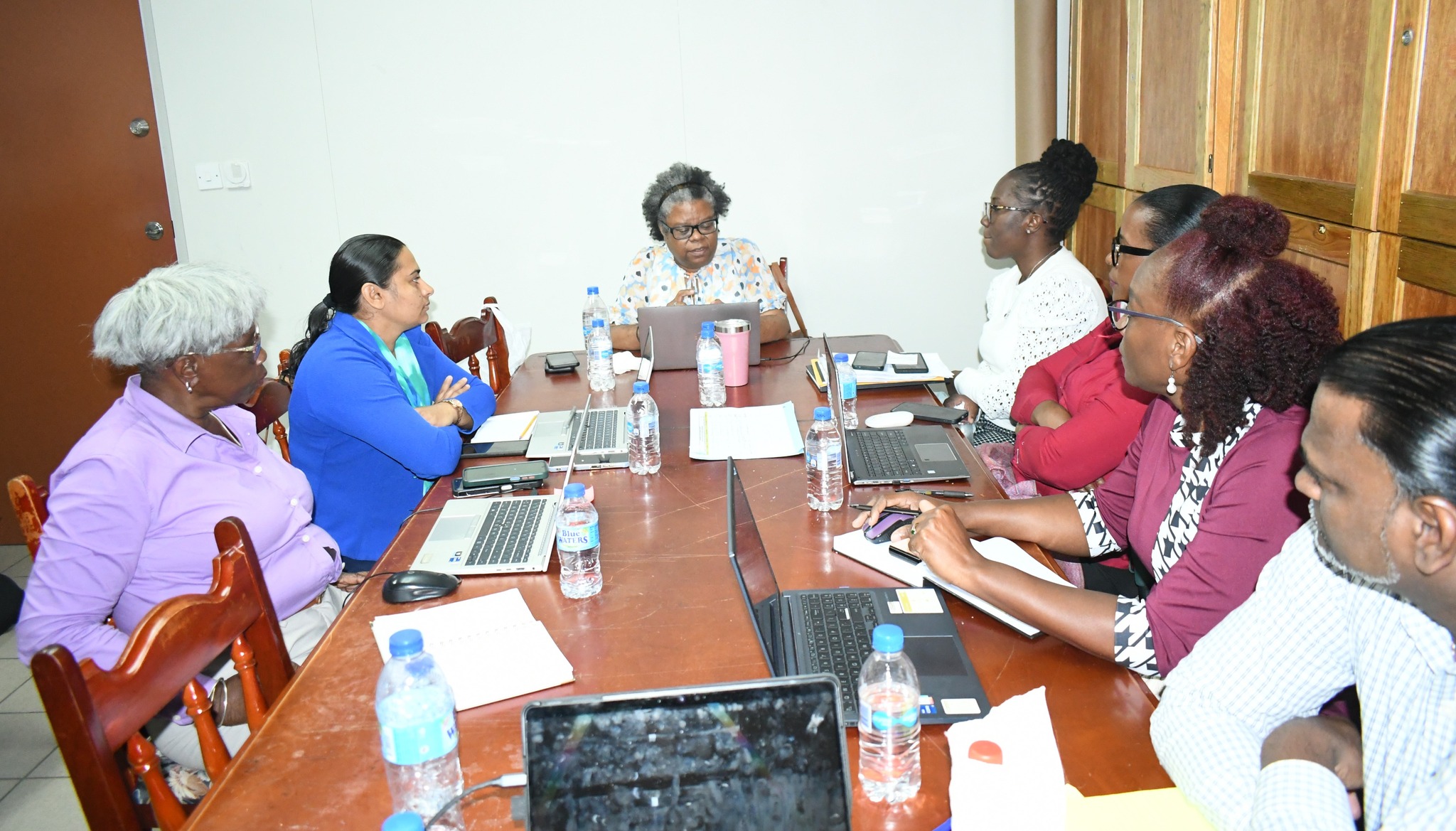
Stakeholders Engage in Consultations to Strengthen National Youth Policy
The Department of Youth Development and Sports, through its Youth Unit, has commenced a four-day series of half-day closed stakeholder consultations aimed at strengthening the development and...
Regional Workshop Strengthens Caribbean Capacity on Genetic Resources
Regional policymakers, scientists, and biodiversity experts gathered from March 3-5, 2026, at The University of the West Indies (UWI), St.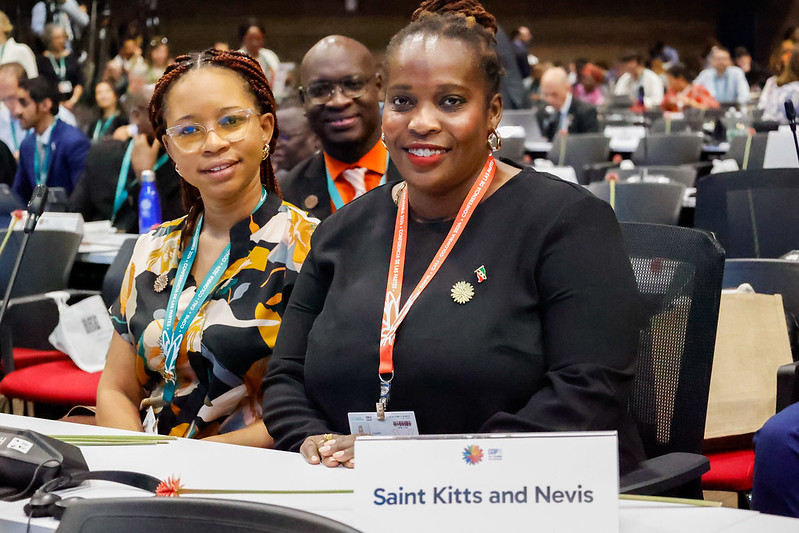
Statement by Hon. Dr. Joyelle Clarke, Minister of Sustainable Development, Environment, Climate Action and Constituency Empowerment of Saint Kitts and Nevis| High-Level Segment, 16th Meeting of the Conference of Parties of the UN Convention on Biological Diversity| Cali, Colombia| 30 October 2024
"The fight for biodiversity cannot be disentangled from the climate crisis. This is why our commitment to the Kunming-Montreal Biodiversity Framework is especially critical and why Saint KittsRelated Stories

Global Fund Stakeholders to discuss challenges affecting expansion of HIV, TB and Malaria responses at Regional Dialogue
Forum to maximise Learning, Coordination and Synergies among recipients of Global Fund Multi-Country Grants The Pan-Caribbean Partnership against HIV and AIDS (PANCAP), the mechanism that provides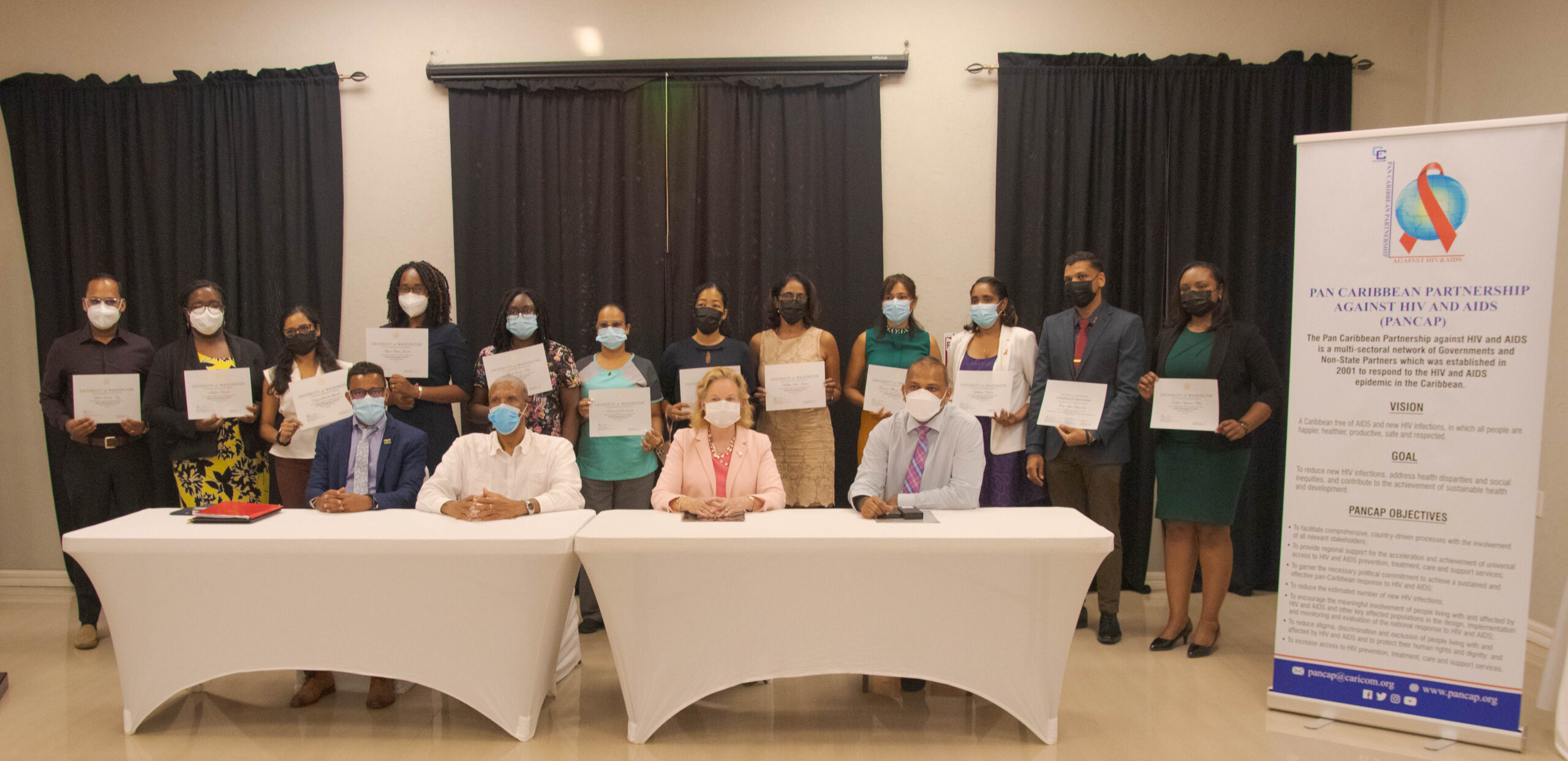
REGION’S PUBLIC HEALTH BOOSTED BY PANCAP CAPACITY-BUILDING INITIATIVE
EIGHTEEN (18) CLINICAL AND PUBLIC HEALTH PRACTITIONERS COMPLETE THREE-MONTH COURSE ON CLINICAL MANAGEMENT OF HIV Thursday, 7 October 2021 (PANCAP Coordinating Unit, CARICOM Secretariat): The...