Caribbean Dividends from Digital Switchover
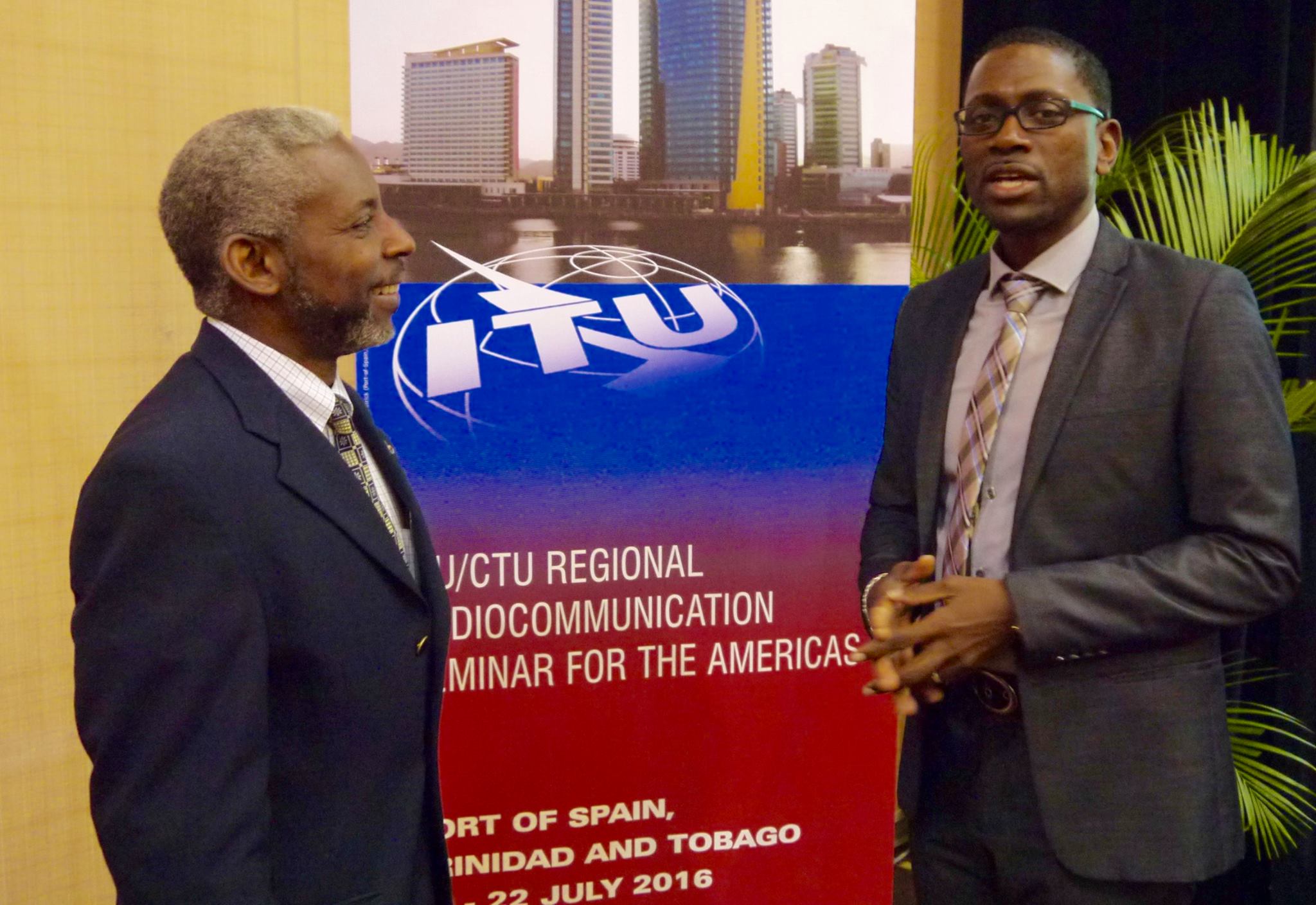
A shift from analog to digital television broadcast in the Caribbean could be a big boost for local content creators looking to produce and distribute original programs.
Free, analog, over-the-air television broadcasting has already been replaced by digital television transmission is several parts of the world. The process, commonly referred to as the digital switchover, is now underway in the Caribbean and the successful transition in other parts of the world provides several lessons that can be applied to the Caribbean. As a region, Europe was among the early adopters. From as early as December 2006, the Netherlands moved to digital-only television broadcasting. Today, in several countries worldwide, including USA, Japan, South Korea, Australia, Ghana and Kenya, broadcasters are now required to transmit exclusively in a digital format.
As with all technological advancement, digital switchover is not without potential complications. It could entail unwanted consequences like confusing or even marginalising those unfamiliar with the technology In Singapore, for example, groups of volunteers have taken to making weekly house visits to assist the elderly to transition to digital television.
But the transition from analog to digital is inevitable and produces many clear benefits. This is in part because digital television makes much more efficient use of scarce broadcast spectrum, the radio frequencies used for wireless communication.
By migrating television broadcasters to digital formats, governments can create opportunities to reallocate the radio spectrum frequencies formerly assigned to those transmissions. That released spectrum creates what is called a digital dividend that can be reallocated to critical telecommunications projects, such as nationwide emergency broadcast systems, national wireless broadband access projects and other such initiatives.
However, in the Caribbean, where the supply of spectrum still outstrips current demand, there is much work to be done. Making the business case for the digital switchover requires a blend of foresight and ingenuity.
“Television broadcast bands in the Caribbean are sparsely populated, as very few broadcasters exist to fully utilise the spectrum available within those frequencies for free, over-the-air programming. So the traditional digital dividend spectrum is not in use and is available in most Caribbean countries. A case of having digital assets instead of having to win a digital dividend. As a result, the region’s broadcasters may not have as strong a motivation to invest in the digital switchover,” said Nigel Cassimire, a telecommunications specialist and spectrum expert with the Caribbean Telecommunications Union (CTU).
The CTU advises regional governments on the intricacies of spectrum planning and policy development, including areas such as digital switchover and frequency reallocation.
Governments can generate revenue by auctioning parts of available or freed-up spectrum to telecommunications service companies, such as mobile service providers. Jamaica and Antigua & Barbuda are two Caribbean countries that have already assigned mobile services for frequencies previously designated primarily for television broadcasting.
“Regional governments and other stakeholders must weigh the costs and benefits of the digital switchover, balancing the risks of radical change against the promise of emerging opportunity,” Cassimire said.
He added that the CTU is working closely with its member states to develop a regulatory and commercial framework to safeguard the interests of all stakeholders.
Among the most tangible possibilities for the region is the opportunity to enhance the production of original video and audio programming for local consumption.
If the Caribbean is to maximise the opportunities of digital switchover, then governments, regulators and broadcasters will have to work in concert to deepen interest and investment in local content production.
“In a media landscape dominated by the cultural and economic powerhouses of the world, audiences from emerging markets like the Caribbean typically find themselves drowning in a flood of foreign content,” said Bevil Wooding, an Internet Strategist and Director of the CTU’s Caribbean ICT Roadshow, an initiative that boosts general ICT awareness and promotes local digital content creation.
“We can harness creative local resources to produce relevant local content, riding on local infrastructure, governed by local legislation, transacting in the local markets, to meet local needs,” Wooding said.
The interconnected set of actions he describes is key to realising the digital dividends other countries have already achieved, and the Caribbean longs for. With the right mix of political will, technical expertise and private sector investment, the Caribbean has the potential to convert its digital assets into a real cultural dividend.
You may also be interested in:
Stakeholders Engage in Consultations to Strengthen National Youth Policy
The Department of Youth Development and Sports, through its Youth Unit, has commenced a four-day series of half-day closed stakeholder consultations aimed at strengthening the development and...
Regional Workshop Strengthens Caribbean Capacity on Genetic Resources
Regional policymakers, scientists, and biodiversity experts gathered from March 3-5, 2026, at The University of the West Indies (UWI), St. Augustine Campus in Trinidad and Tobago, for a three-day...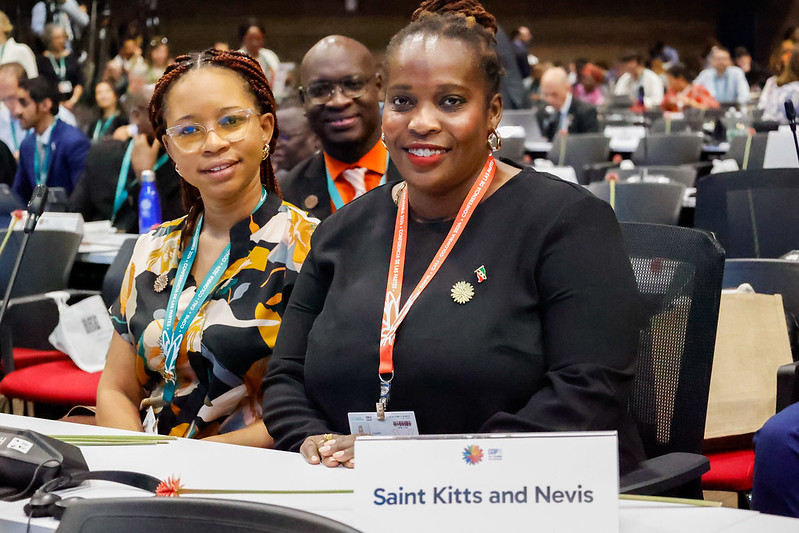
Statement by Hon. Dr. Joyelle Clarke, Minister of Sustainable Development, Environment, Climate Action and Constituency Empowerment of Saint Kitts and Nevis| High-Level Segment, 16th Meeting of the Conference of Parties of the UN Convention on Biological Diversity| Cali, Colombia| 30 October 2024
"The fight for biodiversity cannot be disentangled from the climate crisis. This is why our commitment to the Kunming-Montreal Biodiversity Framework is especially critical and why Saint Kitts and...Related Stories
ICT Ministers approve CARICOM Secretariat-led action plans to fast-track digital transformation
Ministers of ICT on Friday unanimously approved the CARICOM Secretariat-led action plans to accelerate the Region’s digital transformation.
Secretary-General Dr Carla Barnett's address to Wednesday's launch of the CARICOM Digital Skills Task Force
Honourable Ministers; Heads and Representatives of Regional Institutions and Organisations;