Caribbean answering the global call to end stigma and discrimination
KINGSTON, Jamaica (UNAIDS) -- The Caribbean response to HIV has known many successes in recent years. Since 2001 there has been a 54% decline in AIDS-related deaths while new HIV infections have dropped by 49%. Twenty times more people are accessing HIV treatment now than there were ten years ago. And several countries are on track to virtually eliminate new HIV infections among children by 2015.
However, stigma and discrimination are still hampering efforts to reduce new HIV infections, increase the numbers of people accessing antiretroviral treatment and ensure that all people living with HIV can live full and productive lives. Prejudice towards people living with HIV and other key populations such as men who have sex with men, transgender people, sex workers, people who use drugs, homeless people and prisoners, remains a major obstacle throughout the region.
“HIV is a by-product of social inequities,” said Carolyn Gomes, executive director of the Caribbean Vulnerable Communities Coalition at the Caribbean Consultation on Justice For All in Kingston, Jamaica. “We need a bottom-up approach. We have to find ways to be heard. We have to apply resources to what we know would bring about transformative change.”
You may also be interested in:
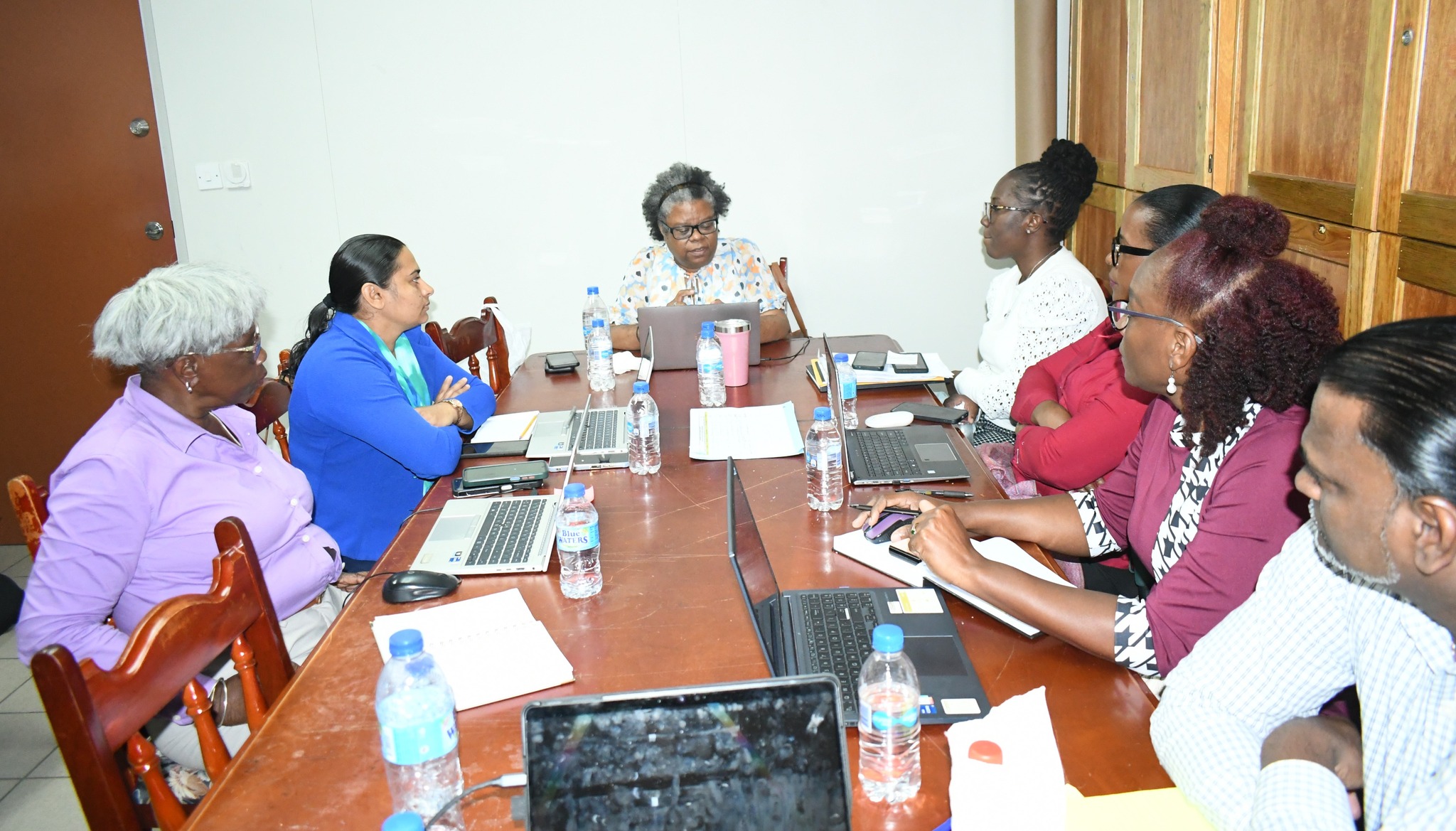
Stakeholders Engage in Consultations to Strengthen National Youth Policy
The Department of Youth Development and Sports, through its Youth Unit, has commenced a four-day series of half-day closed stakeholder consultations aimed at strengthening the development and imple