CARCIP partners with local college to expand internet access in St Lucia
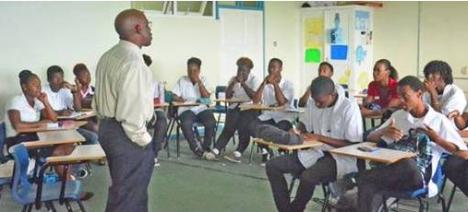
CASTRIES, St Lucia -- The Saint Lucia ministry of public service, information and broadcasting is partnering with the Sir Arthur Lewis Community College to conduct a series of surveys, as part of an in-depth analysis of the nation’s urban and rural broadband Internet connectivity gaps.
The exercise is being rolled out in communities across the island, including Micoud, Soufriere, Vieux Fort and Castries. The surveys will reap insight into why some communities have little or no access to telephone, Internet and cable television networks. This kind of insight is needed to ensure that all Saint Lucians have the opportunity to benefit from the state’s ongoing investments in the modernisation of its telecommunications technologies.
The initiative forms part of the ministry’s ongoing Caribbean Regional Communication Infrastructure Program (CARCIP), which aims to widen citizens’ access to regional broadband networks, in order to encourage local technology-enabled service industries.
CARCIP Saint Lucia is part of a wider regional program funded by the International Development Association of the World Bank and coordinated by the Caribbean Telecommunications Union. At the regional level, CARCIP seeks to help governments and private sector to harmonise the development of critical telecommunications infrastructure across three participating Eastern Caribbean countries -- Saint Lucia, Grenada, and St Vincent and the Grenadines.
The three countries recently signed a joint contract with US-based consultancy Decision Analysis to upgrade their broadband internet networks. The broadband assessment surveys are part of the first phase of that consultancy.
On March 25, the process started in earnest when the CARCIP Saint Lucia team and the Decision Analysis consultants met with students and faculty members of the Sir Arthur Lewis Community College to orient them on how to set up and conduct focus groups to gather qualitative, quantitative, and demographic data on connectivity gaps across the country.
The surveys will help the consultants to measure network capacity requirements in markets where there is no history of demand, and to determine market needs and preferences where there is no available market history. The process will continue into April 2015.
You may also be interested in:
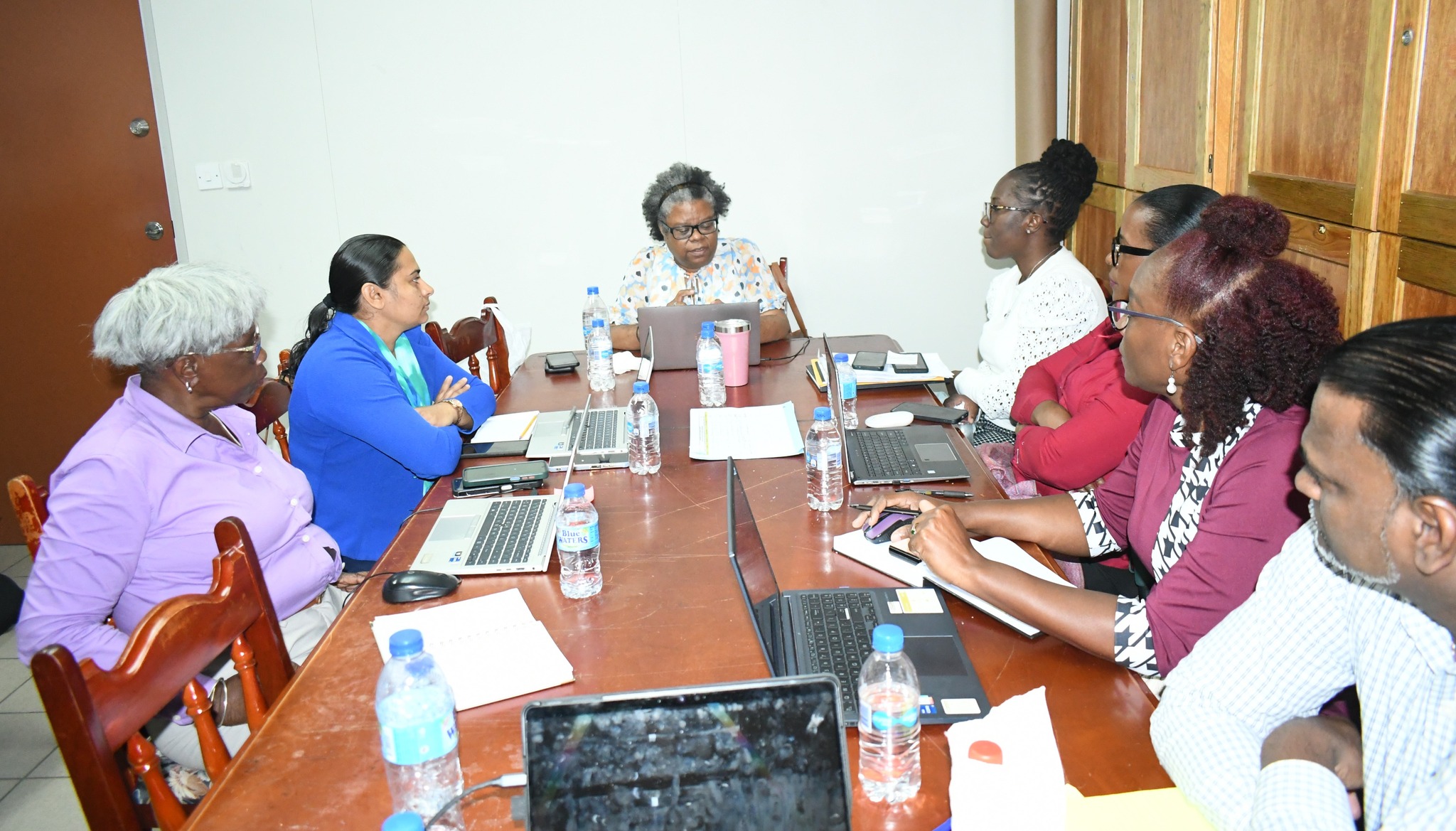
Stakeholders Engage in Consultations to Strengthen National Youth Policy
The Department of Youth Development and Sports, through its Youth Unit, has commenced a four-day series of half-day closed stakeholder consultations aimed at strengthening the development and...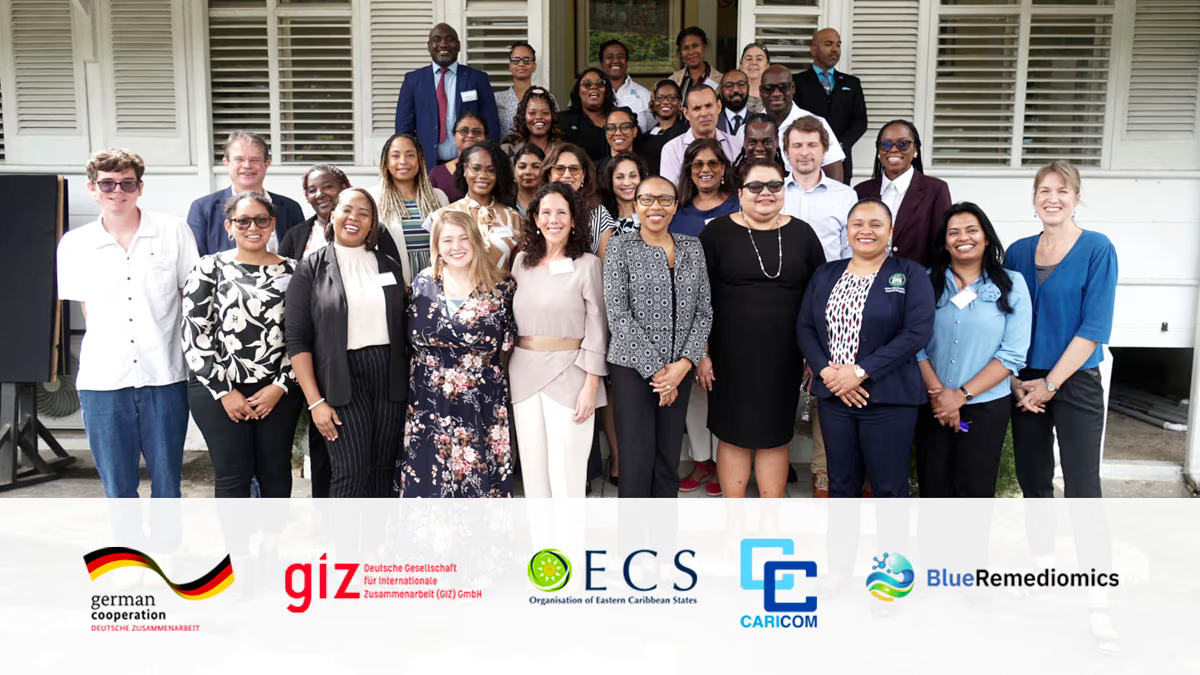
Regional Workshop Strengthens Caribbean Capacity on Genetic Resources
Regional policymakers, scientists, and biodiversity experts gathered from March 3-5, 2026, at The University of the West Indies (UWI), St.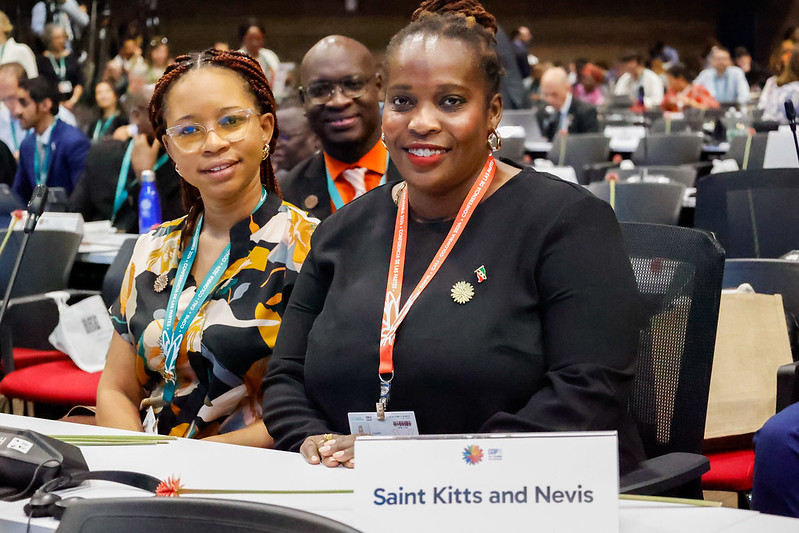
Statement by Hon. Dr. Joyelle Clarke, Minister of Sustainable Development, Environment, Climate Action and Constituency Empowerment of Saint Kitts and Nevis| High-Level Segment, 16th Meeting of the Conference of Parties of the UN Convention on Biological Diversity| Cali, Colombia| 30 October 2024
"The fight for biodiversity cannot be disentangled from the climate crisis. This is why our commitment to the Kunming-Montreal Biodiversity Framework is especially critical and why Saint KittsRelated Stories
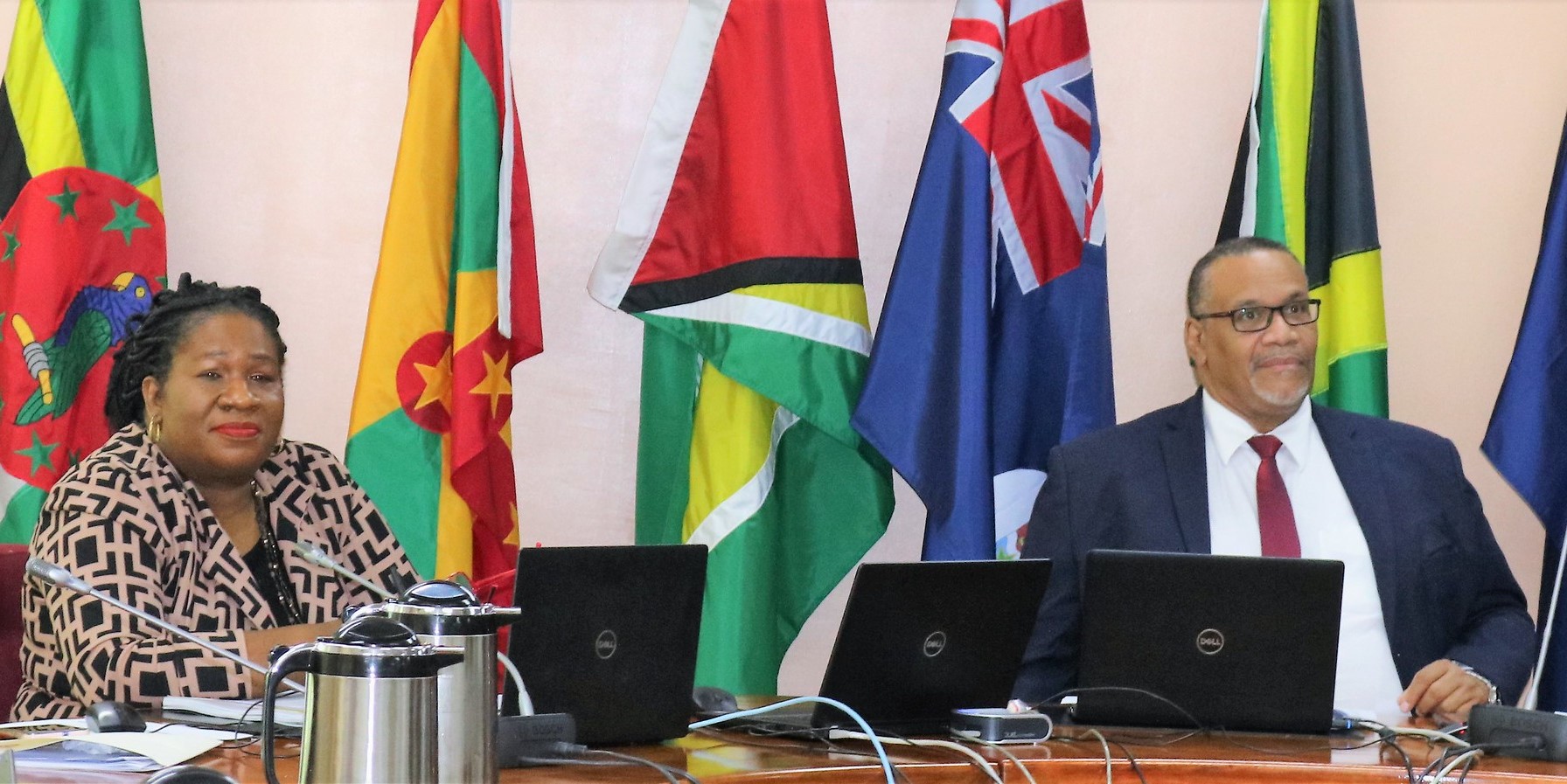
ICT Ministers approve CARICOM Secretariat-led action plans to fast-track digital transformation
Ministers of ICT on Friday unanimously approved the CARICOM Secretariat-led action plans to accelerate the Region’s digital transformation.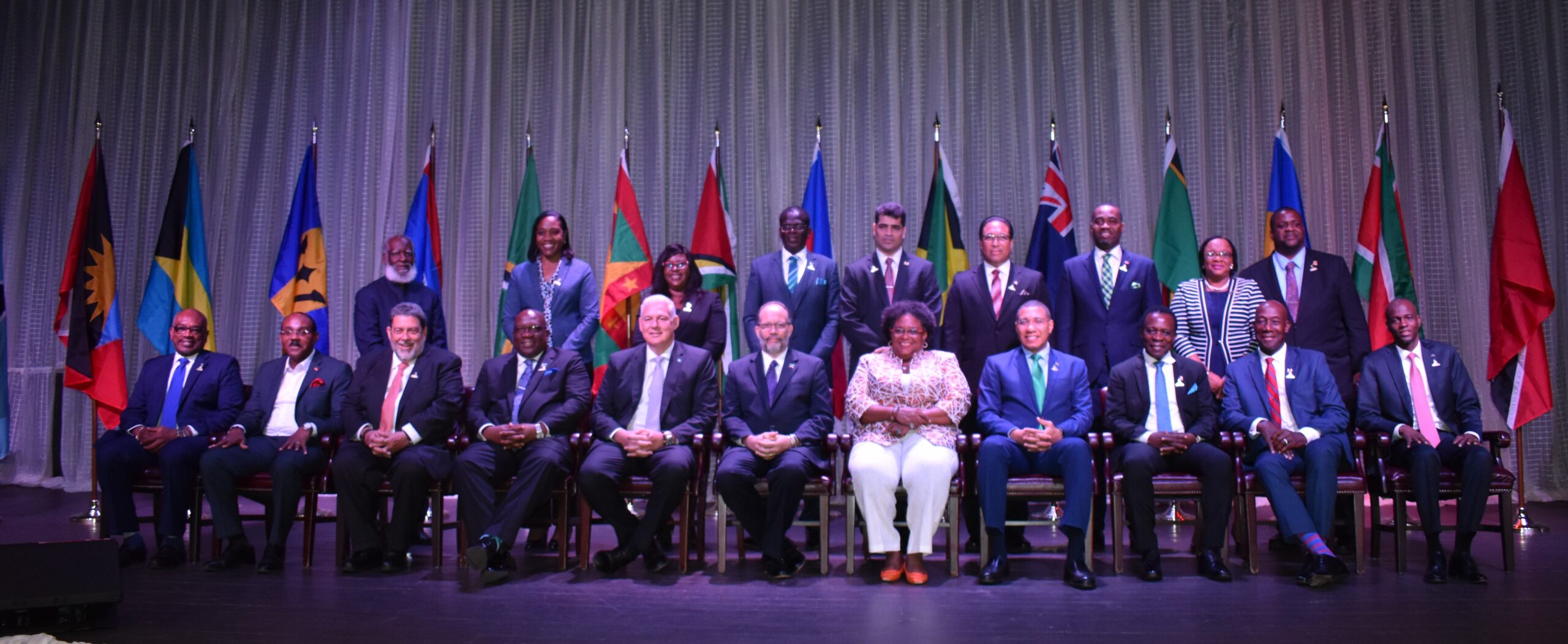
THE CASTRIES CALL FOR COLLECTIVE COMMITMENT AND ACTION ON SUSTAINABLE DEVELOPMENT
We, the Heads of State and Government of the Caribbean Community having met in Castries, Saint Lucia, July 3-5, 2019 on the occasion of the 40th Regular Meeting of the Conference of Heads of...