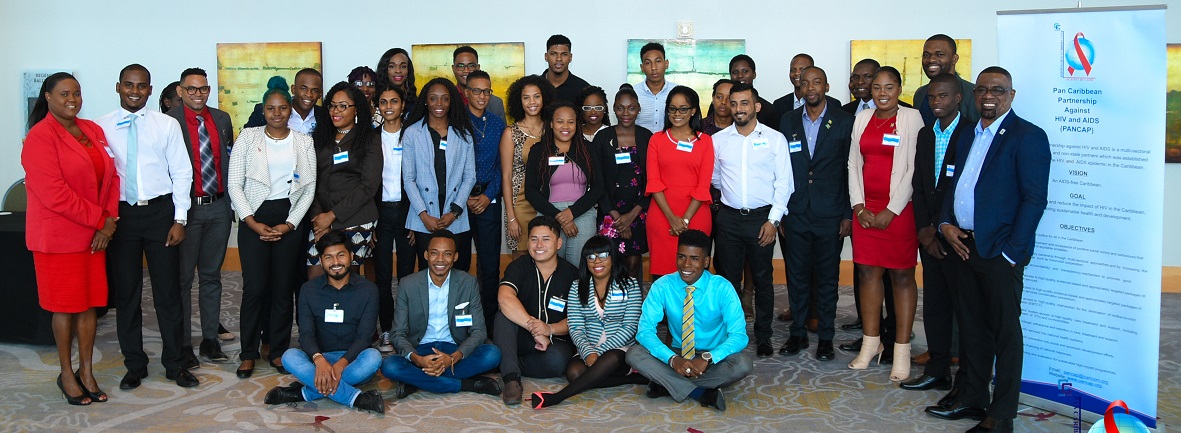
Atomic energy agency to help Caribbean in early detection of Zika virus
VIENNA, Austria, Friday February 12, 2016 – The International Atomic Energy Agency (IAEA) says it will provide nuclear-derived early detection tools and training support to help Latin American and Caribbean countries rapidly identify cases of the Zika virus.
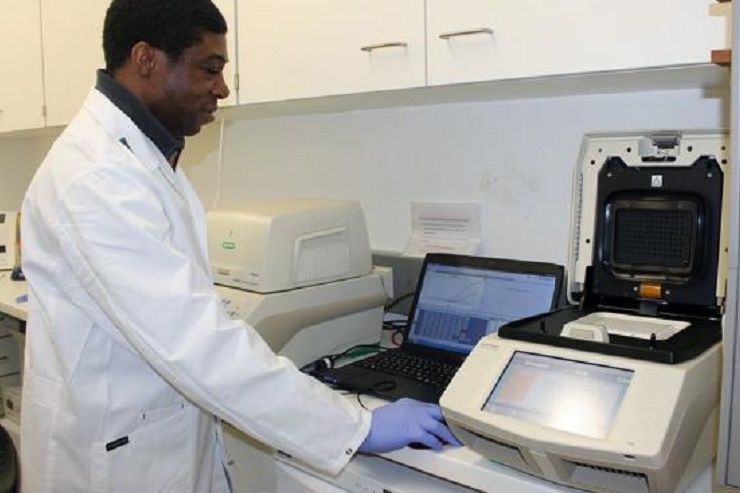
IAEA Director General Yukiya Amano says a €400,000 (US$450,151) initiative will see the transfer of specialized equipment and technical expertise, based on Reverse Transcription Polymerase Chain Reaction (RT-PCR) – a nuclear-derived technique provided by the agency during the Ebola outbreak in West Africa in 2014.
Zika virus infection has been reported in 26 countries and territories in the Americas, including Caribbean nations Barbados, Curaçao, Dominican Republic, Guadeloupe, Haiti, Jamaica, Martinique, Puerto Rico, Saint Martin, and US Virgin Islands.
“The agency tries to respond quickly to emerging crises of this nature,” Amano said. “Assisting countries with nuclear-related technologies to strengthen their health care capacities is a key part of our development work around the world. We are well prepared to deliver such assistance. In this case, it will enable countries in Latin America and the Caribbean to establish or strengthen early warning systems for the Zika virus.”
Amano received requests for assistance to address the Zika outbreak and its public health consequences from several countries, while visiting Central America recently.
The emergency assistance that will be provided includes the use of RT-PCR machines, consumables and technical advice, as well as training on how to use the technology to detect the virus and differentiate it from others such as dengue and chikungunya.
RT-PCR machines which can detect a virus within three hours. Early detection enables countries to take immediate action against any outbreak.
In addition to the delivery of virus detection equipment to some countries in the region, the IAEA will make RT-PCR training available for all 28 Latin American and Caribbean member states at its Food and Agriculture Organization of the United Nations (FAO)/IAEA Agriculture and Biotechnology Laboratories in Seibersdorf outside Vienna. The training will start in late March.
The IAEA has also developed a new Regional Technical Cooperation project in response to requests for the transfer of the Sterile Insect Technique (SIT) to complement other efforts aimed at suppressing the Aedes aegypti mosquito population, which transmits viruses such as Zika.
The SIT is a form of pest control that uses ionizing radiation to sterilize male insects that are mass-produced in special rearing facilities. It has been successfully used throughout the world for over 50 years for various agricultural insect pests and the project will be submitted for approval to the IAEA’s Board of Governors meeting to be held March 7-11 in Vienna.
The IAEA will also organize an international expert meeting in Brazil, on February 22-23, about the role of the SIT in combatting Zika. The outcome will be discussed in a wider coordination meeting in the same city on February 24-26 with officials from Latin American and Caribbean countries.
You may also be interested in:
Stakeholders Engage in Consultations to Strengthen National Youth Policy
The Department of Youth Development and Sports, through its Youth Unit, has commenced a four-day series of half-day closed stakeholder consultations aimed at strengthening the development and...
Regional Workshop Strengthens Caribbean Capacity on Genetic Resources
Regional policymakers, scientists, and biodiversity experts gathered from March 3-5, 2026, at The University of the West Indies (UWI), St.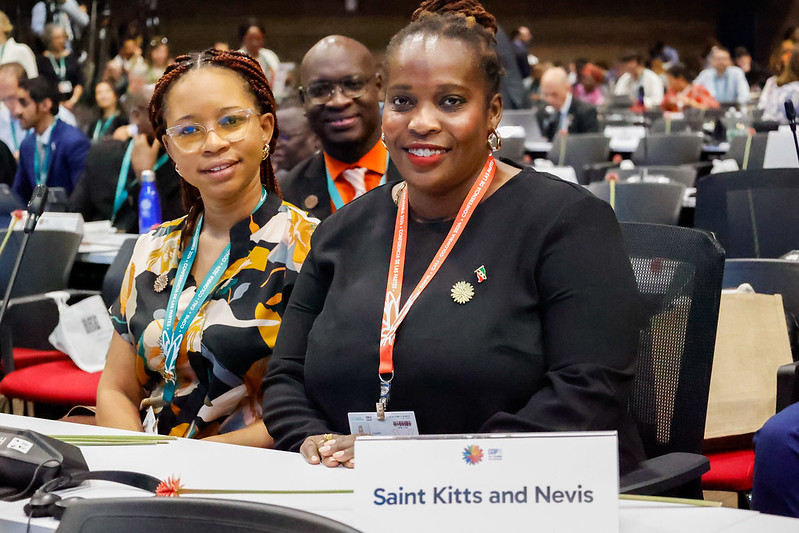
Statement by Hon. Dr. Joyelle Clarke, Minister of Sustainable Development, Environment, Climate Action and Constituency Empowerment of Saint Kitts and Nevis| High-Level Segment, 16th Meeting of the Conference of Parties of the UN Convention on Biological Diversity| Cali, Colombia| 30 October 2024
"The fight for biodiversity cannot be disentangled from the climate crisis. This is why our commitment to the Kunming-Montreal Biodiversity Framework is especially critical and why Saint KittsRelated Stories

EU/PAHO/CARIFORUM Climate & Health Project Builds Capacity with Health Co-Benefits Training
Bridgetown, Barbados, 7 June 2021 (PAHO/WHO) - During a recently held European Union (EU), Pan American Health Organization (PAHO), [1]CARIFORUM Health Co-Benefits webinar, representatives from 16.
FEATURE ADDRESS BY THE HON. DR. DENZIL DOUGLAS, PRIME MINISTER, ST. KITTS AND NEVIS AND CARICOM LEAD HEAD FOR HUMAN RESOURCE DEVELOPMENT, HEALTH AND HIV AND AIDS, AT THE SECOND ANNUAL PARTNERS’ MEETING OF THE CARIBBEAN PUBLIC HEALTH AGENCY (CARPHA), 13 JUNE 2011, WASHINGTON, DC, USA
Today we gather in this auditorium of one of the most enduring and respected organizations in the Hemisphere of the Americas, to discuss and take forward the agenda for establishing the...