Assistance priorities in Haiti
GEORGETOWN, Guyana – When high-level teams from the Caribbean Community and the United Nations Security Council visited Haiti in February last year to assess the post 2010 earthquake reconstruction efforts, one of the unanticipated issues that had to be taken account of was an outbreak of cholera which has resulted up to now in a total of about 8000 persons dead and over 600,000 suffering from the illness. The result has been a problem of dual priorities of almost equal importance to be faced by the UN itself, by Haiti, and by the wider Caribbean Community.
Following the outbreak, it came to light, through reputable scientific research that its origins lay in contamination from Nepalese troops of the United Nations Force resident in the country as part of the institution’s peacekeeping force. The scientists’ investigations, published in August of 2011, reported that “Cholera is one of the ancient classical diseases and particularly prone to cause major outbreaks following major natural disasters such as earthquakes and hurricanes where normal separation between sewerage and drinking water is destroyed. This was the case following the 2010 earthquake in Haiti”.
You may also be interested in:
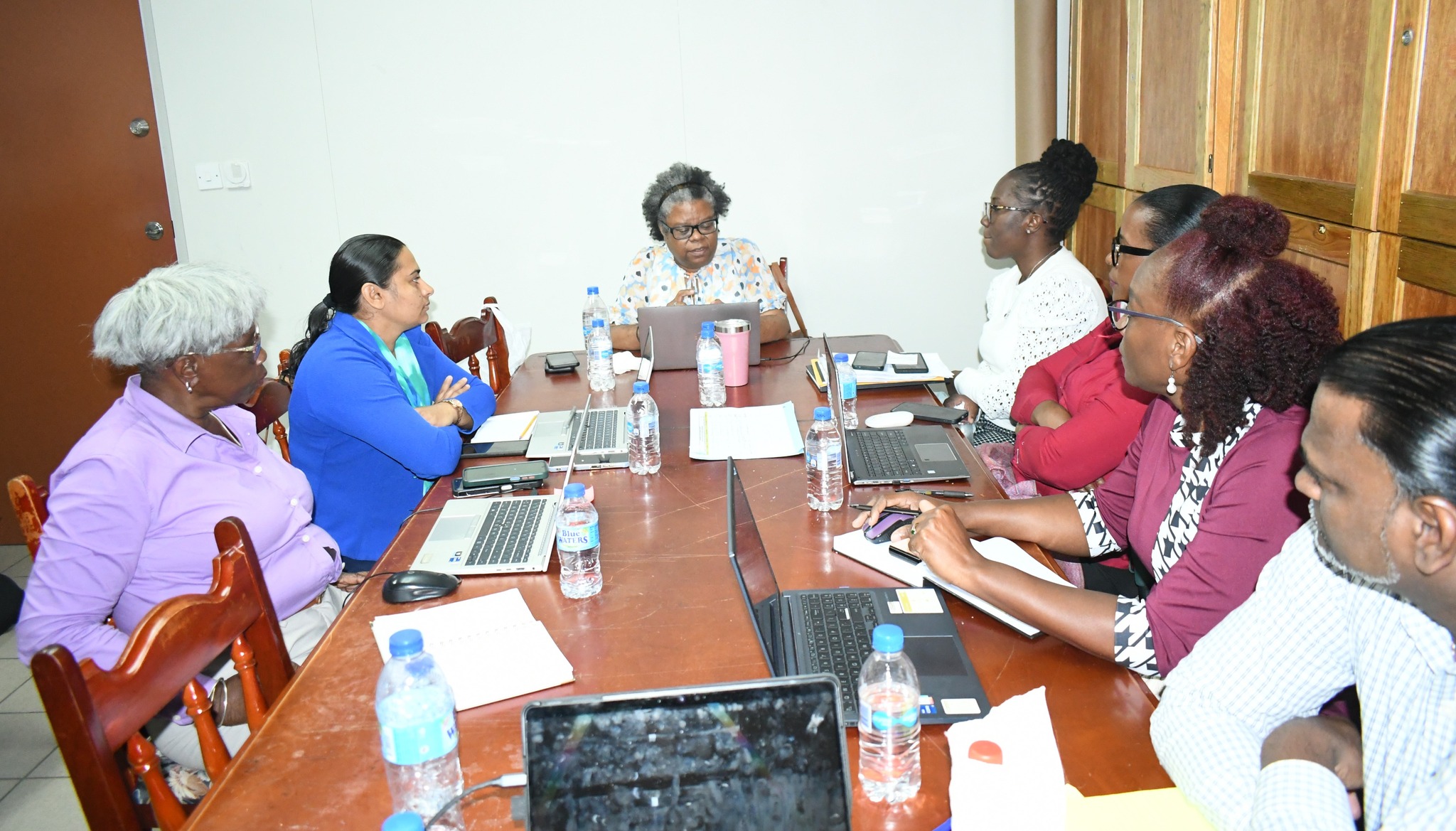
Stakeholders Engage in Consultations to Strengthen National Youth Policy
The Department of Youth Development and Sports, through its Youth Unit, has commenced a four-day series of half-day closed stakeholder consultations aimed at strengthening the development and imple