Antigua Hosts National Quality Infrastructure Dialogue on Agriculture
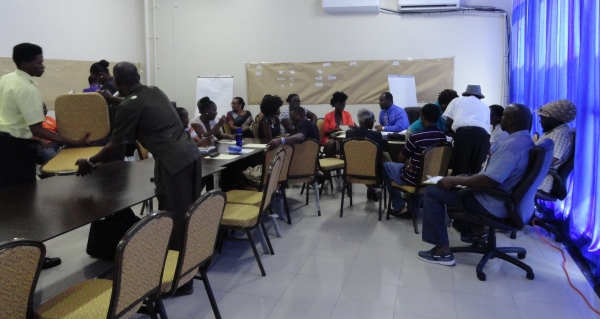
The second national dialogue on quality infrastructure (QI) came off in Antigua last month, providing the Antigua and Barbuda Bureau of Standards (ABBS) and local officials with a clear picture of the state of the agriculture sector as relates quality and standards.
Held at the Sir Vivian Richards Cricket Stadium on November 13, 2014, Director of the ABBS, Mrs. Dianne Lalla-Rodrigues, welcomed participants to the forum, while Officer-in-Charge of the CARICOM Regional Organisation for Standards and Quality, Russell Frankly, gave a brief overview of the organisation’s role as facilitators, and its relationship with the German Metrology Institute (PTB), which is the sponsor of the RQI 4 and 10th EDF Technical Barriers to Trade projects.
Mr. Franklyn outlined the importance of the quality infrastructure dialogue, as well as the role of agriculture in the region’s survival. He highlighted that in Antigua trade in agricultural goods was 2% - the lowest in the region, and that 62% of that country’s GDP was made up by services. Notwithstanding, there is potential for agriculture and agro-processed goods, he stated, adding that the quality of goods was preventing the region from getting into certain markets.
The acting head of CROSQ also indicated that Quality Infrastructure consultations would be held throughout the region with the intention of creating an action plan to address the region’s QI issues. The first consultation was held in Bahamas in October.
The Director of Agriculture, Mr. Jedidiah Maxime stressed that quality and standards are used to meet buyer requirements in countries where economies rely on exports. Antigua and Barbuda is a net importer and traditionally has not place much importance on standards. However, the changing global dynamics has resulted in the country becoming an exporter in tourism-related areas, he pointed out.
Mr. Maxime added that quality and standards must not only be an issue of exports but national pride. He noted that a food production policy has been adopted by the Antigua and Barbuda government and an action plan is being developed to implement the policy.
Additionally, the Director indicated that the Ministry of Agriculture is collaborating with the Inter-American Institute for Cooperation on Agriculture (IICA) and the Food and Agriculture Organisation (FAO) to look into setting up a national commission for sanitary and phyto-sanitary (SPS) areas. One objective of this is to champion issues relating to SPS which have to be adhered to. Issues, particularly those at the level of production, including record keeping, food safety issues and the adaptation of farmers to Good Agricultural Practices (GAP), were identified as critical.
Senator Collin James, Parliamentary Secretary for Trade, Commerce and Industry and Sports, highlighted reasons for requirements in trade such as food safety, environment and health. He stated that there was a need for technical assistance to small countries in relation to technical barriers to trade and SPS in conformity, which was necessary to access markets.
QI allows a country to meet requirement of markets to build clients and consumer confidence, hence collaboration with PTB to strengthen QI institution, as well as the QI dialogue workshops which will increase awareness of the private sector in quality. A deliverable is the action plan to allow the bureau to be more responsive to the needs of its client.
The technical working session began with ‘Putting QI Dialogue Forum into Context’, where Ms. Julie-Ann Laudat gave the contextual framework within which the exercises will be completed. Antigua and Barbuda Food and Nutrition Security Policy focuses on increasing production and potential which will result in the potential to export increasing. As the potential to export increases, Antigua and Barbuda has to meet international Standards and Quality.
Ms Laudat also mentioned challenges which affect production – such as lack of trained staff, lack of lab facilities and the need for technical regulations and standards. Other breaks out sessions included the ‘Prioritization of the QI Services Needed to Meet the Needs of the Agricultural Sector
You may also be interested in:
Stakeholders Engage in Consultations to Strengthen National Youth Policy
The Department of Youth Development and Sports, through its Youth Unit, has commenced a four-day series of half-day closed stakeholder consultations aimed at strengthening the development and...
Regional Workshop Strengthens Caribbean Capacity on Genetic Resources
Regional policymakers, scientists, and biodiversity experts gathered from March 3-5, 2026, at The University of the West Indies (UWI), St.
Statement by Hon. Dr. Joyelle Clarke, Minister of Sustainable Development, Environment, Climate Action and Constituency Empowerment of Saint Kitts and Nevis| High-Level Segment, 16th Meeting of the Conference of Parties of the UN Convention on Biological Diversity| Cali, Colombia| 30 October 2024
"The fight for biodiversity cannot be disentangled from the climate crisis. This is why our commitment to the Kunming-Montreal Biodiversity Framework is especially critical and why Saint KittsRelated Stories
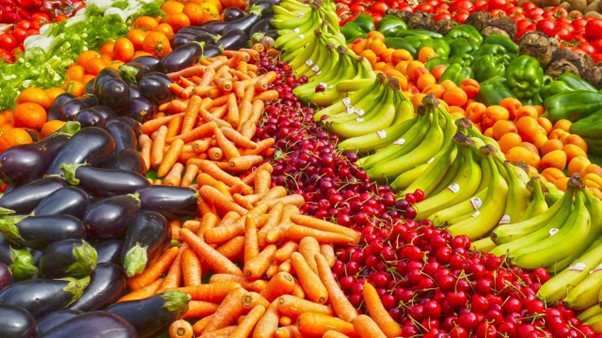
Momentum accelerating towards fulfilling Region’s agriculture potential and food security
Raymond is passionate about farming. He is not one to simply plant a seed and expect it to grow, but he gets literally to the root of the science behind its growth.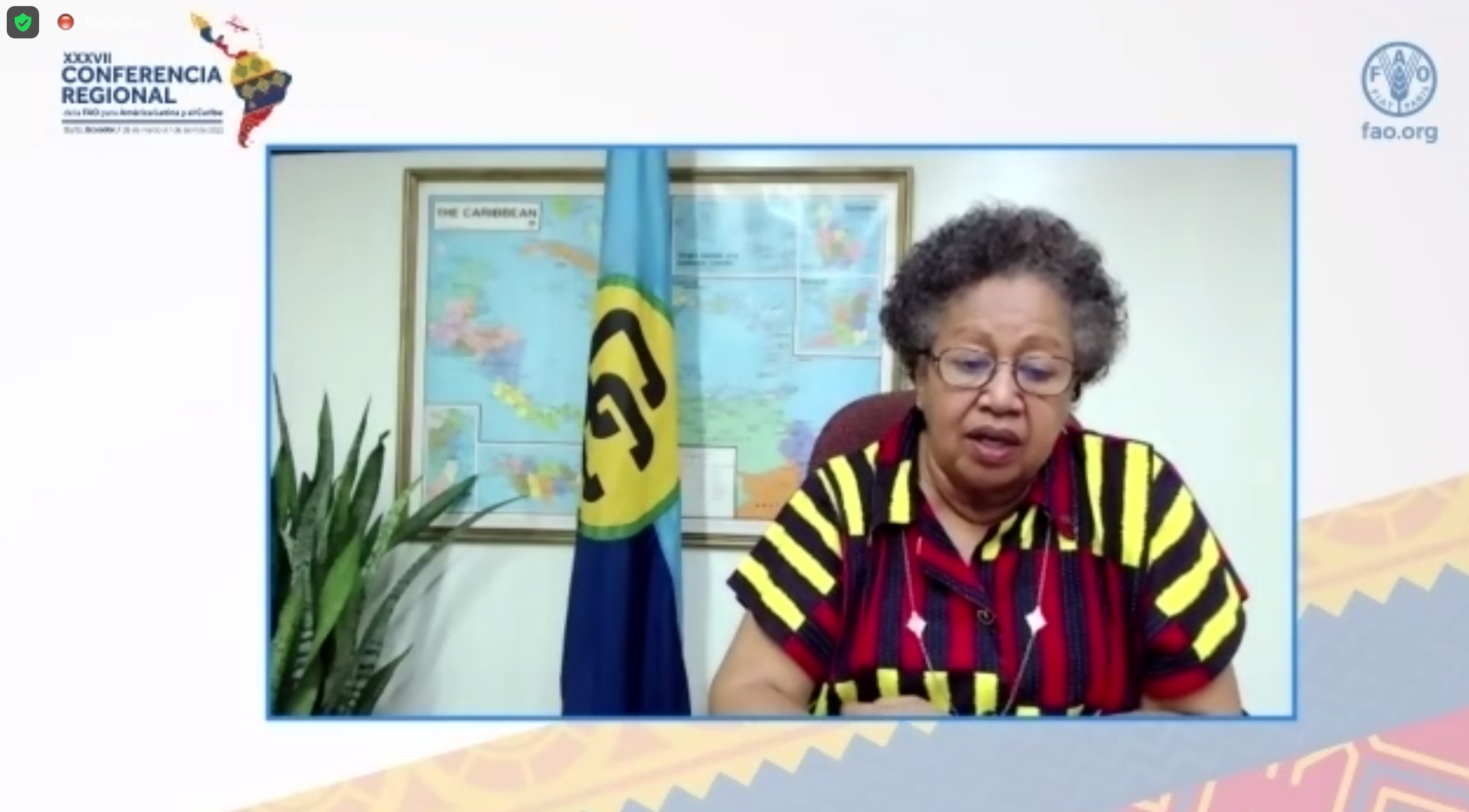
Remarks by CARICOM Secretary-General Dr Carla Barnett at the Meeting of Ministers of Agriculture of the Andean Community (CAN) and the Caribbean Community (CARICOM) being held during the Thirty-Seventh Session of the FAO Regional Conference for Latin America and the Caribbean
Distinguished Chair;Honourable Ministers;Delegates;Ladies and Gentlemen.