An experiment in Amazon conservation faces economic reality
TIPUTINI RIVER, Ecuador -- Waving away a cloud of gnats, biologist Phyllis “Lissy” Coley scours the Amazonian underbrush for inga shrubs, whose young leaves are loaded with powerful toxins and chemicals that might be useful in medical research.
Coley and her team from the University of Utah have spent almost two years in the Amazon of Guyana, Peru and Brazil researching the plant — but this patch of Ecuador was delivering surprises. In a single week, Coley’s team found 60 species of inga, 40 of which were unknown to them — and likely unknown to science. They also found a carnivorous caterpillar. While flesh-eating caterpillars exist in Asia, they’ve never been recorded in the New World.
The mysteries of this forest, which scientists like Coley are still discovering, could be at risk after this South American nation quietly began considering pulling the plug on one of the most innovative and ambitious conservation plans ever attempted.
You may also be interested in:
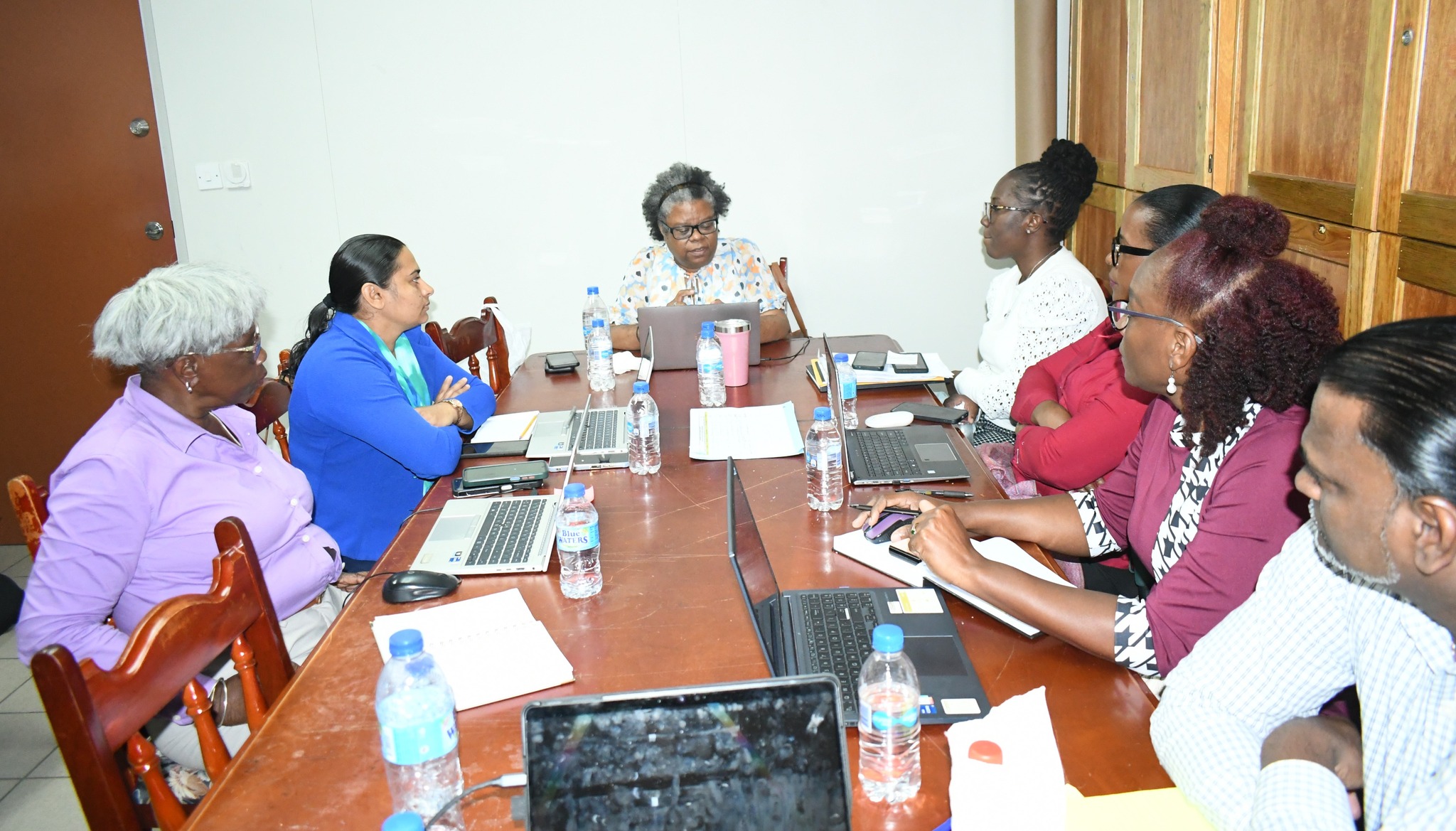
Stakeholders Engage in Consultations to Strengthen National Youth Policy
The Department of Youth Development and Sports, through its Youth Unit, has commenced a four-day series of half-day closed stakeholder consultations aimed at strengthening the development and imple