
Aid shortfalls jeopardize Haiti’s humanitarian programs
Apr 23, 2013
For the first time since four back-to-back storms and hurricanes battered Haiti five years ago, the U.N.’s lead feeding program and other agencies don’t have enough food to stockpile in strategic areas before a major storm hits. In some of the most remote corners of the country, people are dying needlessly of cholera because treatment centers have been abandoned, aid groups have disappeared and community health aides tasked with helping prevent the deadly waterborne-disease haven’t been paid in months. And in hundreds of post-earthquake camps, Haitians hoping to trade in their 3-year-old tarps for a roof over their heads soon could have their hopes dashed as international aid workers are laid off and money for rental subsidies dries up.
You may also be interested in:
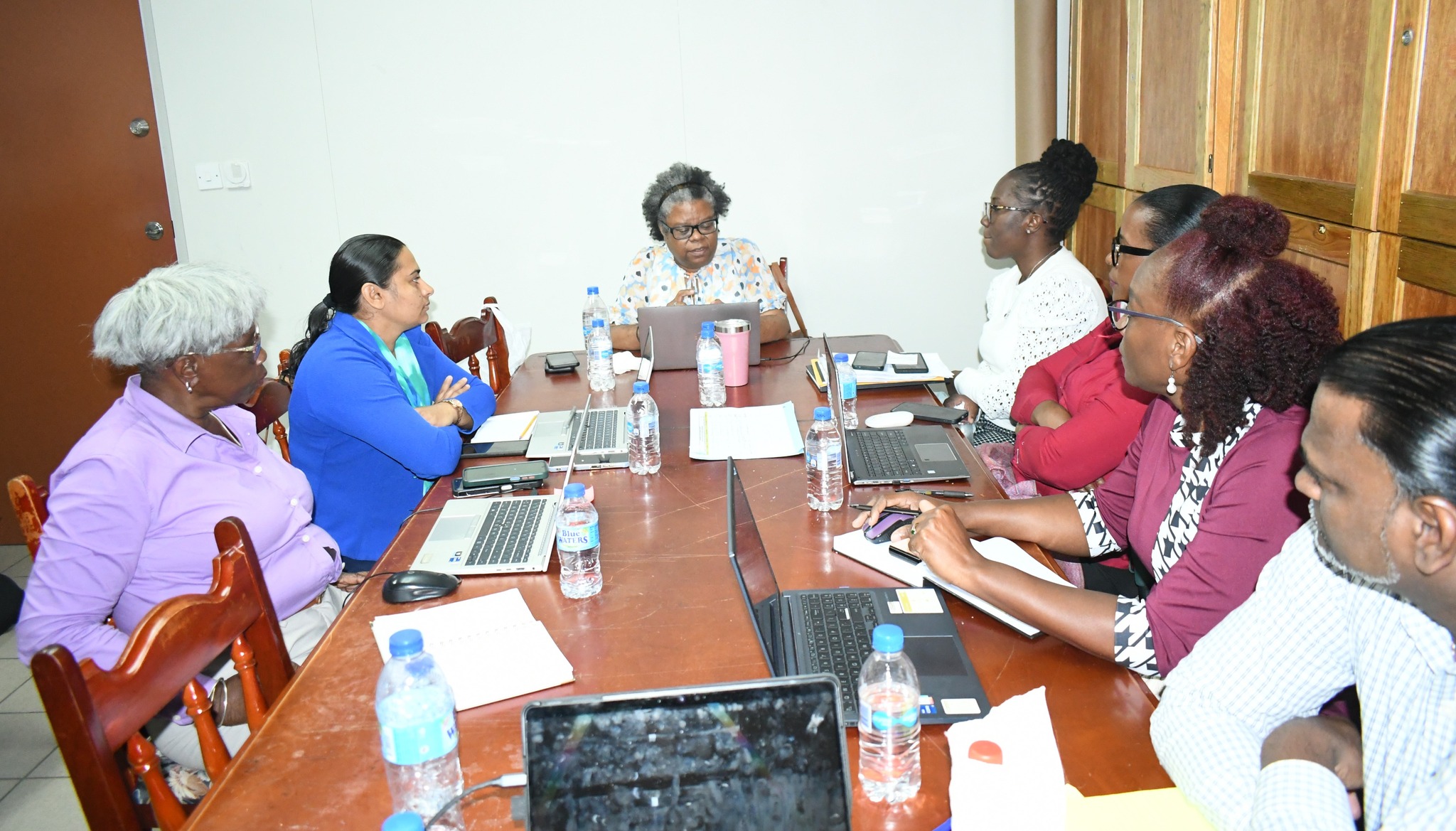
Stakeholders Engage in Consultations to Strengthen National Youth Policy
The Department of Youth Development and Sports, through its Youth Unit, has commenced a four-day series of half-day closed stakeholder consultations aimed at strengthening the development and...
caricom_admin
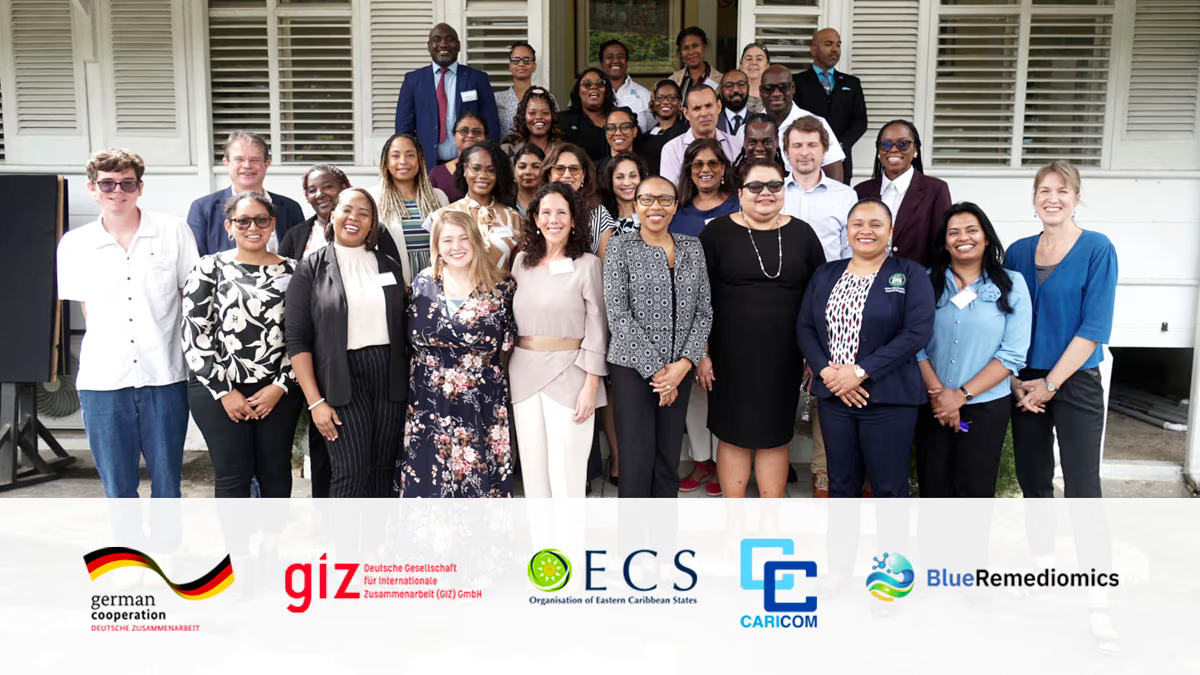
Regional Workshop Strengthens Caribbean Capacity on Genetic Resources
Regional policymakers, scientists, and biodiversity experts gathered from March 3-5, 2026, at The University of the West Indies (UWI), St.
caricom_admin
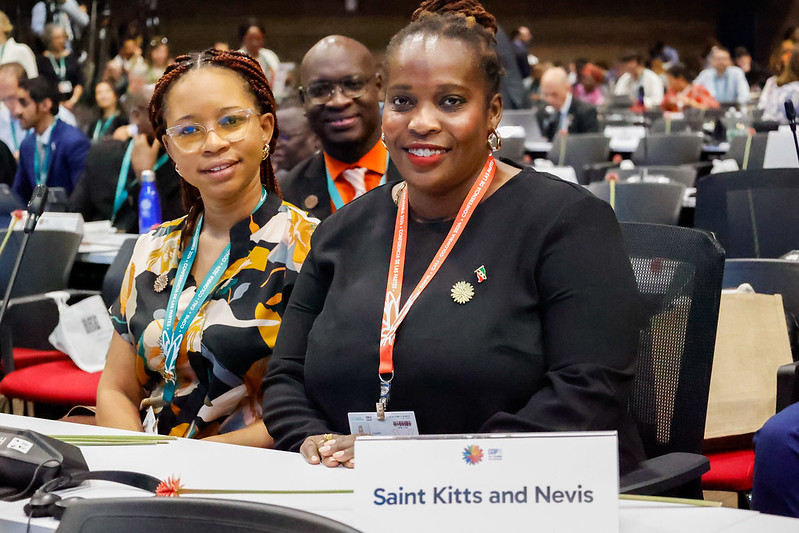
Statement by Hon. Dr. Joyelle Clarke, Minister of Sustainable Development, Environment, Climate Action and Constituency Empowerment of Saint Kitts and Nevis| High-Level Segment, 16th Meeting of the Conference of Parties of the UN Convention on Biological Diversity| Cali, Colombia| 30 October 2024
"The fight for biodiversity cannot be disentangled from the climate crisis. This is why our commitment to the Kunming-Montreal Biodiversity Framework is especially critical and why Saint Kitts
Anonymous