Agriculture, climate change, renewable energy to benefit as IDB carves out $13B for lending
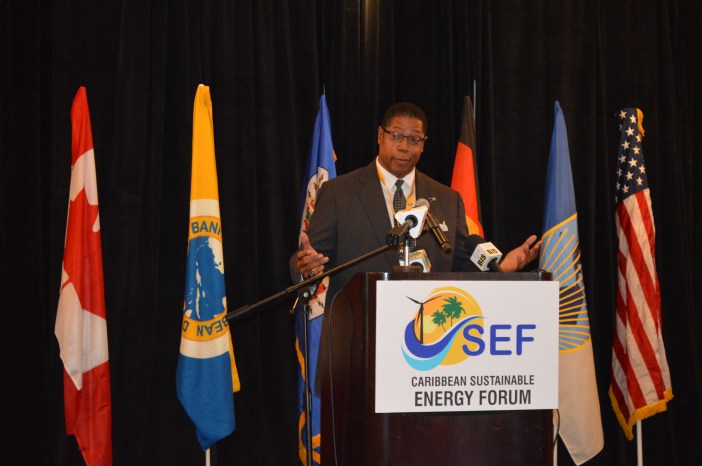
NASSAU, The Bahamas, Jan 23 2017 – The Inter-American Development Bank (IDB) said it will be lending US$13 billion over the coming year and a significant portion of that amount has been earmarked for agriculture, climate change and renewable energy projects.
Speaking here Monday night at the opening of the fifth Caribbean Sustainable Energy Forum (CSEF), Executive Director of the IDB Jerry Butler noted that the issue of energy and the issue of renewable energy have been of constant focus for the institution.
“Next year we are going to lend US$13 billion and of that amount we’ve carved out 30 percent of it for climate change, agriculture and renewable energy. In fact, 20 percent of that $13 billion in the Americas will be devoted to climate change and renewable energy,” Butler said.
“I think we are putting our money where our mouth is when it comes to us as a partner with CARICOM and us as a partner with the other entities that work with us.”
Highlighting the IDB’s commitment to the region, Butler noted that even though the Eastern Caribbean States are not members of the bank, through its lending to the Caribbean Development Bank (CDB), countries in the sub-region have not been left out.
“For example, a year and a half ago the more than $80 million that’s devoted to geothermal exploration, Grenada will be the first beneficiary in the Eastern Caribbean,” he said.
“All of these efforts of the IDB (are) really part of our focus on improving the socio-economic lot of citizens in the Americas.
“And our focus on the Caribbean is not stopping – whether it be smart financing programmes in Barbados, whether it be programmes associated with renewable energy and energy efficiency in Jamaica, or whether it be programmes in Guyana off-grid or on-grid – we try to do everything that we can to bring resources, technology, intelligence and at the same time best practices to everything that we do when it comes to the topic of renewable energy.”
Butler said the IDB believes that the sustainability, the competitiveness and the job-creation potential of the Caribbean can be unlocked “if there is a considered focus on weaning ourselves off the dependence on foreign fuels for generation” and focussing on producing its own indigenous type of energy.
The Bahamas native said what’s exceptional about his homeland versus other countries is its archipelago of 700 islands.
“We have islands like Abaco, Andros and Grand Bahama where if we harvested our pine, our expertise in biomass and our ability to generate energy for the next 56 years is totally possible just using what we have in the Bahamas,” Butler said.
You may also be interested in:
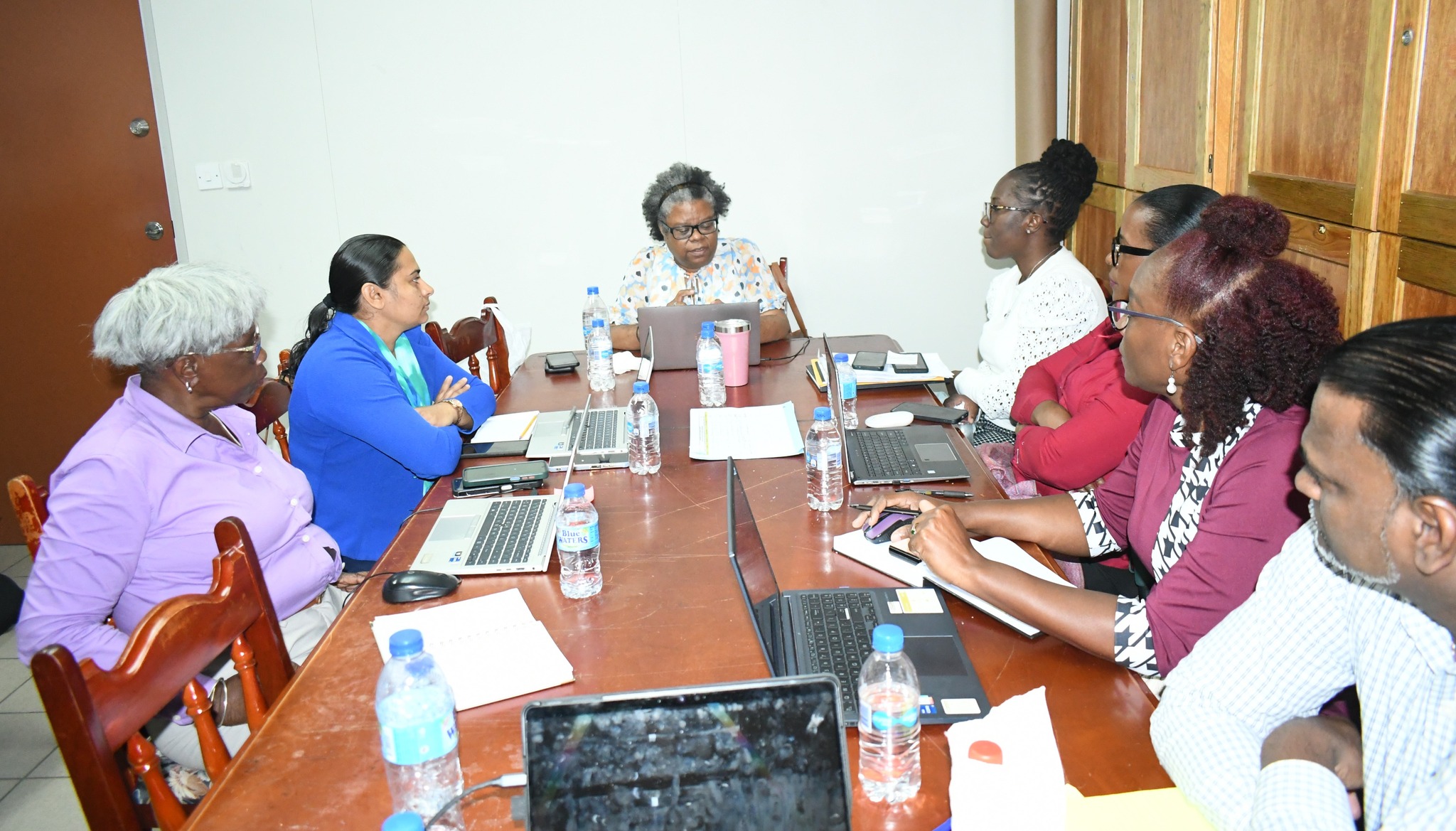
Stakeholders Engage in Consultations to Strengthen National Youth Policy
The Department of Youth Development and Sports, through its Youth Unit, has commenced a four-day series of half-day closed stakeholder consultations aimed at strengthening the development and...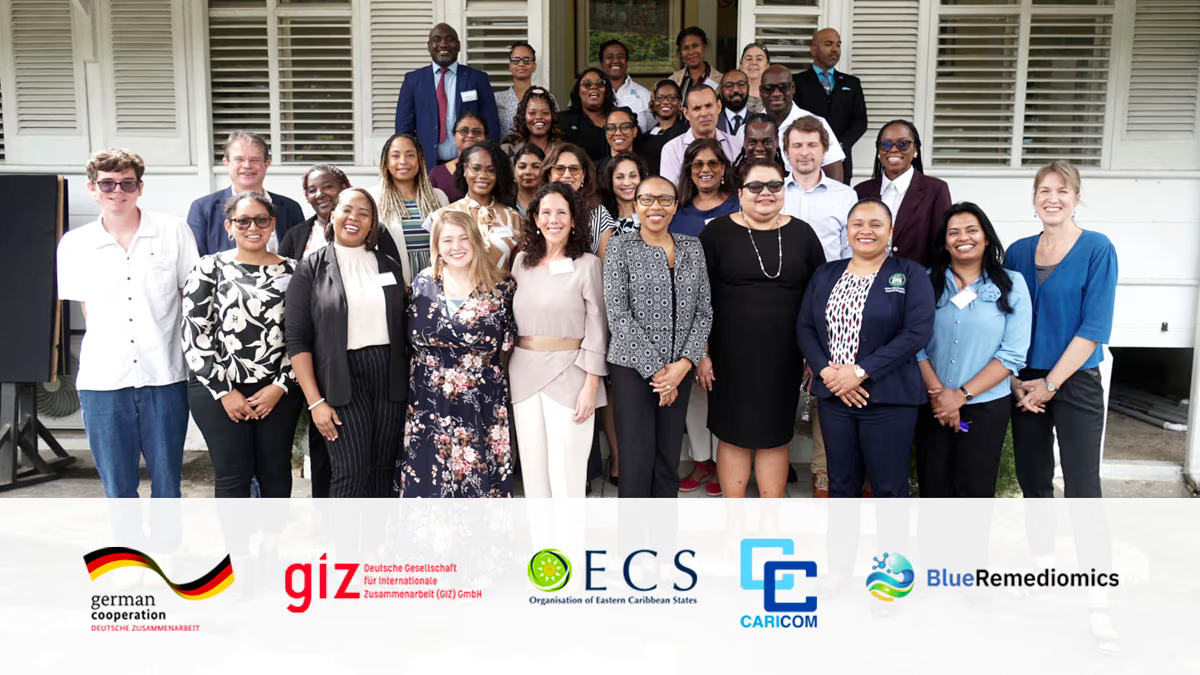
Regional Workshop Strengthens Caribbean Capacity on Genetic Resources
Regional policymakers, scientists, and biodiversity experts gathered from March 3-5, 2026, at The University of the West Indies (UWI), St.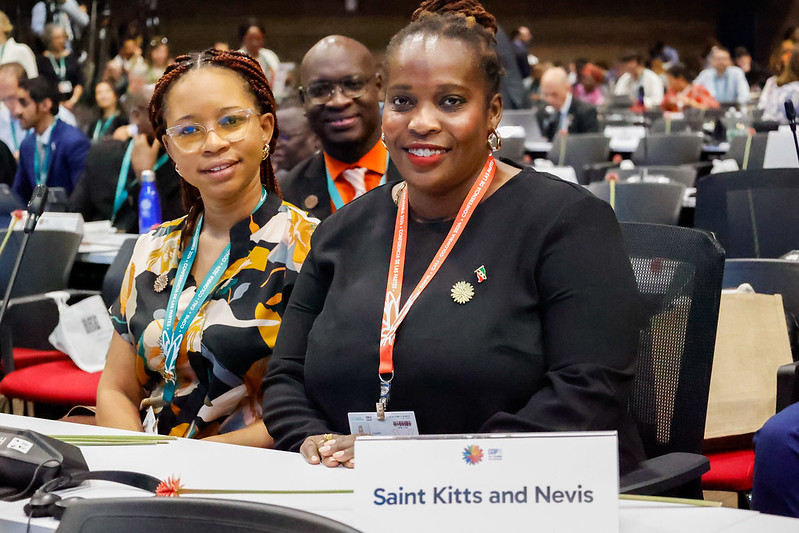
Statement by Hon. Dr. Joyelle Clarke, Minister of Sustainable Development, Environment, Climate Action and Constituency Empowerment of Saint Kitts and Nevis| High-Level Segment, 16th Meeting of the Conference of Parties of the UN Convention on Biological Diversity| Cali, Colombia| 30 October 2024
"The fight for biodiversity cannot be disentangled from the climate crisis. This is why our commitment to the Kunming-Montreal Biodiversity Framework is especially critical and why Saint KittsRelated Stories
CARICOM Ministers see COP28 as a test of the world’s commitment to the most vulnerable
MINISTERIAL STATEMENT COP28 is a milestone for the climate agenda.
Statement by Dr Carla N Barnett, Secretary-General of the Caribbean Community (CARICOM), following the 27th Conference of the Parties to the United Nations Framework Convention on Climate Change (COP27)
One week after the end of COP27, it is clear that the outcomes are mixed.