2014 a year of progress, challenges for PAHO
The Pan American Health Organisation (PAHO) says 2014 was marked by progress as well as significant challenges for public health in the Americas, including the Caribbean.
In its end-of-year report, PAHO said the region's countries advanced toward goals, including universal health coverage, expanded access to vaccination, and ensuring that fewer babies are born with HIV.
PAHO said the region also confronted major new challenges, including the arrival and spread of the chikungunya virus and the need to prepare for the possible imported cases of Ebola.
In highlighting major public health achievements and challenges on which it collaborated with member countries, PAHO said some 30 per cent of the population of Latin America and the Caribbean lacks access to health care for economic reasons.
In September, regional health authorities gathered at PAHO headquarters here and agreed on a strategy to advance the goal of universal access to health and universal health coverage.
"We have agreed on a roadmap to progressively ensure that all people have access to the health services they need, when they need them, without fear of financial hardship," said PAHO's Director Dr Carissa Etienne.
A special series from the medical journal The Lancet, published in October, highlighted progress in the Americas toward the goal of universal coverage.
PAHO noted the mosquito-borne chikungunya virus, imported from Africa, produced its first locally-transmitted case in the Americas in December 2013, and infected more than one million people throughout the Americas this year.
PAHO said it has helped member countries cope with the disease through support for surveillance, detecting and managing cases, and preparing and organising health services, while also encouraging the elimination of mosquito breeding sites to help reduce transmission.
In August, the World Health Organisation (WHO) declared West Africa's Ebola outbreak a "public health event of international concern".
Since then, PAHO said it has been working with member countries in the Americas to ensure they are able to respond rapidly and prevent the spread of any importation of the disease.
"Preventing local transmission is the main goal," said Marcos Espinal, director of PAHO's Department of Communicable Diseases and Health Analysis.
Dengue is another major public health concern for the region, with PAHO noting that the case fatality rate in the Americas declined more than 28 per cent in the last three years.
A major contributing factor was better clinical management of patients following the dissemination of new guidelines in 2010, PAHO said.
The health agency estimates that while some 1,500 dengue deaths were prevented last year as a result of better care, the number of cases increased fivefold in the Americas between 2003 and 2013.
This year, PAHO noted that the World Health Day campaign focused on the threat of vector-borne diseases, or diseases transmitted by small insects, which include dengue.
A 2014 PAHO report showed that the number of people with HIV in Latin America and the Caribbean who receive antiretroviral therapy increased nearly fourfold between 2003 and 2013.
Another PAHO and United Nations Children's Fund (UNICEF) report showed the number of babies born with HIV declined 78 per cent between 2001 and 2013, thanks to expanded access to HIV testing, counselling and treatment.
Also this year, PAHO said member countries and partners set new targets, known as 90-90-90, for controlling the epidemic."
They called for increasing to 90 per cent by the year 2020, the proportion of people with HIV who know their status, the proportion of people who receive antiretroviral treatment, and the proportion of people under treatment whose viral load is undetectable.
In the lead-up to the 2014 FIFA World Cup in Brazil, PAHO launched Vaccination Week in the Americas, with an appeal to the public to get vaccinated against measles and rubella, to help prevent the reintroduction of these diseases in the Americas.
PAHO said it also supported cholera vaccination in Haiti and Brazil's introduction of HPV vaccine, which is now accessible to 80 per cent of adolescent girls in the Americas.
Noting that suicide is a very serious concern, PAHO said nearly 65,000 people take their own lives every year in the Americas.
To reduce these deaths, "we need to detect early and treat mental disorders like depression and alcohol abuse," Dr Etienne said.
A new PAHO study also found that alcohol is the major contributing factor to at least 80,000 deaths annually in the Americas.
In most of the 16 countries studied, liver disease was the leading direct cause of alcohol-related deaths, followed by neuropsychiatric disorders.
PAHO said many such deaths can be prevented through policies and interventions that reduce alcohol consumption, including restrictions on availability, increased prices through taxation, and controls on marketing and advertising.
PAHO added several countries of the region have implemented strong new tobacco control measures, such as increasing prices and taxes - a measure which helps encourage consumers to quit smoking and prevents others from becoming addicted.
A new United Nations report stated that maternal mortality decline an average 40 per cent between 1990 and 2013 in 11 Latin American and Caribbean countries, however PAHO said no country in the region is on track to reaching the Millennium Development Goal of reducing maternal mortality by 75 per cent by 2015.
PAHO said it is working to ensure the availability of safe blood for transfusion during delivery, "so that no woman dies as a result haemorrhage, one of the leading preventable causes of maternal death".
See also:
PAHO year in review: 2014 public health highlights in the Americas
You may also be interested in:
Stakeholders Engage in Consultations to Strengthen National Youth Policy
The Department of Youth Development and Sports, through its Youth Unit, has commenced a four-day series of half-day closed stakeholder consultations aimed at strengthening the development and...
Regional Workshop Strengthens Caribbean Capacity on Genetic Resources
Regional policymakers, scientists, and biodiversity experts gathered from March 3-5, 2026, at The University of the West Indies (UWI), St.
Statement by Hon. Dr. Joyelle Clarke, Minister of Sustainable Development, Environment, Climate Action and Constituency Empowerment of Saint Kitts and Nevis| High-Level Segment, 16th Meeting of the Conference of Parties of the UN Convention on Biological Diversity| Cali, Colombia| 30 October 2024
"The fight for biodiversity cannot be disentangled from the climate crisis. This is why our commitment to the Kunming-Montreal Biodiversity Framework is especially critical and why Saint KittsRelated Stories

EU/PAHO/CARIFORUM Climate & Health Project Builds Capacity with Health Co-Benefits Training
Bridgetown, Barbados, 7 June 2021 (PAHO/WHO) - During a recently held European Union (EU), Pan American Health Organization (PAHO), [1]CARIFORUM Health Co-Benefits webinar, representatives from 16.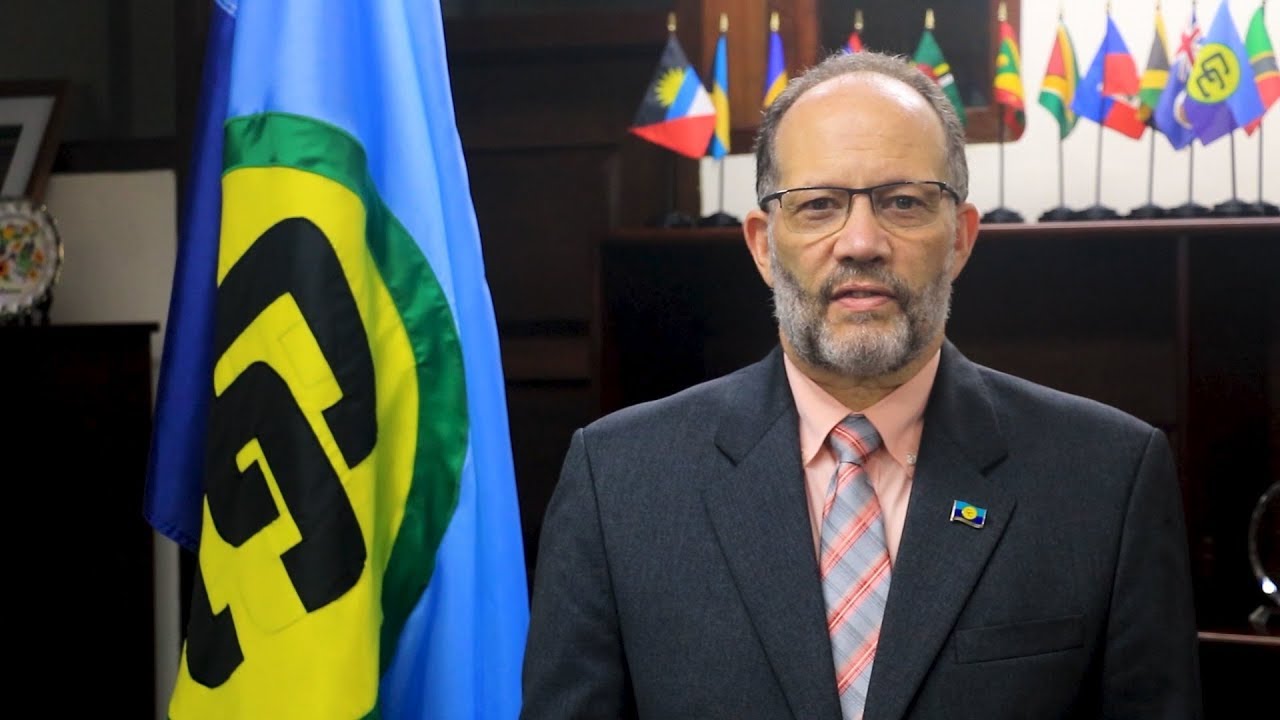
CARICOM SG's Address - Launch of EU/CARIFORUM Climate Change and Health Project in the Caribbean
ADDRESS BY THE SECRETARY-GENERAL AMBASSADOR IRWIN LAROCQUE on the occasion of the LAUNCH OF EU/CARIFORUM CLIMATE CHANGE AND HEALTH PROJECT IN THE CARIBBEAN “Impact of Climate Change and Health on..